Let Us Know How We Can Help. We Are Your Dedicated Solutions Provider.

How to Source Quality PCB Components for Your Projects?
Sourcing quality PCB components is essential for successful electronic projects. In a fast-evolving industry, designers face challenges in finding reliable suppliers. According to a report from Electronics Weekly, 40% of engineers cite sourcing difficulties as a major hurdle. This statistic highlights the growing need for effective methods in selecting high-quality components.
Expert insights shed light on this issue. Dr. Alice Thompson, a leading authority in PCB technology, emphasizes, "The quality of PCB components directly impacts the performance and longevity of your devices." Her words resonate with engineers who understand the significance of component reliability.
Navigating the complex landscape of PCB components can be daunting. Fragmented supply chains can lead to inconsistencies and delays. Engineers must identify trustworthy sources to ensure project success. Understanding market trends and supplier reputations is critical. In a world where quality cannot be compromised, these factors demand careful consideration.
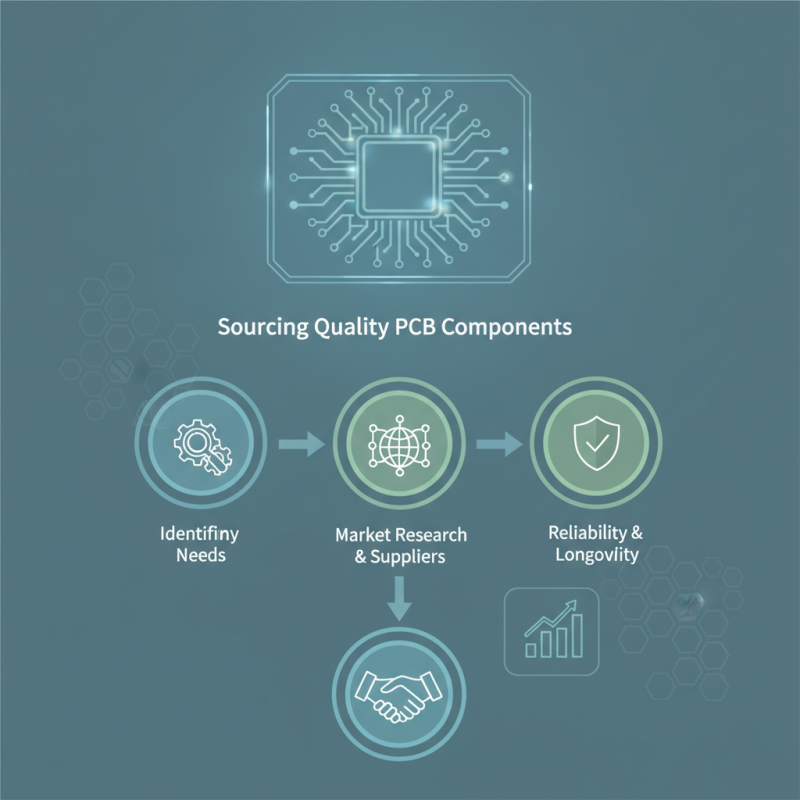
Table of Contents
[Hide]
Understanding the Importance of Quality PCB Components
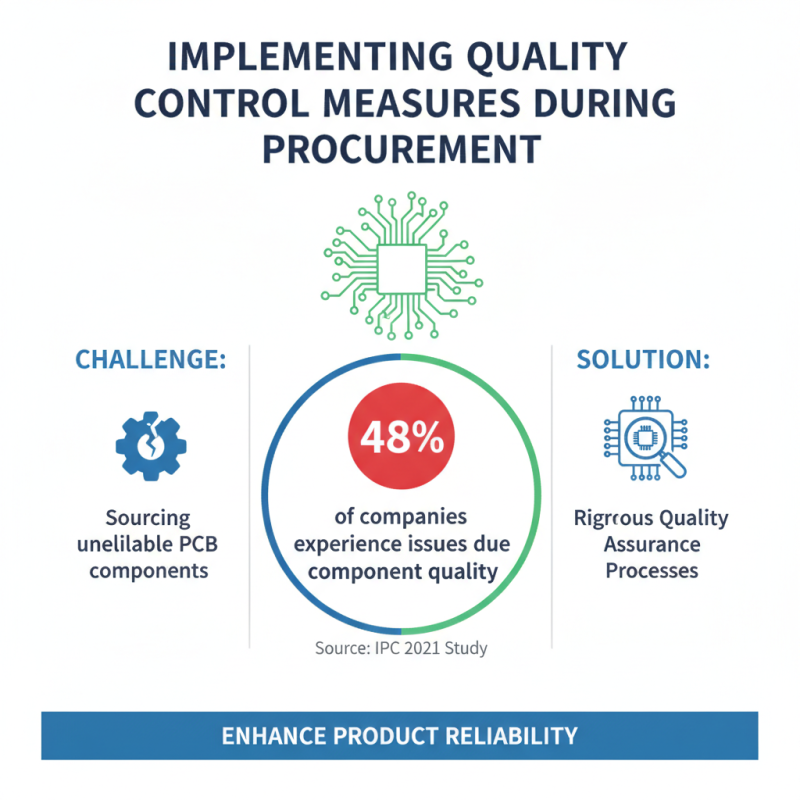
When designing printed circuit boards (PCBs), the quality of components is crucial. High-quality PCB components ensure reliability, efficiency, and longevity. According to a 2022 report by IPC, 30% of electronic product failures was directly linked to substandard components. These failures can lead to significant financial losses and reputational damage. Many engineers overlook the importance of component quality, focusing instead on cost and availability.
Supply chain disruptions can affect component quality. In 2021, 70% of manufacturers faced issues due to sourcing challenges, underscoring the need for reliable suppliers. Engineers should seek suppliers that prioritize quality assurance. This includes testing components and providing certification documents. The Institute of Printed Circuits (IPC) also emphasizes that counterfeit components are a growing threat, accounting for 10% of the global component market. Such components can lead to serious functional failures in electronic devices.
A thorough understanding of component specifications is vital. This involves examining the materials used, sourcing practices, and testing methods. Regular audits of suppliers' quality management systems can help identify potential risks. While lower prices can be tempting, they may mask hidden costs later. An investment in quality components is an investment in the project's success.
How to Source Quality PCB Components for Your Projects? - Understanding the Importance of Quality PCB Components
| Component Type | Key Features | Quality Indicators | Common Challenges | Sourcing Recommendations |
|---|---|---|---|---|
| Resistors | Tolerance, Temperature Coefficient | Certification, Manufacturer Reputation | Supply Chain Issues, Counterfeits | Reputable Distributors, Quality Certifications |
| Capacitors | Voltage Rating, ESR | Testing Standards, Product Reviews | Voltage Derating, Ageing Effects | Trustworthy Suppliers, Technical Documentation |
| ICs (Integrated Circuits) | Package Type, Functionality | Manufacturer Datasheets, Endorsements | Obsolescence, Compatibility Issues | Authorized Distributors, Online Marketplaces |
| Connectors | Current Rating, Size | Industry Standards, Reviews | Mechanical Stability, Corrosion | Specialty Suppliers, Bulk Buying |
| PCB Fabrication Materials | Layer Count, Material Type | Certifications, Audit Results | Quality Control, Lead Times | Established Manufacturers, Peer Recommendations |
Related Posts
-
2026 How to Choose Circuit Board Components for Your Project?
-

2026 Best Electronic Board Assembly Solutions for Efficient Manufacturing?
-
How to Choose the Right Cable Harness for Your 2025 Project Needs
-

How to Choose the Right Cable Assembly for Your Needs?
-
Why Choose PCB Printed Circuit Board for Your Next Project?
-
How to Design a Printed Circuit Board for Your Electronics Project?