2026 Best Electronic Board Assembly Solutions for Efficient Manufacturing?
In the fast-evolving world of manufacturing, electronic board assembly stands at the forefront. The efficiency of this process directly influences the reliability of electronic devices we rely on daily. As we look towards 2026, manufacturers must explore innovative solutions to optimize their electronic board assembly methods. The industry is witnessing significant advancements that promise to enhance production speed, reduce errors, and improve overall quality.
Integrating automation and AI in electronic board assembly can revolutionize workflows. However, not all solutions are foolproof. Manufacturers face challenges in selecting the right tools for their specific needs. It's crucial to weigh the pros and cons of each technology available in the market. Engaging with industry experts can provide valuable insights, but businesses must remain vigilant about the implementation process.
Many manufacturers grapple with adjusting their existing systems to accommodate new technologies. Outsourcing also remains a tempting option, though it comes with its own set of risks. Rethinking strategies for electronic board assembly requires a deep understanding of both the technology and the production landscape. This ongoing journey to refine and enhance assembly processes will be central to achieving manufacturing excellence in the future.
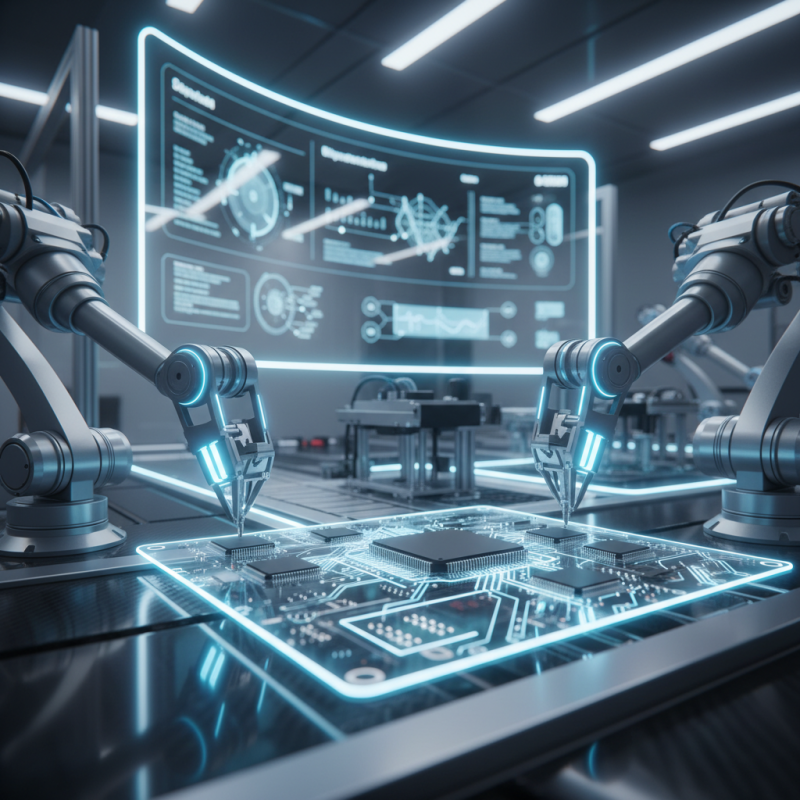
Overview of Electronic Board Assembly in Modern Manufacturing
The landscape of electronic board assembly (EBA) is rapidly evolving. Modern manufacturing relies on advanced technologies to improve efficiency and reduce costs. According to a recent IPC report, over 80% of manufacturers report increased production speed due to automation. This shift allows for more precise component placement, enhancing overall product quality.
Challenges remain in adopting these advanced systems. Many manufacturers struggle to integrate new technologies into existing workflows. A study from the IEEE indicates that 40% of companies face significant hurdles, including employee training and equipment compatibility. These obstacles hinder the speed at which companies can implement innovative solutions.
Environmental initiatives also play a role in EBA. Sustainable practices are increasingly crucial in manufacturing. The European Commission highlights that 30% of electronic waste (e-waste) results from improper EBA processes. Therefore, focusing on recycling and proper disposal methods is essential. Striking a balance between innovation and sustainability will shape the future of electronic board assembly.
2026 Electronic Board Assembly Efficiency Analysis
This chart illustrates the efficiency of different electronic board assembly methods in terms of assembly time measured in hours for every 100 boards produced. As seen, fully automated assembly significantly reduces the time compared to manual and semi-automated methods, showcasing advancements in modern manufacturing processes.
Key Trends Driving Efficiency in Electronic Board Assembly Solutions
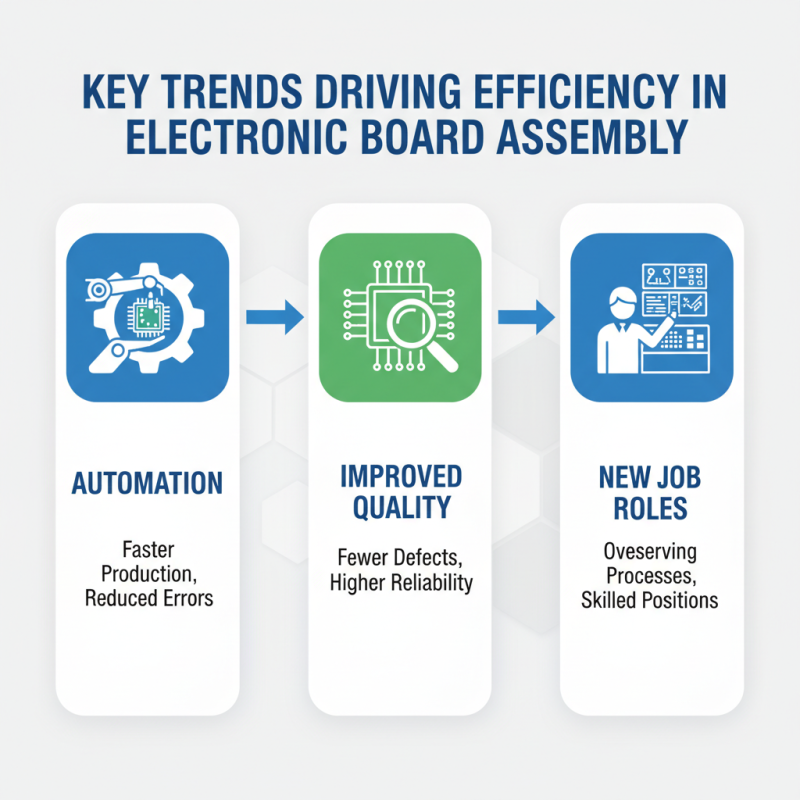
The landscape of electronic board assembly is evolving rapidly. Key trends are significantly enhancing manufacturing efficiency. Automation stands at the forefront, enabling faster production rates. Robots perform repetitive tasks with precision, reducing human error. As a result, overall quality improves, and defects decrease. This reliance on automation raises questions about job displacement. However, it often leads to the creation of new roles focused on overseeing automated processes.
Another trend is the integration of data analytics. Manufacturers collect vast amounts of data during the assembly process. Analyzing this data leads to valuable insights. These insights help in identifying bottlenecks and optimizing workflows. Yet, the challenge lies in effectively interpreting this data. Many companies struggle to leverage analytics fully due to a lack of expertise.
Sustainability also plays a critical role in shaping assembly solutions. Eco-friendly practices are becoming essential for modern manufacturers. This includes using materials that are both efficient and recyclable. However, transitioning to sustainable methods can be costly and complex. Companies often need to balance short-term profits with long-term environmental goals. This balance requires careful consideration and strategic planning.
Essential Technologies for Enhanced Electronic Board Assembly Processes
As the electronics manufacturing landscape evolves, the demand for efficient Electronic Board Assembly (EBA) solutions increases. Advancements in technologies such as automation, robotics, and artificial intelligence significantly enhance the EBA processes. According to a recent industry report, automating assembly lines can reduce labor costs by 30% while increasing production speed by up to 50%. This shift not only addresses the labor shortages but also improves the precision of assembly tasks.
Tips: Focus on integrating flexible robotics into your assembly line. This increases adaptability to changing production needs. Also, consider investing in smart sensors to monitor the quality in real-time. It ensures consistent output and reduces waste.
Moreover, the rise of the Internet of Things (IoT) brings new opportunities to enhance EBA. IoT-enabled devices allow for data collection and analysis throughout the manufacturing process. Studies show that companies utilizing such technology can identify process inefficiencies up to 25% faster. However, there are challenges such as ensuring data security and integrating legacy systems. These demand careful planning and strategic investments.
Tips: Regularly update your cybersecurity measures. Employee training is crucial to navigate new technologies effectively. It fosters a culture of continuous improvement and innovation.
Evaluating Cost-Effectiveness in Electronic Board Assembly Methods
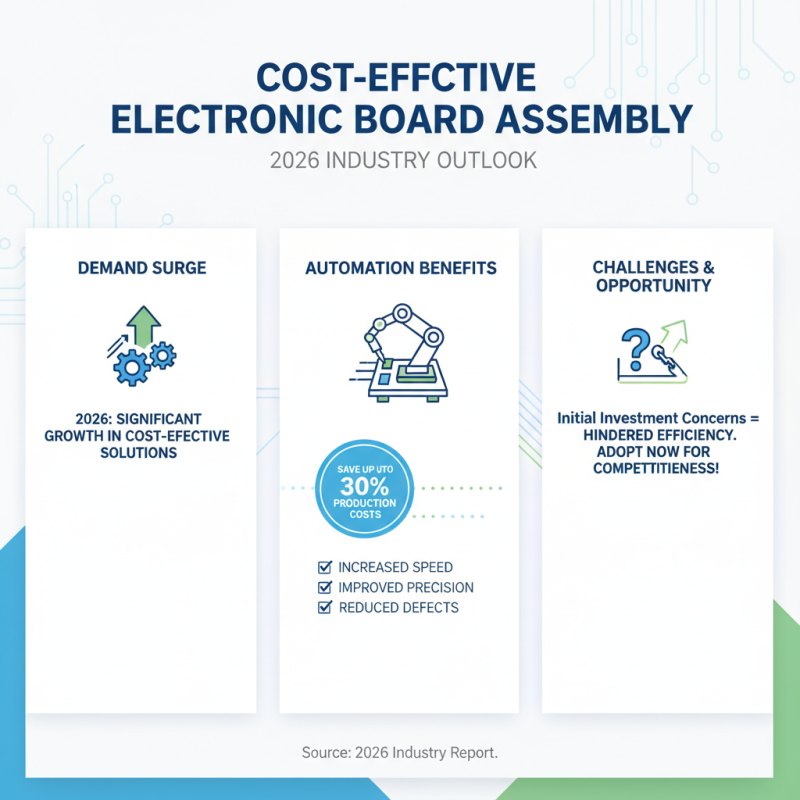
In 2026, the demand for cost-effective electronic board assembly solutions is projected to grow significantly. A recent industry report indicates that businesses can save up to 30% in production costs by adopting automated assembly techniques. Automation not only enhances speed but also improves precision, reducing the likelihood of defects. Despite these benefits, some manufacturers resist automation due to initial investment concerns. This hesitation can hinder overall efficiency and competitiveness in the rapidly evolving electronics market.
Moreover, choosing the right assembly method is crucial. Traditional manual assembly can be labor-intensive, leading to longer lead times. Meanwhile, surface mount technology (SMT) offers a more compact and efficient alternative. Reports suggest that companies using SMT can achieve up to 20% higher efficiency in their production lines. However, transitioning to SMT requires expertise and a well-planned approach, which can be a barrier for smaller firms. Investing in employee training and skill development becomes essential to keep pace with technological advancements.
Ultimately, businesses need to weigh the upfront costs of modernization against potential long-term savings. While transitioning to advanced assembly techniques may seem daunting, the potential for increased productivity and lower operational costs cannot be ignored. Balancing these factors will be vital for manufacturers aiming to thrive in a competitive landscape.
Future Innovations in Electronic Board Assembly for Sustainable Practices
As the electronics industry evolves, sustainable practices are becoming essential. Innovations in electronic board assembly aim to minimize environmental impact. Research shows that by 2025, nearly 80% of manufacturers plan to adopt green technologies. This switch is vital for compliance with rising regulations and consumer demand for eco-friendly products.
An essential shift lies in materials used for assembly. Biodegradable solder and recycled substrates are becoming commonplace. These alternatives significantly reduce landfill waste and energy consumption. A report from the Green Electronics Council notes that eco-friendly production can lower emissions by up to 30%. This highlights a path toward both efficiency and sustainability in manufacturing.
The adoption of automation further enhances these efforts. Robotics streamline assembly processes, improving precision and speed. Studies suggest that optimized automation can lead to a 15% reduction in resource use. However, challenges remain. Integrating new technologies often requires substantial investment and training. Companies must navigate these obstacles while aiming for greener futures in electronic board assembly.
2026 Best Electronic Board Assembly Solutions for Efficient Manufacturing
| Technology |
Efficiency |
Sustainability |
Cost-Effectiveness |
Supply Chain Impact |
| Automated Pick and Place |
High |
Moderate |
High |
Improved |
| 3D Printing |
Moderate |
High |
Moderate |
Reduced |
| Robotic Assembly |
Very High |
Moderate |
High |
Significant |
| Surface Mount Technology (SMT) |
High |
Low |
Very High |
Improved |
| Flexible Circuit Boards |
Moderate |
High |
Moderate |
Reduced |