What is a Printed PCB Board and How to Source Them?
A printed PCB board, or printed circuit board, is a crucial component in modern electronics. These boards provide the essential pathway for electrical connections between electronic components. Understanding what a printed PCB board is and how to source them effectively can benefit manufacturers and hobbyists alike.
Sourcing printed PCB boards involves various considerations. Quality, cost, and supplier reliability are paramount. Not all suppliers meet industry standards, which can lead to production delays or increased costs. Exploring multiple options and conducting thorough research can ensure a reliable source. Moreover, examining samples before bulk orders helps to identify potential issues early on.
The process of obtaining a printed PCB board is not always straightforward. While online suppliers offer convenience, their quality may vary. Local manufacturers could provide quicker turnarounds but might come at a higher price. Balancing these factors requires attention and reflection. Ensuring that you select the right printed PCB board for your needs ultimately contributes to the success of your electronic projects.
What is a Printed Circuit Board (PCB) and Its Importance in Electronics?
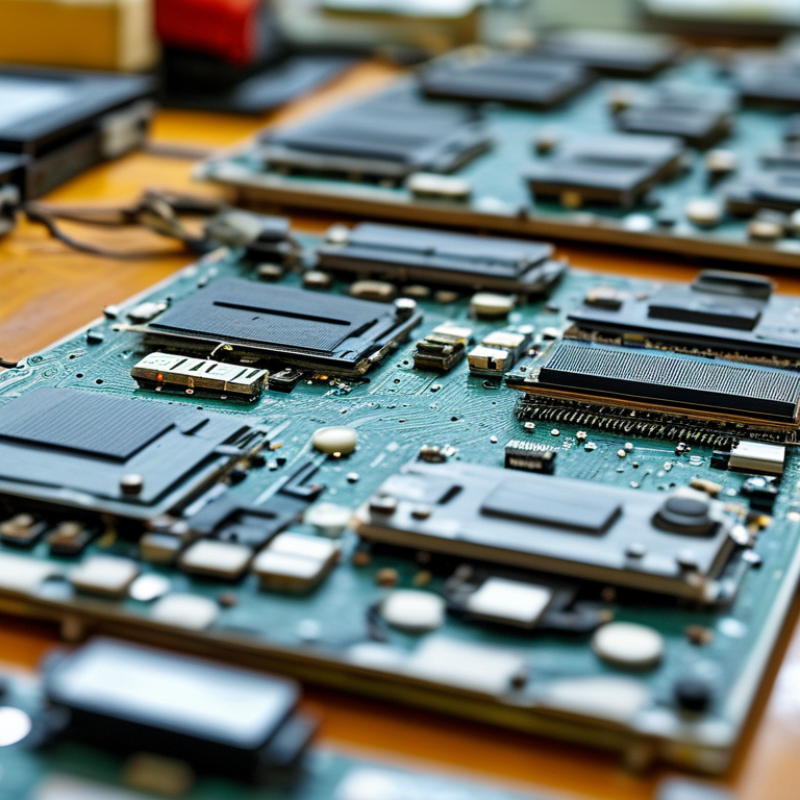
A printed circuit board (PCB) is a crucial component in modern electronics. It serves as the backbone for electronic devices, connecting various components like resistors, capacitors, and microprocessors. These boards are made from non-conductive materials, typically laminated with conductive pathways. This allows electric signals to flow efficiently, enabling devices to function correctly.
One of the main advantages of PCBs is their ability to reduce clutter and improve reliability in electronic circuits. By integrating multiple components into a single board, manufacturers can save space and minimize potential failures. However, sourcing quality PCBs can be a challenge. There are many factors to consider, including material quality and supplier reliability. It's essential to research and choose a trusted source to avoid issues that could arise from subpar components.
Not every PCB will meet the specific needs of a project. Designers must evaluate factors like the required durability, thermal management, and layer count. Mistakes in these areas can lead to malfunctioning devices or increased costs. Learning from past sourcing experiences can provide valuable insights for future projects, ensuring better outcomes in subsequent designs.
Key Components and Manufacturing Process of Printed PCBs
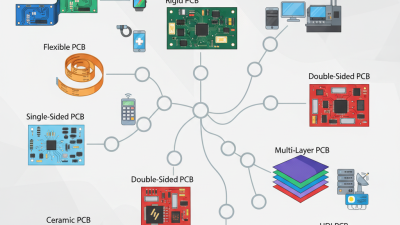
Printed circuit boards (PCBs) are essential components in modern electronics. Understanding their key components and the manufacturing process is vital for sourcing quality PCBs. A typical PCB consists of a substrate, conductive pathways, and components like resistors and capacitors. The substrate provides structural support, while copper traces form connections between various parts. Complex designs may require multi-layer boards to accommodate more components.
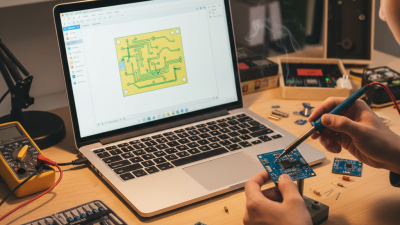
Manufacturing PCBs involves several steps. It starts with designing the layout using specialized software. Next, a photoresist process transfers the design onto the copper layer. The boards are then etched to remove excess copper, leaving behind the desired trace pattern. Drilling holes for components follows, which requires precision. Finally, the boards undergo surface finishing and testing for quality assurance.
Consider factors like design complexity and material choices when sourcing PCBs. These elements significantly influence costs and lead times. Communication with manufacturers can clarify capabilities. It's essential to reflect on your specific needs. Ensuring that your design aligns with the manufacturer's technology is crucial. When exploring options, don't hesitate to seek feedback or references to gauge reliability.
What is a Printed PCB Board and How to Source Them?
| Component |
Description |
Material |
Manufacturing Process |
| Substrate |
The base material that supports electronic components |
FR-4, CEM-1 |
Lamination |
| Conductive Layer |
Layer for electrical conduction between components |
Copper |
Etching |
| Solder Mask |
Protects the copper layer and prevents solder bridges |
Liquid photoimageable epoxy |
Coating |
| Silkscreen |
Printed labels and markings on PCBs |
Epoxy ink |
Screen printing |
| Plating |
Electroplating of holes and surfaces |
Gold, Nickel |
Electroplating |
Global Market Trends: PCB Production and Sourcing Statistics
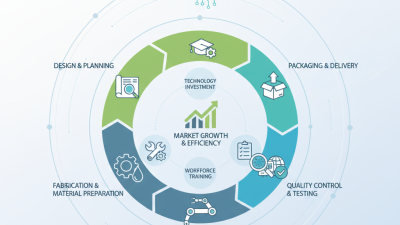
The global market for printed circuit board (PCB) production has seen significant evolution. In recent years, there has been a marked increase in demand for PCBs, driven by the surge in electronic device usage. As technologies advance, manufacturers face challenges in keeping up with market needs. This reality reflects the complexity of sourcing PCBs efficiently.
Statistics indicate that Asia leads the world in PCB production, with significant contributions from emerging markets. Yet, challenges like rising material costs and supply chain disruptions are prevalent. Many companies are reassessing their sourcing strategies. They are considering alternative suppliers and materials to mitigate these issues. The trend points toward a more localized production approach to enhance reliability.
Sourcing PCBs requires thorough research. Understanding a manufacturer’s capabilities is crucial. Companies often overlook the importance of quality certifications, which can impact final product performance. Transparency in the supply chain is also vital. Engaging with suppliers who provide clear communication can prevent future misunderstandings. Reflection on these factors is essential for navigating the competitive landscape of PCB sourcing.
How to Select a Reliable PCB Manufacturer: Key Considerations
When selecting a reliable PCB manufacturer, several key considerations come into play. Experience is crucial. A manufacturer with a long track record often indicates reliability. Look for companies that have been in the industry for many years. They understand the intricacies of PCB production and can foresee potential challenges. Research their past projects to gauge their expertise. This step will help you avoid manufacturers with limited knowledge.
Quality assurance is another essential factor. Ask about their manufacturing processes. A reliable PCB manufacturer should follow industry standards and engage in rigorous testing. Inquire about their certifications. This shows commitment to quality. Another aspect to consider is communication. Timely and clear communication is a hallmark of a trustworthy manufacturer. If responses are delayed or unclear during initial conversations, it may be a red flag.
Pricing should never be the sole focus. Low costs can lead to poor quality. Focus on finding a balance between pricing and quality. Compare multiple bids but ensure you understand what each quote includes. A comprehensive quote will outline materials, design considerations, and lead times. Some manufacturers may cut corners to offer lower prices, which can reflect in the final product. Always question what you don't understand to make informed decisions.
Best Practices for Sourcing High-Quality Printed PCBs Efficiently
Sourcing high-quality printed circuit boards (PCBs) requires careful attention to detail and strategic planning. The global PCB market was valued at $61.43 billion in 2020, and it's projected to reach over $80 billion by 2027, according to industry analysts. Such growth emphasizes the need for reliable suppliers who can meet diverse requirements.
When sourcing, it’s vital to evaluate manufacturer certifications and capabilities. Look for suppliers with ISO 9001 or IPC-A-600 certifications. These indicate adherence to high standards. A study by IPC shows that nearly 40% of PCB defects result from poor manufacturing practices. Thus, investing time in supplier vetting can save costs down the line.
Communication is also critical. Establish clear specifications regarding materials, design, and testing procedures. Many companies fail to clarify their needs, leading to misunderstandings. Feedback shows that 30% of delays in production stem from inadequate communication. Fostering strong relationships with suppliers can mitigate these risks and improve efficiency.