Let Us Know How We Can Help. We Are Your Dedicated Solutions Provider.

The field of printed circuit board manufacturing is evolving rapidly. With advancements in materials and technologies, manufacturers must adapt to stay competitive. Innovations are reshaping design and production. High-speed designs and miniaturization are becoming increasingly common. However, these changes bring challenges.
Manufacturers face pressures to reduce costs while maintaining quality. Balancing these aspects requires deep expertise and strategic planning. Additionally, there's a growing emphasis on sustainability. Eco-friendly materials and processes are gaining traction in the industry.
As we look ahead to 2026, staying informed about the latest trends is crucial. Companies must embrace new technologies and practices. This approach will help them thrive in the complex landscape of printed circuit board manufacturing. The journey ahead may be challenging, but it's also filled with opportunities for those willing to evolve.
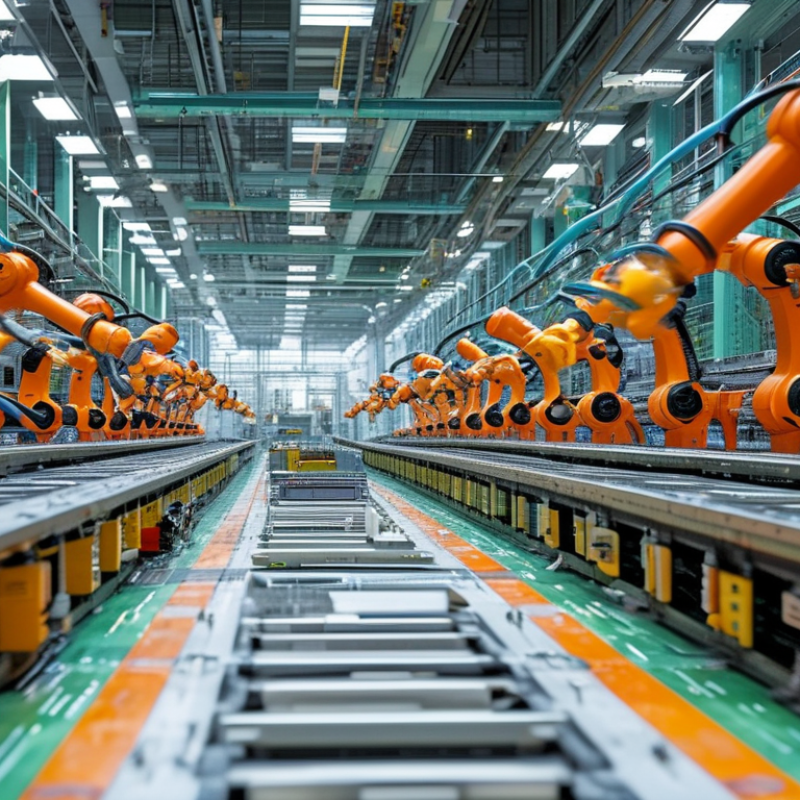
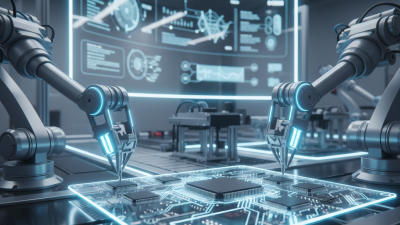
In 2026, printed circuit board (PCB) manufacturing will witness significant changes driven by emerging technologies. Advanced automation will streamline production processes. Robotic systems will handle intricate tasks, ensuring precision and reducing human error. This shift requires thorough training for operators to work alongside machines effectively.
Moreover, additive manufacturing techniques will gain traction. 3D printing allows for rapid prototyping and design flexibility. This method opens avenues for innovation, enabling engineers to test and iterate quickly. However, companies must be cautious about material compatibility and performance issues in final products.
Sustainability remains a pressing concern. PCB manufacturers will need to explore eco-friendly materials and processes. There is a growing need for recycling programs to minimize waste. However, implementing these changes poses challenges, including higher initial costs and technology adaptation. Continuous research and collaboration in the industry are essential for success.
Sustainability is central to the future of printed circuit board (PCB) manufacturing. The industry is witnessing a shift toward eco-friendly materials and processes. Manufacturers are prioritizing biodegradable substrates and non-toxic chemicals. This reduces harmful waste in the production cycle. Advanced recycling techniques are also emerging, allowing companies to reclaim materials efficiently. Innovating with green technologies can be a game changer.
The implementation of energy-efficient systems is gaining traction. Utilizing renewable energy sources can significantly cut down on carbon footprints. Manufacturers are adopting closed-loop systems to minimize waste. Yet, challenges remain. Not all conventional methods have sustainable alternatives that meet performance needs. Finding the right balance between quality and eco-friendliness is crucial. Continuous improvement in processes is necessary for better outcomes.
Collaboration within the industry is vital. Sharing knowledge about sustainable practices can lead to broader changes. Educating teams about the importance of sustainability can foster a culture of responsibility. Though progress is being made, some manufacturers still struggle with compliance and adaptation. The journey towards sustainable PCB production is ongoing, but the commitment is more essential than ever.
| Trend | Description | Sustainability Impact | Implementation Challenges |
|---|---|---|---|
| Eco-Friendly Materials | Use of biodegradable and recyclable materials in PCB design and manufacturing. | Reduces environmental footprint and waste. | Higher costs and limited availability of materials. |
| Energy Efficient Manufacturing | Techniques to lower energy consumption in PCB production. | Decreases carbon emissions and operational costs. | Requires investment in new technology and training. |
| Waste Reduction Practices | Implementation of lean manufacturing processes to minimize waste. | Enhances resource efficiency and reduces landfill contribution. | Resistance to change from traditional processes. |
| Circular Economy Practices | Designing PCBs for reuse and recycling at the end of life. | Promotes sustainability and reduces resource extraction. | Necessitates changes in design philosophy and supply chain. |
| Advanced Production Technologies | Automation and IoT integration for smarter production lines. | Increases efficiency and reduces waste through smart monitoring. | Initial setup costs and potential cybersecurity risks. |
Advanced design methods are revolutionizing the field of PCB manufacturing. As reported by IPC, incorporating advanced simulation tools can improve efficiency by up to 30%. Designers use these tools to predict electrical performance early in the design phase. This early identification of potential issues reduces costly revisions later.
Thermal management is another critical aspect. Engineers are using computational fluid dynamics (CFD) simulations to optimize heat dissipation. Effective thermal design can lead to components lasting significantly longer. According to a recent study, effective thermal management can extend the lifespan of PCBs by up to 50%.
Moreover, the trend toward multilayer PCBs is increasing complexity. Designers now face challenges in maintaining signal integrity disruptors like crosstalk. Some struggle to balance performance with manufacturability. This balance requires constant adaptation and learning from failures. Embracing such complexities is necessary for driving innovation forward.
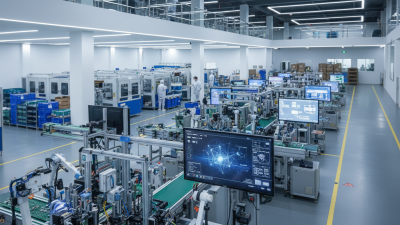
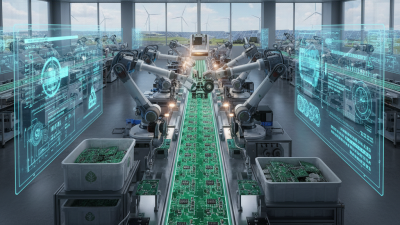
Automation and robotics are redefining the landscape of printed circuit board (PCB) manufacturing. Industry reports indicate that automation can increase production efficiency by up to 30%. With robotic arms handling repetitive tasks, manufacturers can divert human workers to more complex roles. This shift not only boosts productivity but also reduces the risk of human error.
Implementing automation technologies does come with challenges. Many manufacturers face a steep learning curve when integrating new systems. Training employees to use these advanced tools is essential. However, the benefits are significant. Data suggests that automated processes lead to higher precision in soldering and component placement. This impact is crucial in an industry where the smallest error can have costly repercussions.
Moreover, the rise of smart factories introduces real-time monitoring. This allows manufacturers to oversee operations closely. Predictive maintenance can prevent costly downtimes. But reliance on technology raises questions about cybersecurity. Data breaches can halt operations and impact brand reputation. As the PCB industry embraces automation, balancing innovation with security is vital.
This bar chart represents the top trends in PCB manufacturing for 2026, showing the percentage of anticipated adoption for various technologies.
In 2026, the landscape of printed circuit board (PCB) manufacturing is evolving rapidly.
Manufacturers must pay close attention to consumer needs, especially as technology becomes more integrated into daily life.
Faster connectivity, smaller devices,
and sustainable solutions are vital trends shaping production methods.
Meeting these demands requires a shift from traditional practices.
Adapting to market trends means embracing flexibility. PCB production must be agile, responding quickly to changes in consumer preferences.
The rise of electric vehicles and smart home devices
highlights a need for specialized PCBs. Companies must invest in retrofitting equipment and improving processes.
However, finding skilled labor poses challenges. The industry needs a workforce that can innovate and adapt.
Not every transformation will be seamless. Rethinking supply chains is essential but can expose vulnerabilities.
Sustainability initiatives introduce complexity in sourcing materials. Some strategies may not yield immediate benefits,
requiring patience. Continual assessment of production methods is necessary to stay relevant.
Balancing demand and quality presents ongoing hurdles for manufacturers as they navigate the complexities of 2026.