What is White Board Display and How to Choose the Best?
As organizations increasingly embrace digital transformation, the use of White Board Display technology is on the rise. A recent industry report indicates that the global market for interactive displays is projected to reach $20 billion by 2025. This growth underscores the importance of effective visual communication in today’s professional environment. White Board Displays are at the forefront of this shift, providing users with an intuitive interface for collaboration and presentation.
Choosing the best White Board Display requires careful consideration. Factors such as screen size, resolution, and touch sensitivity play significant roles in usability. For instance, displays with 4K resolution have become essential for clarity in detailed presentations. However, with so many options available, selecting the right model can be overwhelming. Users may also find themselves questioning the durability and software compatibility of the products they choose. Recognizing these challenges is crucial in making an informed decision.
In an era where hybrid work models dominate, White Board Displays can enhance team interactions. However, it is vital to assess the specific needs of your organization. Feedback from users often highlights both advantages and limitations of various models. With the right approach, teams can maximize the potential of White Board Displays, fostering creativity and connection in collaborative tasks.
What is a White Board Display and Its Key Features?
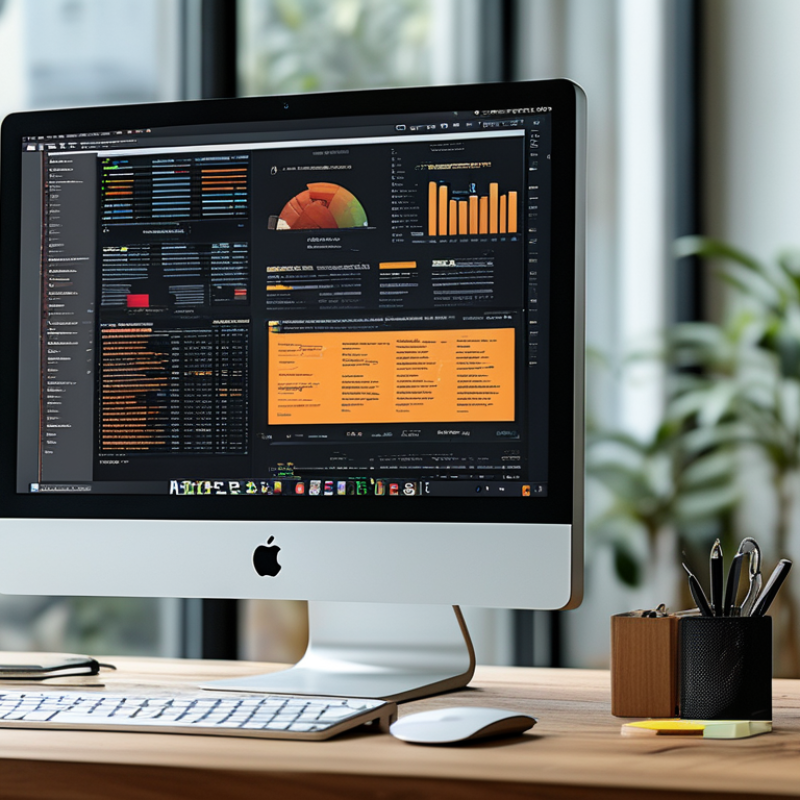
A white board display is a versatile tool used in classrooms and offices. It resembles a large screen that allows users to present ideas clearly. The key features include touchscreen capabilities, vivid image quality, and compatibility with various devices. These displays enhance collaboration and engagement during presentations.
When choosing a white board display, consider key aspects like size and resolution. A larger screen may suit bigger rooms. High resolution ensures clarity, especially for detailed graphics. Touch sensitivity is essential for interactive sessions. A lag in response can hinder the flow of ideas.
Additionally, connectivity options play a crucial role. Look for displays that offer wireless connection capabilities. This allows seamless integration with laptops and tablets. User reviews can provide insight into reliability and performance. Some displays may have limitations that require reflection. Not all models deliver the same experience, so read carefully before deciding.
Understanding the Technology Behind White Board Displays
Whiteboard displays have gained popularity in classrooms and boardrooms. Understanding the technology behind them is essential for making the right choice. These displays typically use a combination of LCD or LED screens and touch-sensitive surfaces. This technology enables users to interact directly with the content on the display. It creates a dynamic environment for presentations or collaborative work.
When selecting a whiteboard display, consider the resolution. Higher resolution screens produce clearer images, which is critical for detailed charts and graphs. Brightness matters too. A display that performs well in various lighting conditions enhances visibility. Connectivity options play a role as well. Ensure it supports numerous input sources like laptops or mobile devices.
Tips: Always check reviews and expert opinions. Don't solely rely on marketing promises. Evaluate your space's size and lighting before making a decision. This can help prevent future regrets. Reflect on how often you will use the display. If it's infrequent, a high-end model may not be necessary. Prioritize features that match your actual needs.
Top Applications of White Board Displays in Education and Business
Whiteboard displays have transformed the way we engage in education and business. They enhance interactive learning and collaboration considerably. In classrooms, teachers use these displays to share content visually. This approach caters to different learning styles. Students can participate actively, fostering an engaging environment. Group discussions become more productive. The technology allows for quick data sharing, making lessons more dynamic.
In the business world, whiteboard displays facilitate meetings and presentations. They help visualize ideas and concepts clearly. Teams can brainstorm effectively, ensuring everyone contributes. Instant feedback is crucial. Although these displays are user-friendly, some still struggle with the technology. Training may be needed initially. Developing proficiency takes time. Businesses should not overlook the importance of ease of use. A balance is vital between advanced features and simplicity in operation.
Factors to Consider When Choosing the Ideal White Board Display
When choosing a whiteboard display, several factors come into play. The size of the board matters greatly. Larger boards may accommodate more information, but they can overwhelm smaller spaces. Think about where you will place the display. Will it be viewed from a distance? A bigger screen could enhance visibility.
Consider the material used in the whiteboard. Some surfaces are easier to clean than others. A smooth, glossy finish may require less effort to maintain. However, it may also show stains more prominently. Durability is another critical aspect. A robust board can withstand frequent use, while cheaper options may deteriorate over time.
Ease of use is essential, too. Look for features like built-in markers or erasable surfaces. These can simplify the setup and enhance your experience. However, be wary of complex functionalities that may complicate basic tasks. Reflect on how it fits your needs. Not all features are necessary for every user. Balancing functionality with simplicity is crucial for an effective choice.
Comparative Analysis of Leading White Board Display Brands and Models
When considering whiteboard displays, comparing leading brands and models is crucial. Industry reports indicate that the global interactive display market is projected to reach $23.4 billion by 2026, highlighting a significant demand. Various brands offer unique features and technologies that cater to diverse needs. For instance, some models excel in touch sensitivity, while others provide superior display resolution.
Each brand has its strengths and weaknesses. For example, reports show that certain displays have advanced annotation capabilities, which enhance collaboration in meetings. However, these features can sometimes complicate user experience. Additionally, ease of installation and compatibility with existing systems are critical factors. A 2022 survey revealed that 45% of users faced challenges integrating new technology into their environments.
User feedback often reflects a mixed experience with display durability and software functionality. Some brands promise lifetime warranties, yet many users report issues within the first few years. Such discrepancies can lead to frustration. It underscores the importance of thorough research before making a purchase. Choosing the right model demands evaluating multiple factors, rather than relying solely on marketing claims.
Comparison of White Board Display Features
This chart compares the key features of various whiteboard displays in the market, focusing on screen resolution, brightness, and connectivity options. Such metrics are critical in selecting the best whiteboard display for educational and professional environments.