The Ultimate Guide to Choosing the Right Circuit Box for Your Needs
In the world of electrical installations, the importance of selecting the right circuit box cannot be overstated. Renowned electrical engineer, John Smith, emphasizes this point by stating, "A well-chosen circuit box is the backbone of any reliable electrical system, ensuring safety and efficiency." As technology advances and demands on electrical systems increase, understanding the purpose and types of circuit boxes has become essential for both professionals and DIY enthusiasts alike.
This guide aims to demystify the complexities of choosing an appropriate circuit box tailored to your specific needs. With a myriad of options available, it’s crucial to consider factors such as amperage, number of circuits, and compatibility with future upgrades. Each choice impacts not only the performance of your electrical system but also its safety and longevity. By making informed decisions, users can navigate the diverse landscape of circuit boxes with confidence, ensuring their electrical systems function seamlessly and securely.
Understanding the Different Types of Circuit Boxes Available
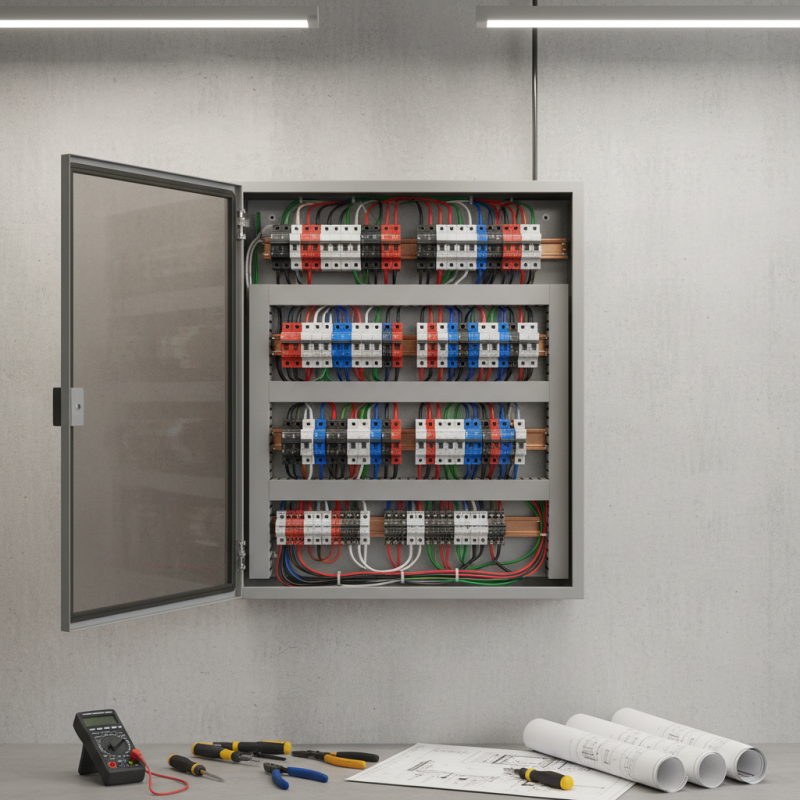
When choosing the right circuit box, it is essential to understand the various types available to make an informed decision. One of the most common types is the main service panel, which serves as the central hub for electrical distribution in a home. This panel is responsible for receiving power from the utility company and distributing it to various circuits throughout the property. It typically contains circuit breakers, which provide essential protection against overloads and short circuits, ensuring both safety and reliability.
Another option to consider is the transfer switch, particularly if you plan to integrate a backup generator into your electrical system. Transfer switches allow for the safe and seamless transition between grid power and generator power, ensuring that your home remains powered during outages. Additionally, for specialized applications, such as outdoor installations or high-demand environments, weatherproof or industrial circuit boxes are available, designed to withstand harsh conditions while providing robust performance. Understanding these different types of circuit boxes will aid you in selecting the right one that caters to your specific electrical needs and enhances safety in your living space.
Key Factors to Consider When Choosing a Circuit Box
When selecting the right circuit box for your needs, several key factors come into play. One of the primary considerations is the size and capacity of the circuit box. Ensure that the box you choose can accommodate the number of circuits you intend to install, allowing for future expansions. It's essential to evaluate both the physical dimensions of the box and its amperage rating, ensuring it matches your specific electrical requirements.
**Tip**: Always consult with a licensed electrician if you're unsure about your needs. They can provide valuable insights into current codes and safety regulations that could affect your choice.
Another important factor is the material of the circuit box. Typically, they are made from plastic or metal; each has its advantages. Plastic circuit boxes are generally more lightweight and resistant to corrosion, making them suitable for indoor use. On the other hand, metal circuit boxes offer durability and are often used in outdoor settings or environments where heavy-duty performance is necessary.
**Tip**: If you live in an area prone to moisture, consider choosing a waterproof or weatherproof circuit box to ensure maximum protection for your electrical components.
The Ultimate Guide to Choosing the Right Circuit Box
This chart represents key factors to consider when choosing a circuit box based on their importance rating out of 10. Understanding these factors can help consumers make informed decisions.
Evaluating Your Electrical Needs and Load Requirements
When selecting a circuit box, thoroughly evaluating your electrical needs and load requirements is crucial. Start by assessing the total wattage of all electrical devices you plan to use simultaneously. This includes everything from lighting and appliances to HVAC systems. Compile a comprehensive list of these devices and their respective wattages.
Once you have this information, you can determine the total load, which will guide you in choosing a circuit box that can handle the demand without risking overheating or tripping circuits.
Consider also the future growth of your electrical needs. If you plan to expand your living space, invest in more devices, or upgrade your appliances, it’s wise to opt for a circuit box with a higher capacity than your current load requirement. This not only provides flexibility for future upgrades but also enhances the safety and longevity of your electrical system.
Additionally, ensure that the circuit box you select complies with local codes and regulations to guarantee optimal performance and safety.
Installation Guidelines and Best Practices for Circuit Boxes
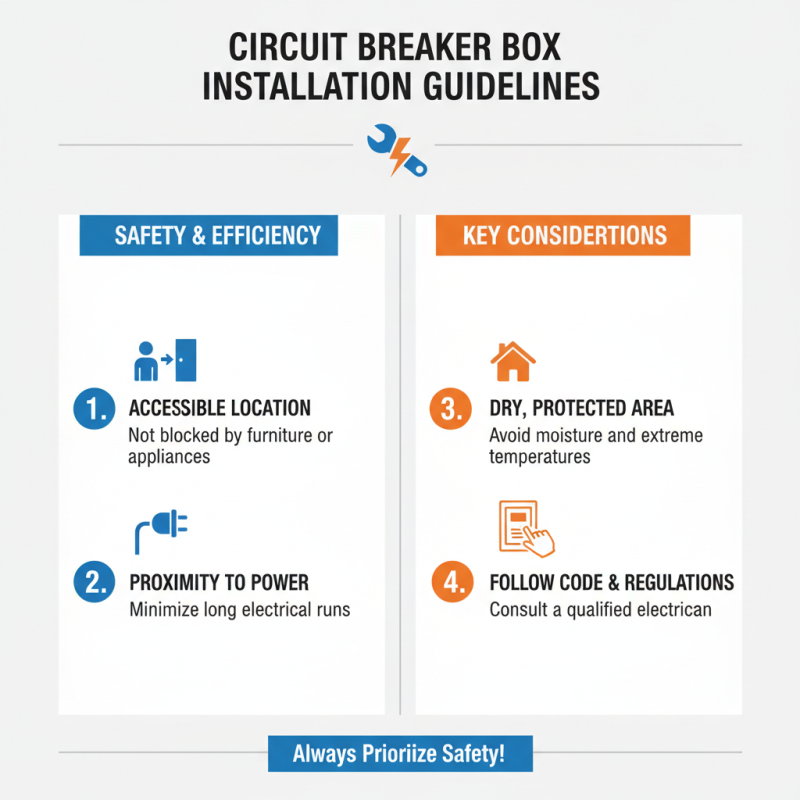
When installing a circuit box, proper placement and adherence to guidelines are essential for safety and efficiency. First and foremost, ensure the circuit box is installed in a location that is easily accessible for maintenance and troubleshooting. It should not be obstructed by furniture or appliances. Additionally, consider the proximity to power sources and existing wiring to minimize the need for extensive electrical runs, which can complicate the installation process.
When it comes to best practices, always follow local electrical codes and regulations. This ensures that the installation is compliant and safe. Use quality materials, including wires and connectors, that can handle the load expected on each circuit. Furthermore, label each circuit clearly within the box to facilitate future maintenance and any necessary upgrades. Conduct a thorough inspection of the setup after installation to verify that all connections are secure and that there are no exposed wires, which can pose hazards. Following these guidelines not only ensures the circuit box functions correctly but also enhances the overall safety of the electrical system.
Common Mistakes to Avoid When Selecting a Circuit Box
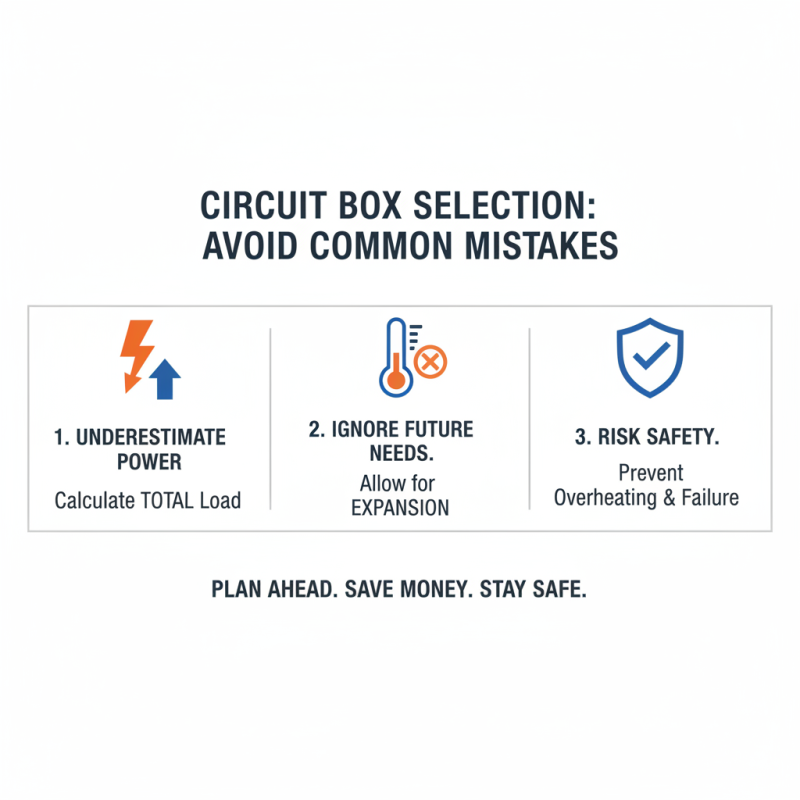
When selecting a circuit box, it's crucial to avoid common mistakes that can lead to inefficiencies or safety hazards. One prevalent error is underestimating the power requirements of your electrical system. Calculating your total load is essential; failing to account for all appliances and devices can result in overheating and eventual circuit failure. Always consider future expansion as well; purchasing a box that accommodates additional loads can save time and money later on.
Another mistake often made is neglecting to check local building codes and regulations. Each region may have specific requirements regarding circuit box types, installation methods, and safety standards. Ignoring these guidelines can lead to non-compliance issues, requiring costly adjustments and inspections. Furthermore, choosing the wrong type or size of circuit box for your environment can create issues. For instance, opting for a standard box in a humid area without an appropriate rating may lead to corrosion and shortened equipment lifespan. It's vital to research and select a circuit box that meets both your current and anticipated needs while adhering to local regulations.