Top 10 Polypropylene Pipe Types for Global Buyers
Choosing the right Polypropylene Pipe is not a simple matter of comparing price, diameter, or supplier location. Global buyers must examine fluid type, operating temperature, pressure cycles, installation conditions, and expected service life. A pipe that performs well in a chilled-water plant may fail to suit a chemical process or outdoor project. The details matter.
Dr. Thomas Engel, a recognized polypropylene piping specialist, offers a practical principle: “The right pipe system is never chosen by material alone; the application decides performance.” This idea guides our review of the top ten Polypropylene Pipe types used across international markets. We will consider PP-R for hot and cold water, PP-H for industrial service, PP-B for drainage, and reinforced structures for demanding applications. Joining methods, wall thickness, UV exposure, and thermal expansion also deserve close attention. Small errors can become expensive leaks.
A catalogue rarely tells the whole story. It may show impressive pressure ratings, yet omit installation temperature or welding requirements. Buyers should question unclear data. They should request technical sheets, test reports, and evidence of quality control. Standards and certifications must also match the destination market, because requirements vary between regions. No universal ranking is perfect. Real performance depends on design, installation, and maintenance. This guide therefore focuses on practical selection, not attractive claims. It is written for engineers, distributors, contractors, and purchasing teams seeking safer, more durable, and better-informed polypropylene piping decisions.
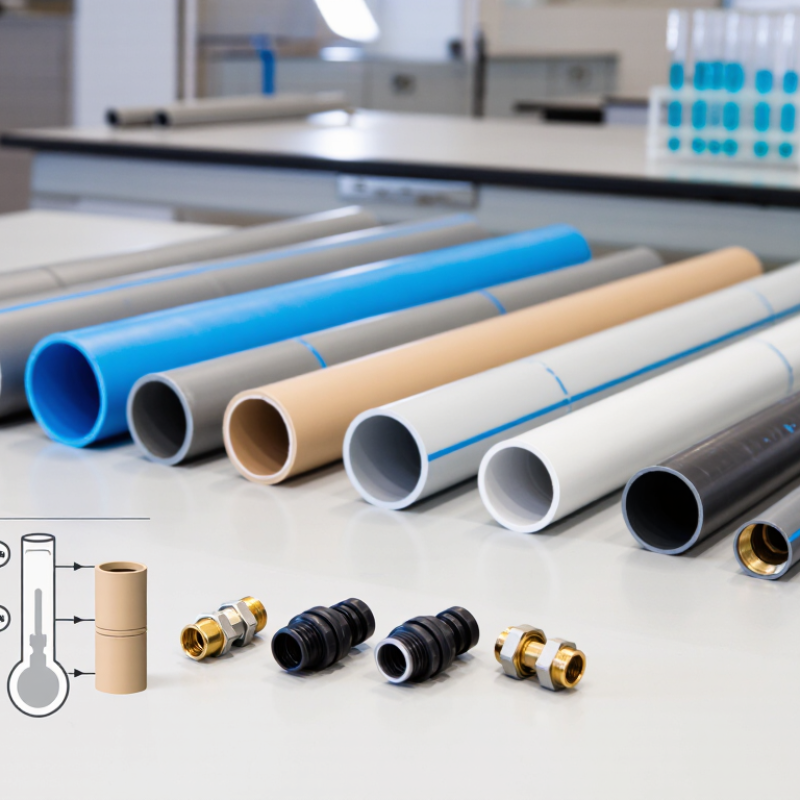
What Polypropylene Pipes Are and How They Are Classified
Polypropylene pipes are lightweight thermoplastic tubes used for drinking water, heating, industrial fluids, drainage, and chemical service. Their classification begins with the resin structure. PP-R, or random copolymer polypropylene, is common in hot and cold water systems. PP-RCT offers improved pressure performance at elevated temperatures. PP-H provides higher rigidity and chemical resistance, while PP-B gives better impact strength in some applications. Not every PP label means the same thing.
Pipe structure creates another practical classification. Buyers may compare solid-wall PP pipes, fiber-reinforced pipes, glass-fiber reinforced pipes, multilayer pipes, corrugated drainage pipes, and electrofusion-compatible systems. These forms affect expansion, stiffness, installation weight, and joint reliability. For pressure service, check the outside diameter, wall thickness, SDR value, pressure class, and operating temperature. A thicker wall is not automatically better. It may reduce flow capacity and increase installation cost.
Application also separates the ten most common polypropylene pipe types in global purchasing lists. Water, underfloor heating, industrial chemicals, compressed air, and buried drainage each require different designs. Field inspections often show that poor support spacing causes more trouble than the pipe material itself. Standards and test methods also vary by market, so buyers should verify certificates, temperature ratings, dimensional tolerances, and documented pressure tests. I would not select a pipe from resin name alone. The service fluid, joining method, installation environment, and expected lifespan must be reviewed together.
Key Performance Features and Applications of Each Pipe Type
Top 10 Polypropylene Pipe Types for Global Buyers
Polypropylene pipes differ in pressure resistance, temperature stability, flexibility, and joining method. PP-R suits hot and cold drinking-water systems, with smooth walls that reduce friction. PP-RCT handles higher temperatures and pressure, making it useful for apartment risers and industrial hot-water loops. PP-H offers strong chemical resistance for plating, laboratory, and process drainage systems. PP-B provides impact resistance and performs well in low-temperature drainage applications.
Glass-fiber-reinforced PP-R limits thermal expansion in long indoor runs. Its lighter structure can reduce support requirements, though installers must check clamp spacing.
Aluminum-composite PP-R reduces expansion further and creates a firm shape near valves. PP-MD, modified with mineral fillers, improves stiffness for selected pressure and drainage installations.
UV-stabilized polypropylene works better in outdoor service, but prolonged sunlight still requires careful product selection and protection.
Electrofusion PP systems create reliable joints where open flames are unsuitable, including cramped plant rooms.
Socket-welded PP pipes are practical for smaller diameters in commercial plumbing and laboratory networks.
Double-wall corrugated PP pipes combine a smooth inner surface with a ribbed outer wall, supporting buried stormwater and sewer applications.
I have seen poor results caused by rushed heating times, not weak pipe. Installation temperature, alignment, and clean cutting matter. One detail is often missed: chemical compatibility depends on concentration, temperature, and exposure time, so a qualified engineer should verify the service conditions before purchase.
International Standards, Sizes, Pressure Ratings, and Compatibility
Top 10 Polypropylene Pipe Types for Global Buyers
International buyers commonly compare PP-R, PP-RCT, PP-H, and PP-B pipes for different service conditions. Other useful options include solid-wall, multilayer, fiber-reinforced, glass-fiber-stabilized, corrugated, and electrically conductive polypropylene pipes. Each type serves a distinct installation need. PP-R and PP-RCT suit hot and cold water systems, while PP-H often performs well with aggressive industrial chemicals. Corrugated designs may support drainage, but they are not automatically suitable for pressure service.
Check ISO 15874 for polypropylene piping used in hot and cold water installations. ISO 15494 is more relevant to industrial applications. Some markets also reference ASTM standards, so certification should match the destination country. Available outside diameters often range from 16 mm to 160 mm, although larger sizes require project-specific verification. Pressure classes such as PN10, PN16, PN20, and PN25 indicate nominal performance under defined conditions. They do not guarantee the same rating at high temperatures.
Temperature changes everything. A pipe rated PN20 at room temperature may require derating for continuous hot water. SDR, wall thickness, fluid temperature, operating pressure, and service life must be reviewed together. Compatibility also depends on chemicals, concentration, temperature, and exposure time. A supplier’s general compatibility chart is useful, but it can be incomplete. Request test data for acids, alkalis, solvents, and disinfectants. Fusion joints need clean, square cuts and controlled heating. Small installation errors matter. Do not overlook ultraviolet exposure, thermal expansion, or support spacing. I have seen specifications pass on paper yet fail during commissioning because actual temperatures were higher than assumed.
Top 10 Polypropylene Pipe Types for Global Buyers
International Standards, Sizes, Pressure Ratings, and Compatibility
The chart compares representative PP-R pipe configurations commonly dimensioned under ISO 15874 and EN ISO 15874. SDR 7.4 provides a thicker wall and a higher conventional pressure class than SDR 11. Pressure classes shown are typical 20°C nominal classifications; the permitted operating pressure must be verified against temperature, service life, safety factors, and the applicable national standard.
| Pipe configuration | Standard family | Typical use | Compatibility |
| PP-R SDR 11, 20–50 mm | ISO 15874 / EN ISO 15874 | Cold-water distribution | Potable water, many non-oxidizing fluids |
| PP-R SDR 7.4, 20–50 mm | ISO 15874 / EN ISO 15874 | Hot-water and pressure services | Hot water, heating systems, selected chemicals |
PP-R is generally compatible with potable water and many dilute acids, alkalis, and salts. Compatibility depends on concentration, temperature, pressure, and exposure time. Avoid unverified service with strong oxidizers, aromatic hydrocarbons, and solvents. Always confirm local approval requirements and the manufacturer’s chemical-resistance data before selection.
How Global Buyers Should Compare Quality, Suppliers, and Costs
Top 10 Polypropylene Pipe Types for Global Buyers
Global buyers should compare more than PP-R, PP-RCT, PP-H, and PP-B labels. They should also examine reinforced, UV-stabilized, multilayer, electrofusion, drainage, and chemical-service designs. MarketsandMarkets’ 2023 plastic pipes report estimated market growth from USD 22.6 billion in 2023 to USD 31.5 billion by 2028. This broader figure shows demand, but it does not prove every supplier offers equal quality.
For potable water, check compliance with ISO 15874, pressure-class testing, wall-thickness consistency, and long-term temperature ratings. Ask for batch numbers, resin origin, hydrostatic test results, and independent laboratory reports. A polished factory can still provide weak traceability. That detail matters. Compare supplier audits, mold maintenance, production capacity, and complaint records, not only catalog prices. The Plastics Pipe Institute’s technical guidance also emphasizes design temperature, pressure, joining methods, and installation conditions.
Cost comparison needs a wider lens. Include fittings, welding tools, packaging, freight, inspection, replacement risk, and installation labor. A cheaper PP-R pipe may require thicker walls or more frequent repairs. However, the highest-priced option is not automatically better. I would test sample coils, inspect cut sections, and request accelerated aging evidence before placing a large order. Some evaluations remain incomplete, especially when suppliers provide translated reports without raw data. That is a warning, not a minor paperwork issue.