Top 10 PCB Board Manufacturing Tips for Global Buyers?
The world of PCB board manufacturing is intricate and demanding. Buyers often face challenges when sourcing quality products. Understanding key manufacturing tips can significantly enhance the purchasing experience.
Effective communication is essential for ensuring quality. Buyers need to convey their specific needs clearly. Poor communication can lead to misunderstandings, resulting in subpar products. Additionally, understanding the capabilities of manufacturers is vital. Not every manufacturer is equipped to handle complex designs. Assessing their expertise can prevent costly errors.
Moreover, attention to detail in design and specifications cannot be overstated. Overlooking minor elements can cause major disruptions in production. Buyers should always request samples. This practice helps in evaluating the manufacturer’s output. Reflecting on these steps can lead to improved outcomes in PCB board manufacturing. It is a process that requires continuous learning and adaptation.

Understanding PCB Manufacturing Processes and Technologies
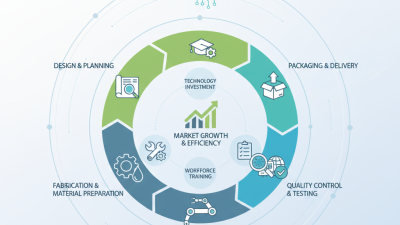
When exploring PCB manufacturing processes, understanding the intricacies can greatly impact the final product. The journey begins with design. Designers must ensure that layouts are optimized for production. This means considering the size of traces and pads. Complex designs can lead to production delays and higher costs.
Next comes the raw materials phase. Choosing the right substrate is essential. Not all materials withstand high temperatures or have the same dielectric properties. This decision affects the PCB's performance in different environments. Moreover, improper material selection may lead to defects during assembly.
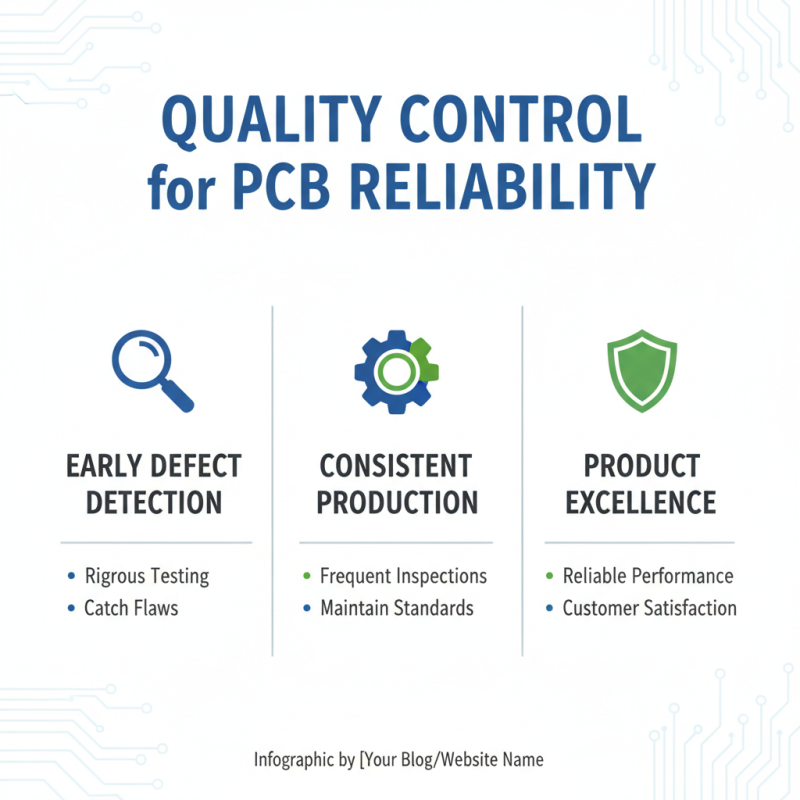
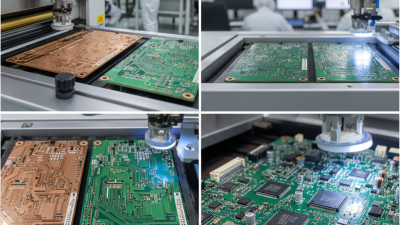
At the manufacturing phase, various technologies like etching, drilling, and plating come into play. Each step requires precision. Mistakes, no matter how small, can result in significant issues. Inspecting each stage is crucial. Automated optical inspection systems can help, but human oversight is equally vital. Buyers must understand these processes to make informed purchasing decisions. Fast turnaround is attractive, yet quality should not be compromised.
Key Factors to Consider When Selecting a PCB Manufacturer
When selecting a PCB manufacturer, several key factors demand attention. Understanding the manufacturing capabilities is vital. The latest industry reports indicate that 45% of manufacturing delays are linked to inadequate production resources. A reliable manufacturer should clearly showcase their equipment quality and technology. This transparency builds trust and confidence in their capabilities.
Another crucial factor is compliance with international standards. Studies reveal that 70% of quality failures stem from non-compliance issues. Look for certifications such as ISO 9001 and IPC-A-600. These certifications ensure that manufacturers adhere to rigorous quality control measures. They guarantee that your PCB will meet industry benchmarks, reducing risks of future failures.
Finally, consider the manufacturer's communication and support system. Effective communication can prevent misunderstandings and project delays. Research shows that quality support impacts customer satisfaction by 60%. Choose a manufacturer who demonstrates responsiveness and willingness to address your concerns promptly. This investment in communication can save time and mitigate potential issues during production.
Top 10 PCB Board Manufacturing Tips for Global Buyers
| Tip No. |
Manufacturing Factor |
Description |
Importance Level |
| 1 |
Quality Control |
Ensure the manufacturer has robust quality assurance processes. |
High |
| 2 |
Lead Time |
Consider the production and shipping times to your location. |
Medium |
| 3 |
Cost Efficiency |
Evaluate the cost against expectations for quality and service. |
High |
| 4 |
Technological Capability |
Assess the technology used by the manufacturer for PCB production. |
High |
| 5 |
Customization Options |
Check if they have options for custom designs and specifications. |
Medium |
| 6 |
Certifications |
Verify the manufacturer holds industry-relevant certifications. |
High |
| 7 |
Client Reviews |
Look for feedback from previous clients regarding reliability. |
Medium |
| 8 |
Communication |
Assess the clarity and responsiveness of communication. |
Medium |
| 9 |
Flexibility |
Evaluate their ability to accommodate order changes. |
Medium |
| 10 |
Post-Production Support |
Ensure the manufacturer provides support after delivery. |
High |
Cost Management Strategies for PCB Production
Effective cost management is essential in PCB production. Leading manufacturers emphasize planning to control expenses. Begin by analyzing your project requirements. Developing a clear scope helps prevent overspending.
One tip is to source materials wisely. Using local suppliers can reduce shipping costs. However, balance this with quality. Sometimes, cheaper options may lead to more expenses later due to defects.
Another strategy involves optimizing production processes. Streamlining operations can significantly enhance efficiency. Focus on automation where possible. This may require an initial investment, but the long-term savings can be substantial.
Don’t forget about the importance of communication. Regular updates with manufacturers can identify issues early. This proactive approach minimizes costly delays and adjustments. Constant reflection on your strategies is vital for continuous improvement.
Sourcing and Supply Chain Tips for Global PCB Buyers
When sourcing PCBs globally, understanding the supply chain is crucial. Start by identifying reliable manufacturers. Look for factories with experience in creating diverse PCB types. Ask for their certifications and past project references. This ensures you partner with trustworthy suppliers who follow best practices.
Communication is key in international sourcing. Make your specifications clear and concise. Use simple language to avoid misunderstandings. Regular updates during production keep everyone aligned. Mistakes can be costly. Miscommunication often leads to delays and increased expenses. Encourage open dialogue with your suppliers.
Logistics can be a challenge. Different countries have varying shipping laws. Familiarize yourself with import regulations to avoid complications. Delays in customs can derail timelines. Consider using local suppliers for smaller runs. Local sourcing may reduce shipping costs and lead times. This often leads to faster prototypes and iterations.