Top 10 PCB Circuit Board Manufacturers in China You Should Know?
The demand for PCB circuit boards has surged in recent years, driven by advancements in technology. According to a report by Market Research Future, the global PCB market is projected to reach $85 billion by 2027. This rapid growth showcases the increasing importance of PCBs in consumer electronics, automotive applications, and medical devices.
China is at the forefront of this industry, contributing significantly to global PCB production. With over 50% of the world's PCB manufacturing capacity, Chinese companies play a crucial role in meeting the diverse needs of various sectors. However, not all manufacturers are created equal. Quality and reliability can vary widely among suppliers.
As we delve into the top 10 PCB circuit board manufacturers in China, it's vital to consider both their production capabilities and their commitment to quality. Each company's track record reflects its experience and expertise, providing insights into their reliability in the competitive landscape. Understanding these factors can help businesses make informed decisions when selecting a partner in PCB manufacturing.
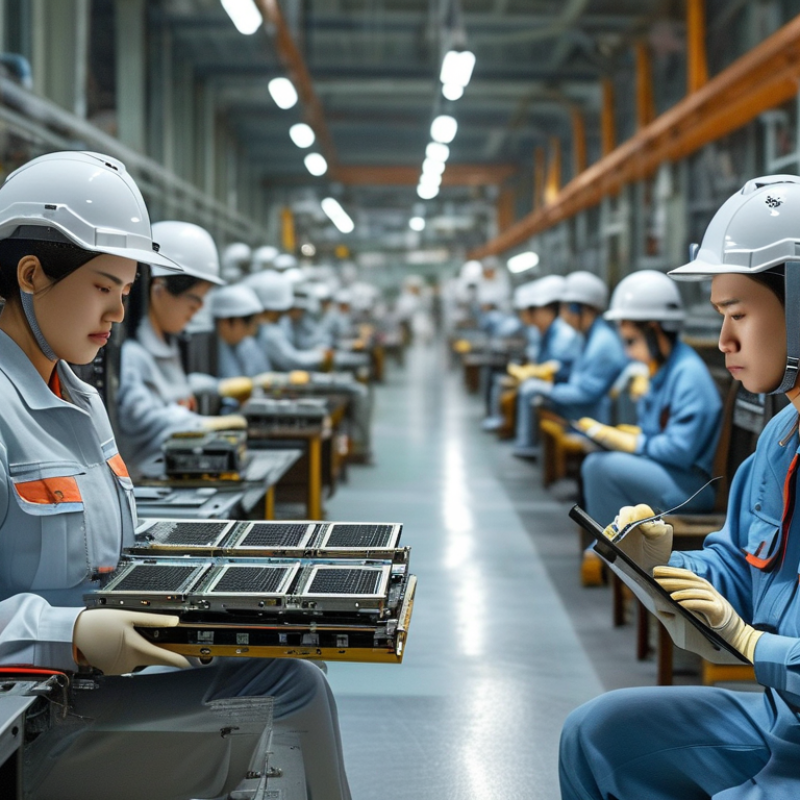
Overview of PCB Circuit Board Manufacturing in China
The PCB circuit board manufacturing industry in China is a vital segment of the global electronics supply chain. As of 2022, China's PCB production was estimated to represent over 40% of the global market share, underscoring its dominance. The rise in demand for consumer electronics and electric vehicles has spurred significant growth. There are more than 3,500 PCB manufacturers in the country, ranging from small enterprises to large corporations.
Quality remains a challenge for many manufacturers. Some companies struggle with consistent quality control, leading to increased defect rates. According to industry reports, around 15% of PCBs produced in low-tier plants do not meet international standards. Moreover, environmental regulations pose another hurdle. While many companies are progressing towards sustainable practices, some still lag in compliance, risking both reputation and market access.
Despite these hurdles, the advancements in technology are promising. High-frequency and multilayer PCBs are on the rise. As manufacturers invest in automation and IoT integration, efficiency improves, but the skills gap in the workforce is alarming. A significant portion of workers lacks advanced training in new technologies, which must be addressed to sustain growth.
Criteria for Selecting Top PCB Manufacturers in China
When selecting the top PCB manufacturers in China, it’s important to consider specific criteria that reflect quality and reliability. First, assess the manufacturer's experience in the industry. Manufacturers with years of expertise often understand the nuances of PCB production. This experience can be critical for solving unexpected issues during production.
Another point to evaluate is technological capability. Advanced technology can enhance the precision and efficiency of PCB manufacturing. It's worth asking about the equipment used and the certifications obtained. This information can be indicative of the manufacturer's commitment to quality and innovation.
Tips: Always request samples before making a decision. This allows you to evaluate the quality firsthand. Look for customer reviews online. Real-user feedback can reveal insights about reliability and service quality.
Lastly, consider the manufacturer's ability to meet deadlines. Timeliness is vital in the fast-paced electronic market. A manufacturer who misses deadlines often causes issues down the supply chain. It’s essential to reflect on these factors before making a final choice. Each element affects not just production but your business's overall success.
List of Leading PCB Manufacturers: An In-Depth Review
When considering PCB manufacturing in China, understanding the landscape is crucial. The country boasts a variety of manufacturers with different capabilities. Each company varies in size, technology, and specialization. Choosing the right partner can influence product performance and cost.
Tips: Evaluate each manufacturer’s experience in your specific industry. Some may excel in high-frequency designs, while others are better suited for prototyping.
Quality assurance plays a key role in PCB production. Many leading companies employ rigorous testing methods. Look for manufacturers that adhere to international standards. This can enhance reliability and reduce issues during production.
Tips: Ask about the manufacturer’s certification and testing procedures. It’s important to ensure their process meets your product requirements. This information can help you avoid costly mistakes.
Remember, transparency is vital when selecting a PCB manufacturer. Clear communication about capabilities and limitations can guide your decision. Engaging with several manufacturers allows you to compare offers effectively. This approach can lead to better partnerships and successful projects.
Innovations and Technologies in China's PCB Industry
The PCB industry in China is at the forefront of innovations and technological advancements. According to a recent market report, the industry is projected to exceed USD 100 billion by 2025, driven by the increasing demand for electronic devices. High-density interconnect (HDI) technology is leading this transformation, enhancing performance and miniaturization in circuit boards. Many manufacturers are adopting this technology, allowing for more complex designs. This progress is particularly vital in sectors like automotive electronics and smartphones, where space and efficiency are critical.
Moreover, the integration of artificial intelligence (AI) in PCB manufacturing processes is reshaping the landscape. AI aids in optimizing production lines and improving defect detection rates. Recent studies indicate that manufacturers utilizing AI have seen a reduction of defects by up to 30%. However, this rapid shift towards automation raises concerns about the workforce adaptation. Many skilled workers face challenges in acquiring the necessary technical skills. There is an urgent need for upskilling programs to bridge this gap.
While advancements in PCB technology are commendable, the industry must also confront sustainability issues. A report highlighted that electronic waste from PCB disposal affects the environment. Addressing recycling methods is becoming crucial. Companies are encouraged to innovate not only in product capabilities but also in environmentally friendly practices. The ongoing balance between growth and sustainability remains a significant concern within the industry.
Future Trends in PCB Manufacturing in China
The PCB manufacturing landscape in China is evolving rapidly. Automation and artificial intelligence play crucial roles in enhancing production efficiency. Factories are adopting smart technologies. This shift reduces human error and increases precision. As a result, the industry can meet growing demand while maintaining quality.
Sustainability is another pressing trend. Manufacturers are exploring eco-friendly materials and processes. Reducing waste and energy consumption is now a priority. However, transitioning to greener practices poses challenges. There is an ongoing need to balance cost and environmental responsibility.
In the realm of design, complex circuit requirements are emerging. As devices become more sophisticated, so do PCBs. Companies must adapt quickly to these changes. This can be daunting, but adaptability is key. Continuous learning and innovation will be essential for success as the market evolves.
Top 10 PCB Circuit Board Manufacturers in China You Should Know
| Rank |
Year Established |
Number of Employees |
Annual Revenue (Estimated) |
Specialization |
| 1 |
1998 |
5000 |
$200M |
Multi-layer PCBs |
| 2 |
2005 |
3000 |
$150M |
Flexible PCBs |
| 3 |
2010 |
4500 |
$230M |
High-frequency PCBs |
| 4 |
1995 |
7000 |
$400M |
Automotive PCBs |
| 5 |
2015 |
1200 |
$80M |
Medical-grade PCBs |
| 6 |
2000 |
4000 |
$180M |
Consumer electronics PCBs |
| 7 |
2012 |
3100 |
$160M |
Telecommunications PCBs |
| 8 |
2008 |
2500 |
$90M |
Industrial PCBs |
| 9 |
1990 |
8000 |
$500M |
Aerospace PCBs |
| 10 |
1993 |
6000 |
$210M |
Robotics and automation PCBs |