Top Digital Agricultural Irrigation Pump Systems to Buy?
In today’s fast-paced world of agriculture, selecting the right Agricultural irrigation pump system is crucial. These systems play a vital role in water management, enhancing crop yield, and conserving resources. With various options available, farmers must navigate through features, efficiency, and durability.
Investing in an agricultural irrigation pump system is not merely a purchase; it is a commitment to sustainable farming. The right pump can save time and energy, significantly impacting productivity. However, making a choice can be overwhelming due to the myriad of brands and technologies on the market.
Real-world experiences vary widely, showing that not all systems meet expectations. Some systems may promise efficiency but fall short in real-life conditions. It is essential to examine each option carefully and learn from others’ experiences. Balancing modern technology with practical needs can lead to better farming outcomes.
Overview of Digital Agricultural Irrigation Pump Systems
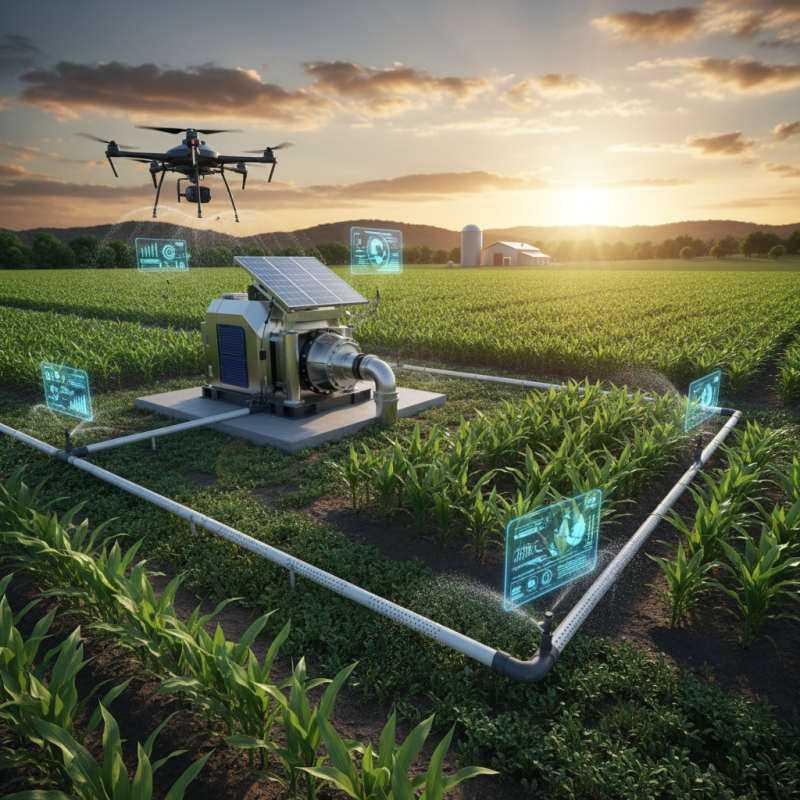
Digital agricultural irrigation pump systems are revolutionizing modern farming. These systems optimize water usage, which is critical given that agriculture accounts for about 70% of the world's freshwater withdrawals. Recent reports indicate that precision irrigation can reduce water usage by up to 30% while increasing crop yields. This efficiency leads to sustainability, a priority for today’s farmers facing climate challenges.
The technology behind these pumps is advancing rapidly. Sensors, automated controls, and data analytics are now common features. A study by the International Water Management Institute reveals that digital irrigation systems can improve water distribution and timing, resulting in healthier plants. Farmers can monitor soil moisture levels in real time, enabling more responsive irrigation schedules. However, the initial investment can be daunting, and not all systems yield immediate benefits.
Moreover, integrating digital pumps requires a learning curve. Some farmers find traditional methods comforting, which can hinder adoption. Experts suggest training programs can mitigate these issues. Local agricultural extensions are crucial in providing support. The potential for increased productivity and sustainability is significant. Yet, the transition needs thoughtful planning and execution to realize its full benefits.
Key Features to Consider When Choosing a Pump System
When selecting a digital agricultural irrigation pump system, consider its efficiency and durability. According to recent industry reports, efficient pumps can improve water application rates by up to 30%. This leads to better crop yields and resource savings. Durability impacts long-term costs. A robust system reduces the frequency of replacements and repairs.
Power source is another critical factor. Electric pumps often offer better efficiency than solar or diesel alternatives. However, they require a reliable power supply. A study shows that 70% of farmers prioritize electricity-driven systems for their reliability and lower operational costs. Assessing the pump's flow rate and pressure rating helps match it to specific irrigation needs.
Additionally, smart technology integration enhances performance. Systems equipped with sensors can optimize water usage and reduce waste. Data shows that smart irrigation can reduce overall water use by 15% to 20%. However, initial investment costs for advanced systems may deter some users. It is essential to weigh these upfront costs against long-term savings and environmental benefits.
Top Digital Agricultural Irrigation Pump Systems
| Pump Type | Flow Rate (GPM) | Power Source | Control Method | Price Range ($) |
| Submersible Pump | 10-100 | Electric | Digital Controller | 500 - 1500 |
| Surface Pump | 20-150 | Diesel | Smartphone App | 1000 - 2500 |
| Drum Pump | 5-50 | Battery | Manual Control | 200 - 800 |
| Gear Pump | 15-75 | Electric | Remote Control | 400 - 1200 |
Top Brands in Digital Agricultural Irrigation Pump Technology
Digital agriculture is rapidly evolving. Modern irrigation pump systems play a crucial role in efficient water management. Various brands offer innovative technology that enhances productivity. These brands focus on automation, ensuring precision in water delivery.
Top brands in digital irrigation technology integrate smart features. Users can control systems remotely via smartphones. This convenience increases efficiency while reducing water waste. Many systems now feature soil moisture sensors and weather data integration. These tools help farmers make informed decisions.
However, not all products are perfect. Some users struggle with compatibility issues or complex interfaces. The learning curve may deter some users. It's essential to evaluate each system carefully before purchasing. Reviews from other farmers can provide valuable insights into performance and reliability.
Comparative Analysis of Popular Pump Models and Their Performance
In the realm of digital agricultural irrigation, selecting the right pump system is crucial. Recent industry reports show that efficient pump systems can reduce water usage by up to 30%. This statistic emphasizes the need for farmers to choose wisely. An ideal pump should strike a balance between power, efficiency, and cost.
When comparing models, consider the flow rate and power consumption. Some systems offer a higher initial cost but save more on energy bills over time. A pump with a variable frequency drive can optimize performance by adjusting to actual irrigation needs. This adaptability can improve crop yield and conserve resources, demonstrating that investment in technology is increasingly essential.
However, there are challenges. Many systems require regular maintenance and might face issues with scalability as farm sizes grow. Additionally, the reliance on digital interfaces can lead to vulnerabilities. Farmers must stay informed about emerging technologies and potential risks. Understanding these dynamics is crucial for making knowledgeable decisions about irrigation pump systems.
Future Trends in Digital Irrigation Pump Systems and Innovations
The landscape of digital irrigation pump systems is evolving rapidly. Recent studies indicate that precision irrigation technologies can enhance crop yields by 20-30% while reducing water usage by up to 50%. This shift is largely driven by advancements in IoT and AI, which allow farmers to monitor and manage their irrigation systems remotely. Such innovations promise increased efficiency and sustainability in agriculture.
However, the adoption of these technologies isn't without challenges. Many farmers face barriers, such as high initial costs and a lack of technical expertise. According to industry reports, about 30% of small to medium-sized farms still rely on traditional irrigation methods. This gap highlights the need for targeted training and support. Despite these hurdles, the future looks promising. Trends suggest that developing low-cost, user-friendly solutions could bridge this divide. As digital irrigation technology becomes more accessible, significant improvements in overall agricultural productivity are anticipated.