Top Tips for Choosing the Right Electronic Voltage Stabilizer?
In today’s tech-driven world, the demand for reliable power supply is increasing. An Electronic Voltage Stabilizer plays a crucial role in protecting sensitive equipment from voltage fluctuations. According to industry reports, improper voltage can lead to significant losses, with equipment damage costs amounting to billions annually.
Selecting the right Electronic Voltage Stabilizer is essential. Factors such as wattage, voltage range, and additional features must be considered. Many users encounter difficulties understanding these aspects, often leading to suboptimal choices. Reports suggest that nearly 30% of users regret their selections, highlighting the need for better guidance in this area.
Moreover, not all stabilizers are created equal. Some fail to deliver on their promises, while others offer essential protections. It is critical to research and compare products before making a decision. User feedback indicates that price is often prioritized over quality, which can result in disappointing outcomes. Hence, clear information and expert advice are valuable for ensuring a suitable selection.
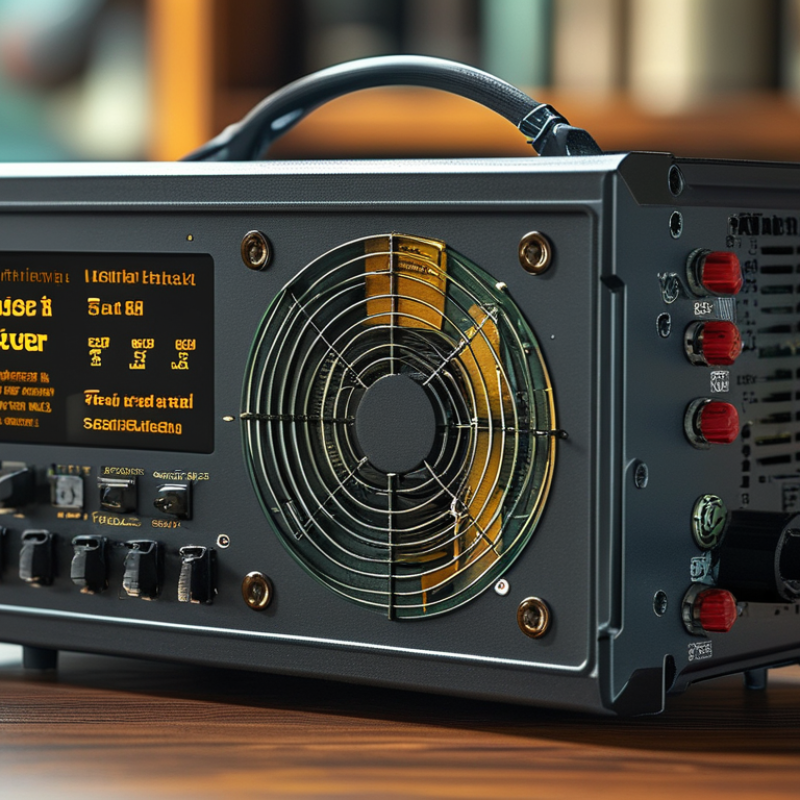
Understanding the Importance of Electronic Voltage Stabilizers
Electronic voltage stabilizers play a crucial role in maintaining power quality. These devices protect sensitive electronics from voltage fluctuations. Without a stabilizer, appliances can suffer. They may overheat or get damaged due to unstable power supply. This can lead to expensive repairs or replacements. Therefore, understanding their importance is vital for both homes and businesses.
Voltage instability can cause various problems. Lights flicker when voltage levels swing. This might seem minor, but it creates discomfort. It can also shorten the lifespan of household appliances. Electric motors can struggle to start. This impacts efficiency and leads to higher energy costs. Investing in a reliable stabilizer is essential for long-term savings.
When choosing a voltage stabilizer, consider the total load. Measuring the power needs of your electronics is crucial. An underestimated stabilizer might fail under heavy loads. Conversely, overestimating can lead to wasted energy. Look for features like surge protection and noise filtration. These enhance performance but consider the balance with your budget. Making an informed choice can protect your investments and ensure reliability in daily operations.
Key Features to Consider When Selecting a Voltage Stabilizer
When selecting an electronic voltage stabilizer, consider key features that will ensure reliability. Look into the input and output voltage range. A wider range allows for versatility across different appliances. It’s crucial for a stabilizer to handle voltage fluctuations, protecting your devices efficiently.
Another vital aspect is the response time. A quicker response can prevent damage to sensitive electronics. Take note of the total harmonic distortion (THD) rating. A lower THD means cleaner power delivery, which is essential for machinery and expensive electronics. Furthermore, consider the unit’s cooling mechanism. Overheating can lead to failures, so effective cooling is non-negotiable.
Don’t overlook user reviews and expert recommendations. Sometimes, practical insights reveal flaws that specifications do not. It’s wise to reflect on the warranty terms offered. A longer warranty can indicate trust in the product's reliability. Choosing a voltage stabilizer is not only about specs but also about real-world performance. Focus on features that will truly benefit your needs.
Types of Voltage Stabilizers and Their Applications
When selecting the right voltage stabilizer, understanding the different types is crucial. There are three primary types: automatic voltage regulators (AVRs), servo motor stabilizers, and static voltage stabilizers. Each type serves distinct applications based on their operational principles and effectiveness.
AVRs are often used in residential settings. They provide a quick response to voltage fluctuations. These devices maintain a steady voltage within a narrow range. According to a recent industry report, AVRs can correct voltage variations within milliseconds, making them ideal for sensitive electronics. However, their capacity may be limited in large facilities, leading to performance issues.
Servo motor stabilizers excel in industrial applications. They are designed for heavy-duty use. Their mechanical components allow them to manage higher loads and sustain longer durability. Research shows that they can effectively regulate voltage for machinery in factories. However, these systems require regular maintenance. Neglecting this aspect can lead to inefficiencies and increased costs over time.
Static voltage stabilizers are suitable for high-tech environments. They offer high efficiency and fast-acting responses. Still, their complexity can lead to misconfiguration without expert installation. Understanding these differences is essential for making an informed decision regarding voltage stabilizers.
Evaluating Voltage Stabilizer Capacity for Your Needs
When selecting an electronic voltage stabilizer, understanding capacity is crucial. It directly impacts how it performs under different electrical loads. To determine the suitable capacity, consider your total device wattage. This includes all appliances you plan to connect. Calculate the total load: it should never exceed the stabilizer’s rating. Overloading can lead to failure.
Consider the peak demand too. Some appliances like refrigerators and air conditioners require extra power during startup. This momentary surge can exceed normal operating wattage. Look for a stabilizer that can accommodate this spike. It's often wise to choose a model with a slightly higher capacity than your usual needs.
Tips to keep in mind: always consult a professional. They can help assess your specific requirements. Also, don't ignore quality certifications. They provide insight into the reliability and performance of the stabilizer. A well-informed decision saves time and money in the long run, preventing voltage issues that can damage electronics. Remember, choosing unverified models can lead to regrets down the road.
Top Tips for Choosing the Right Electronic Voltage Stabilizer
| Criteria | Description | Suggested Range |
| Load Capacity | Ensure the stabilizer can handle the total power of your devices. | 500VA - 5000VA |
| Voltage Regulation | Check the percentage of voltage regulation you need. | ±5% - ±10% |
| Input Voltage | Identify the input voltage range you will be using. | 90V - 300V |
| Response Time | The time taken to correct voltage fluctuations. | < 10 ms |
| Protection Features | Safety measures against over/under voltage, short circuits, etc. | Yes |
| Form Factor | Choose between wall-mounted or floor-standing models. | Varies |
Common Mistakes to Avoid When Choosing a Voltage Stabilizer
Choosing the right electronic voltage stabilizer can be daunting. Many buyers overlook critical aspects that lead to costly mistakes. A common error is not assessing the power requirements of their devices. A voltage stabilizer should match the total wattage of the connected appliances. Industry data suggests that improper sizing can lead to decreased efficiency and even equipment damage.
Another mistake is ignoring the stabilizer's response time. Voltage fluctuations can happen rapidly. A slow response might not protect sensitive electronics, risking operational failures. Research indicates that stabilizers with a response time under 10 milliseconds are preferable. Ensuring your stabilizer meets this standard is essential for reliable performance.
When selecting a stabilizer, pay attention to its input voltage range. Many users mistakenly choose devices with limited ranges, which can lead to additional issues. A stabilizer should accommodate local voltage variations. Check the specifications against known local voltages to avoid issues down the line.
Top Tips for Choosing the Right Electronic Voltage Stabilizer
This chart illustrates common mistakes to avoid when selecting a voltage stabilizer, based on user feedback and preferences.