Let Us Know How We Can Help. We Are Your Dedicated Solutions Provider.

The PCB manufacturing and assembly industry is rapidly evolving. According to a report by MarketsandMarkets, the global PCB market is expected to reach $81.4 billion by 2028, growing at a CAGR of 4.7%. This growth presents opportunities and challenges. Manufacturers must adapt to increasing demands while ensuring quality and efficiency.
PCB manufacturing and assembly require meticulous attention. Every step, from design to final assembly, impacts the overall quality. The IPC (Association Connecting Electronics Industries) highlights that improper assembly can lead to a 30% increase in defects. This statistic underscores the importance of following best practices throughout the process.
Continuous improvement is essential in PCB manufacturing and assembly. Companies must assess their workflows regularly. Small mistakes can lead to significant costs. It's crucial to invest in the right technologies and workforce training. In a competitive market, a proactive approach can differentiate successful manufacturers from the rest.
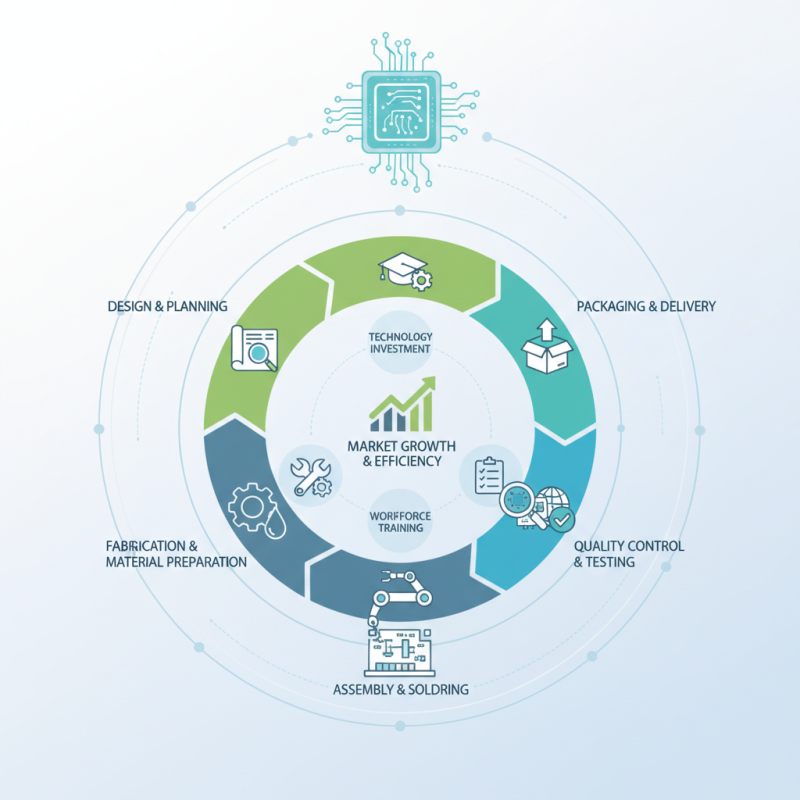
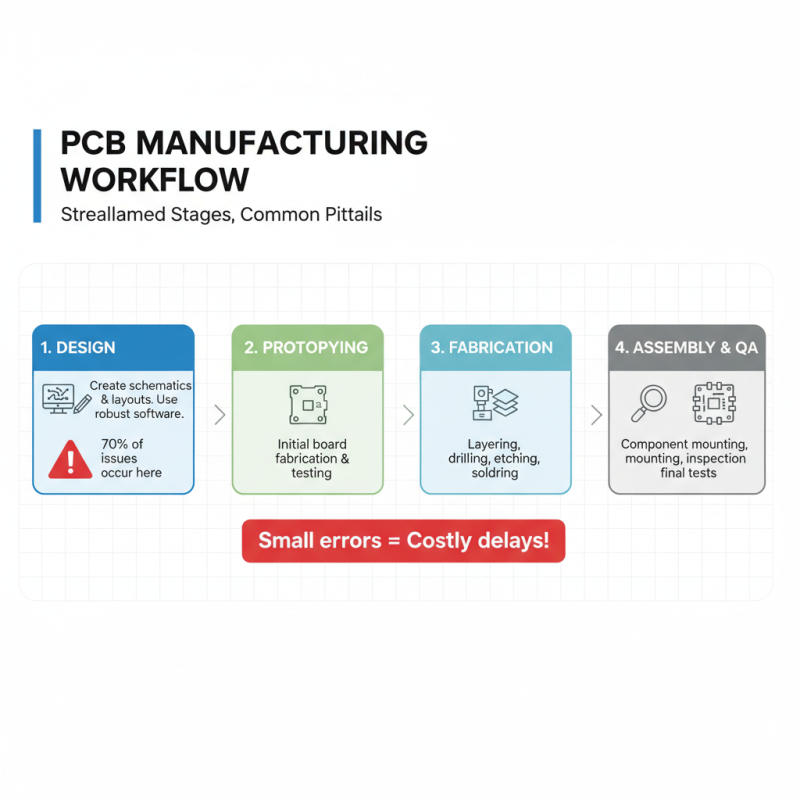
The PCB manufacturing workflow is complex and involves several critical stages. It begins with design, where engineers create schematics and layouts. According to industry reports, about 70% of issues arise during this phase. It's vital to use robust software tools to minimize errors. Even small mistakes can lead to costly production delays.
Next comes material preparation. Selecting the right materials is crucial. Research indicates that poor material quality can increase failure rates by 30%. After material selection, the fabrication stage involves etching, drilling, and plating. Each step requires precision. Misalignment in any part can result in boards that don’t meet specifications.
Finally, assembly follows. This is where components are soldered onto PCBs. A notable 25% of defects occur during assembly. Automated processes help, but human oversight is essential. Ignoring inspections can lead to larger issues down the line. Continuous feedback loops and quality checks at every stage ensure that the final product meets expectations. By understanding these stages, manufacturers can improve efficiency and reduce waste.
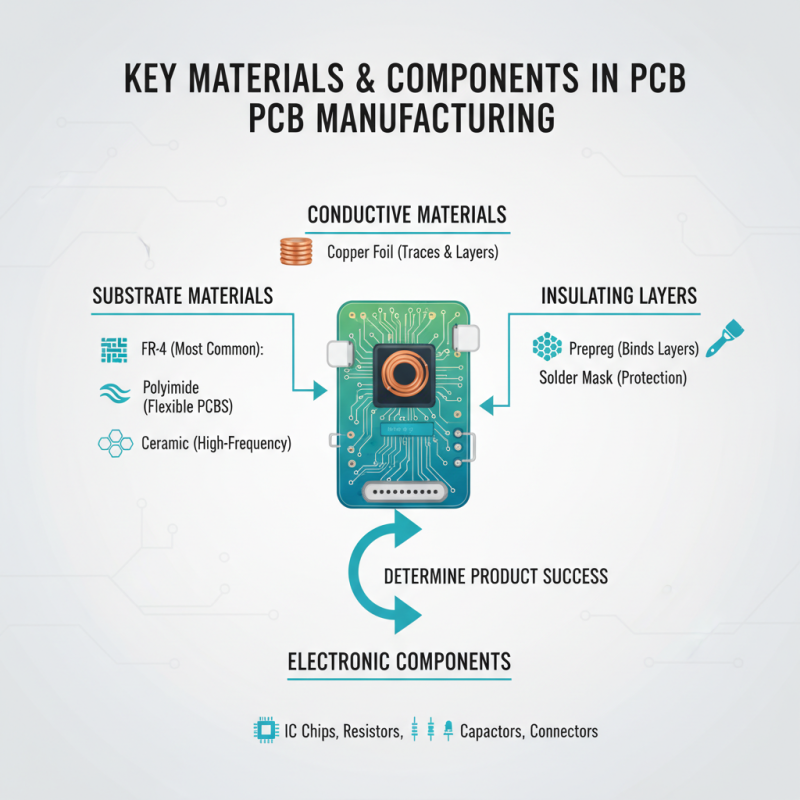
In PCB manufacturing, materials play a crucial role in determining the success of the final product. Copper is one of the primary materials used in boards. Its excellent conductivity allows efficient electronic pathways. However, improper thickness can lead to issues like overheating. Careful consideration of copper weight is essential.
Another key component is the substrate, typically made from FR-4. This epoxy fiberglass material provides strength and durability. Yet, selecting the wrong substrate can affect flexibility and signal integrity. Designers often face challenges when balancing performance and cost.
Solder masks and silkscreens are also vital. They protect the circuit and provide necessary labeling on boards. An incorrect application can lead to soldering issues. Precision in this step is often overlooked, but it can significantly impact manufacturing quality. Each component requires attention and careful inspection. Only then can the assembly process lead to reliable products.
Designing PCBs effectively is critical. Attention to detail is key. Start with a clear schematic. Ensure functionality before layout begins. Consider space carefully. Keep components close, but not too close. Maintain proper distances to avoid short circuits. Remember to account for heat dissipation in your designs. It’s easy to overlook, but crucial for performance.
The choice of materials impacts the assembly process. While some designers stick to standard options, exploring alternatives can yield benefits. For instance, using higher-quality substrates can enhance signal integrity. However, this may raise costs. Be mindful of your budget constraints.
Test your design early and often. Simulation tools are valuable. They help identify potential flaws. Yet, relying solely on software may overlook practical assembly issues. Prototyping is essential. You might find unexpected challenges in real-world applications. Adjustments may be necessary. Embrace iterative improvements and learn from mistakes. This process can lead to better designs and more efficient production.
| Aspect | Best Practices | Benefits |
|---|---|---|
| Design for Manufacturability (DFM) | Incorporate DFM principles early in the design phase. | Reduces errors and manufacturing costs. |
| Component Selection | Choose components that are readily available and reliable. | Improves supply chain efficiency and reliability. |
| PCB Layout Optimization | Ensure proper trace width, spacing, and routing. | Enhances performance and reduces electromagnetic interference. |
| Prototyping | Use prototypes to test designs before production. | Identifies design flaws and reduces risk in mass production. |
| Quality Control | Implement thorough testing and inspection processes. | Ensures product reliability and customer satisfaction. |
| Documentation | Maintain detailed documentation of all design changes. | Facilitates easier troubleshooting and future revisions. |
| Supplier Collaboration | Work closely with suppliers to align on specifications. | Improves production timelines and reduces costs. |
Quality control is crucial in the PCB assembly process. It ensures that each component meets the required specifications. Regular inspections help identify defects early. This can save time and resources in later stages.
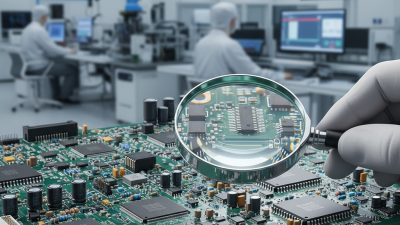
In the assembly line, visual checks should be routine. Inspectors must verify soldering quality. Hot air rework stations can be used for repairs, but overuse may lead to board damage. Implementing automated optical inspection systems can enhance accuracy, yet they are not foolproof. Human eyes can catch what machines might miss.
Documenting each step of the process is essential. Detailed records help trace issues back to their source. Occasionally, components may fall short of quality standards. Analyzing these failures can improve future production. Quality assurance is an ongoing journey, not a destination. Constant reflection and adjustment are key to success in PCB assembly.
Troubleshooting issues in PCB manufacturing and assembly can be challenging. Common problems include misalignment, soldering defects, and component failures. These can lead to costly delays. Learning to identify and fix these issues can improve overall efficiency.
One tip for avoiding misalignment is to ensure accurate registration methods during the assembly process. Regularly calibrating your equipment helps maintain precision. For soldering defects, consider using the right temperature settings. Too high or low can cause joint issues. A review of the solder paste application can also provide insights.
Additionally, monitoring component quality is crucial. Defective parts can lead to failures down the line. Implementing regular inspections can catch these issues early. Reflecting on past mistakes helps prevent future ones. Maintaining an open line of communication among team members can also enhance problem-solving efforts.