Top Smart Plug Outlet Features That Every Buyer Should Know?
In today's rapidly evolving world of smart home technology, the Smart Plug Outlet has become a must-have device. These compact gadgets provide convenience and enhance energy efficiency. With the right features, they can transform any regular appliance into a smart device, allowing for remote control and automation.
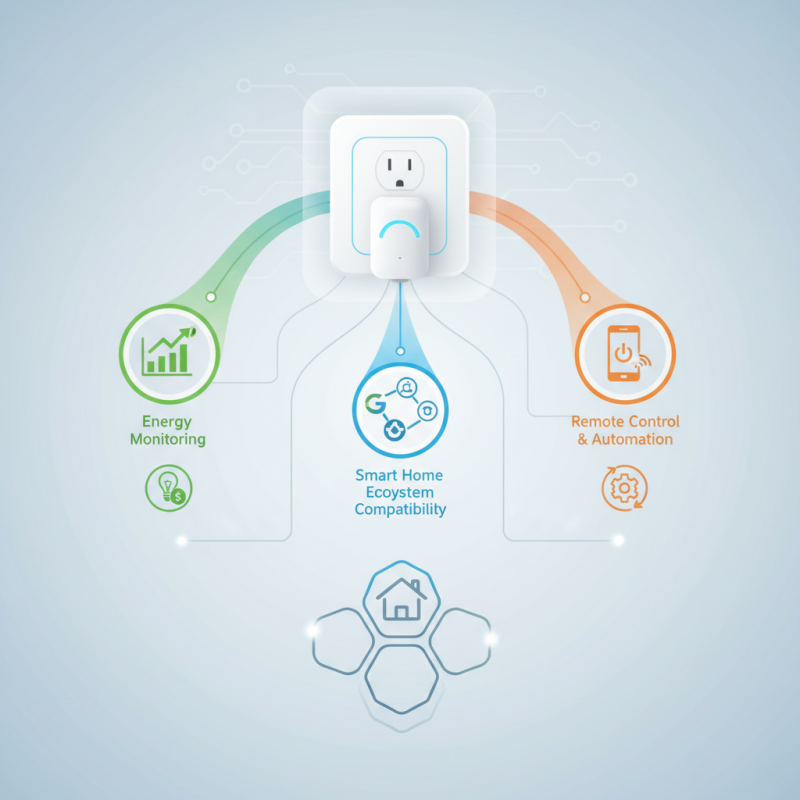
However, navigating the myriad of options can be daunting. Many buyers overlook critical functionalities that can make a significant difference. For instance, the importance of energy monitoring in a Smart Plug Outlet cannot be overstated. This feature helps users track energy consumption, leading to more informed decisions about usage.
Additionally, compatibility with various smart home ecosystems is crucial. Some plugs work seamlessly with platforms like Google Home or Amazon Alexa, providing flexibility. Yet, not all Smart Plug Outlets offer this capability, leading to potential frustration. Understanding these key traits can empower consumers to make informed purchases, ensuring their investment enhances their lifestyle effectively.
Key Features of Smart Plug Outlets to Consider Before Buying
When considering a smart plug outlet, a few key features stand out. One major feature is energy monitoring. Many smart plugs can track energy consumption. This allows users to see which devices use the most power. Understanding usage helps in making energy-efficient choices.
Another important aspect is remote access. Many smart plugs connect through mobile apps. This lets users control devices from anywhere. Imagine turning off a lamp or starting a coffee maker while you’re out. It adds convenience but also requires a reliable internet connection.
Tips: Always check the compatibility of smart plugs with your devices. Not all plugs work with every appliance. Look for user reviews to gauge performance. This feedback can reveal potential issues others have encountered, guiding your purchase.
Scheduling features are another selling point. Users can set timers for devices to turn on or off. This helps manage energy use and brings automation into daily routines. However, consider if you truly need this. Will it simplify your life, or just add complexity? Reflect on your habits before investing.
Understanding Energy Monitoring Capabilities in Smart Plugs
Smart plugs are handy devices that simplify home automation. One of their key features is energy monitoring. This capability allows users to track the energy consumption of connected devices. By doing so, you can identify which appliances consume the most power. This information can lead to more informed decisions on usage, helping to reduce energy bills.
Understanding energy monitoring can be crucial. Many smart plugs provide insights through apps. You can see real-time usage and historical data. This feature can be eye-opening. For instance, you may discover that a rarely used device consumes more electricity than expected. Such revelations can encourage behavior changes, prompting users to unplug or replace inefficient devices.
While energy monitoring is valuable, it's not always straightforward. The accuracy of readings can vary based on the plug's quality. Some may not account for how devices cycle on and off. This can lead to confusion when assessing overall usage. Thus, it’s essential to verify the reliability of information provided by the smart plug. Knowing these nuances helps maximize your energy savings and can drive responsible consumption habits in your household.
Top Smart Plug Outlet Features That Every Buyer Should Know
| Feature | Description | Energy Monitoring | Control Method |
| Voice Control | Allows operation via voice commands using smart assistants. | Yes | Voice Assistants (e.g., Alexa, Google Assistant) |
| Remote Access | Control appliances from anywhere using a smartphone app. | Yes | Mobile App |
| Scheduling | Set timers to turn devices on or off automatically. | Yes | Mobile App |
| Energy Consumption Tracking | Monitor energy usage of plugged devices to optimize consumption. | Yes | Mobile App |
| Overload Protection | Prevents devices from drawing too much power. | No | N/A |
Compatibility with Smart Home Ecosystems and Devices
When purchasing a smart plug outlet, compatibility with smart home ecosystems should be a priority. According to a report by MarketsandMarkets, about 70% of consumers prefer devices that work seamlessly with existing smart home systems. This integration is critical, as it ensures hassle-free management through a single interface. A plug that doesn't sync well with established ecosystems can lead to frustration and inefficiency.
To maximize functionality, look for plugs that support major platforms such as Amazon Alexa, Google Home, and Apple HomeKit. The compatibility of your smart plugs can significantly impact overall performance. Up to 52% of users report connectivity issues with incompatible devices. This is a clear sign of the importance of ensuring that your selected smart plug aligns with your existing gadgets.
Tip: Check online compatibility charts before making a purchase. This can save you from the disappointment of an incompatible device. Remember, not all smart plugs offer the same range of compatibility. Some may work best with specific devices, leading to potential limitations in your smart home setup. A little research can make a significant difference in your experience and satisfaction with your smart home ecosystem.
Importance of Wireless Connectivity Options in Smart Plugs
Wireless connectivity options play a crucial role in the functionality of smart plugs. Users often overlook this aspect, focusing solely on size or design. However, connectivity determines how easily a smart plug integrates with your home network. A reliable connection ensures that you can control devices remotely or set schedules.
The most common types of wireless connections are Wi-Fi and Bluetooth. Wi-Fi-enabled smart plugs offer extensive control, allowing you to manage multiple devices from a single app. Conversely, Bluetooth connections are limited in range but can be ideal for smaller setups. Each option has its strengths, but the choice largely depends on your specific needs.
It's essential to reflect on how often you change your devices or how far the smart plug is from your router. Range and compatibility can sometimes be problematic. Thus, before purchasing, consider how these factors align with your lifestyle. Taking the time to evaluate your requirements can save you frustration in the long run.
Safety Features and Certifications to Look for in Smart Plug Outlets
When choosing a smart plug outlet, safety features are crucial. Look for outlets that have certifications like UL, ETL, or CE. These marks indicate that the product has undergone rigorous testing for safety. A certified smart plug reduces the risk of electrical fires and malfunctions.
Thermal protection is another vital feature. This technology helps prevent overheating. It automatically shuts off power when temperatures exceed a certain threshold. Not all smart plugs have this feature, so it's important to verify. Overheating can cause appliances to fail or, worse, result in hazardous situations.
Surge protection is essential as well. Power surges can damage your devices. A smart plug with built-in surge protection can help safeguard your valuable electronics. However, not every outlet provides this level of protection. Check the specifications carefully to avoid potential loss. Safety should always be a top priority, even in smart technology.