What is Plaster Board and How to Choose the Best Options?
Plaster Board is a versatile material used widely in construction. It offers numerous benefits, including ease of installation and cost-effectiveness. Many builders and homeowners favor it for interior walls and ceilings. However, not all Plaster Board options are the same. With various types available, choosing the right one can be overwhelming.
Understanding the characteristics of Plaster Board is crucial for making informed decisions. It is essential to consider factors like moisture resistance, fire ratings, and thickness. Each type serves different purposes and settings. Professionals often recommend specific options based on environmental needs.
A thoughtful choice can lead to improved durability and aesthetics. However, it’s easy to overlook details, leading to regret later. Taking time to explore various options helps avoid costly mistakes. Ensuring you select the best Plaster Board can create a solid foundation for any project.
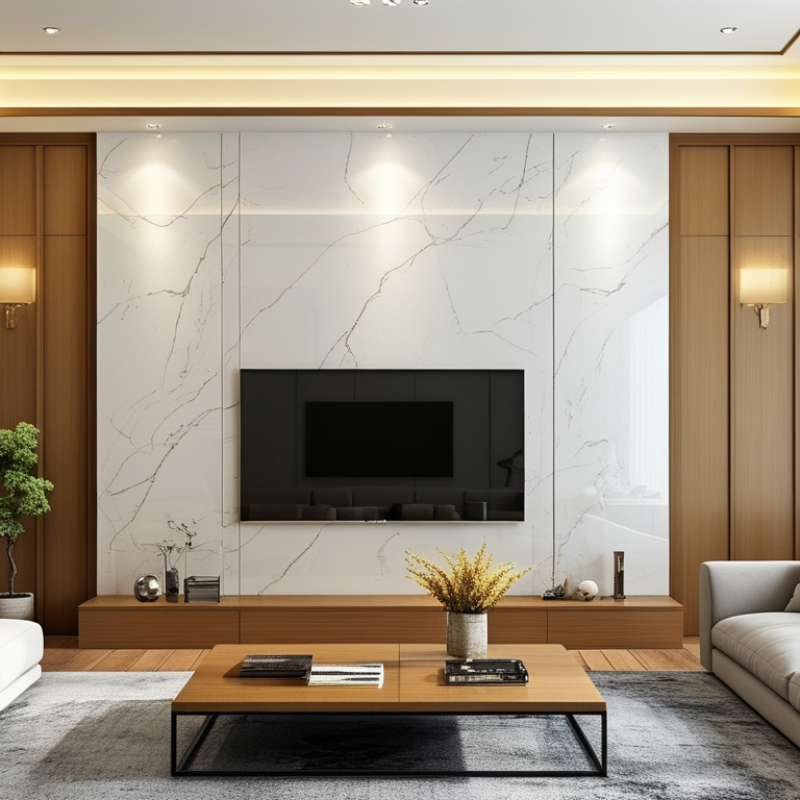
What is Plaster Board? Definition and Common Terminology
Plaster board, often referred to as drywall, is a building material made from a core of gypsum plaster sandwiched between two sheets of thick paper. It is widely used for constructing walls and ceilings. This lightweight product is integral to modern construction due to its ease of handling and versatility. When looking at plaster board, common terminology includes "thickness," "edge type," and "fire rating." These terms help define the board's application and suitability for different projects.
Choosing the right plaster board involves understanding these terms and considering specific requirements. For instance, boards can vary in thickness, typically ranging from 1/4 to 5/8 inches. Thicker boards are better for soundproofing and fire resistance. Edge types also matter; tapered edges allow for smooth joints, while square edges offer straightforward installations. Additionally, you might encounter moisture-resistant boards designed for high-humidity areas, like bathrooms. The choice is not always clear-cut. Reflecting on your project's demands will reveal the best options for durability and performance.
Historical Development of Plaster Board and Its Industry Standards
The historical development of plaster board traces back to the early 20th century. Initially used for interior wall finishes, plaster board gained popularity due to its ease of installation and cost-effectiveness. By the 1950s, it had become the standard material for drywall construction. Industry standards, such as those established by ASTM International, ensure quality and safety in plaster board products. Reports estimate that the global drywall market reached a valuation of over $40 billion in 2022, reflecting its ongoing demand and evolution.
In recent years, the plaster board industry has focused on sustainability. Many manufacturers now incorporate recycled materials and eco-friendly practices. The introduction of fire-resistant and moisture-resistant varieties has expanded its applications in diverse settings. For instance, reports show that the fire-rated Gypsum Board market is anticipated to witness a significant growth rate, increasing its market share due to heightened safety standards in building codes.
Tips: When selecting plaster board, consider the specific needs of your project. For areas prone to moisture, opt for water-resistant varieties. Always check for industry certifications to ensure reliability. Additionally, the thickness of the board can affect insulation and soundproofing; thicker boards may prove beneficial in high-traffic areas.
Key Types of Plaster Board: Fire-Resistant, Moisture-Resistant, and More
When selecting plaster board, understanding the key types is crucial. Fire-resistant plaster board is designed to slow the spread of flames. It is often used in areas where fire safety is a concern. These boards contain additives that enhance their fire-retardant properties. However, it’s essential to install them correctly to maximize their effectiveness.
Moisture-resistant plaster board is another important option. This type is ideal for spaces prone to humidity, such as bathrooms and kitchens. It has a special coating that helps resist mold. While it works well under certain conditions, it is not completely waterproof. Careful placement and a proper ventilation system can enhance its performance in damp environments.
In addition to these, there are specialty boards for various applications. Acoustic plaster boards help reduce noise levels in a space. Others are designed for impact resistance in high-traffic areas. Knowing the specific needs of your project can help you choose the right type. Each option has strengths and weaknesses, making it essential to weigh them carefully.
Factors to Consider When Choosing Plaster Board: Performance Data and Charts
When choosing plaster board, several key factors come into play. Performance is crucial. Different types of plaster board offer varying levels of sound insulation and moisture resistance. For instance, fire-rated boards help keep spaces safer. When evaluating these products, look at performance data available in charts. These will give you clear insights into which board meets your specific needs.
Installation ease should also be considered. Some boards are lighter and easier to handle, while others may require additional support. Think about the areas where you will install them. Certain boards work better in high-humidity areas, like bathrooms. Selecting the right type can prevent future issues. It's also essential to reflect on your project's unique requirements, rather than solely relying on standard recommendations.
Budget is another vital aspect. Higher performance often comes at a higher cost. Balancing quality with affordability can be challenging. Research and compare options before making a decision. Be aware that sometimes the cheapest choice may lead to problems later on. Understanding the long-term implications of your choices is essential when investing in plaster board.
Factors to Consider When Choosing Plaster Board
| Type | Thickness (mm) | Fire Resistance | Moisture Resistance | Sound Insulation (dB) | Cost per Sheet ($) |
| Standard Plaster Board | 12.5 | N/A | No | 30 | 8 |
| Fire-Resistant Board | 15 | Class A | No | 32 | 12 |
| Moisture-Resistant Board | 12.5 | N/A | Yes | 30 | 10 |
| Soundproof Board | 15 | N/A | No | 50 | 15 |
| Impact-Resistant Board | 12.5 | N/A | No | 33 | 14 |
Best Practices for Installing Plaster Board for Optimal Durability and Aesthetic
Installing plasterboard requires careful planning and execution. According to the Gypsum Association, proper installation can enhance durability by up to 50%. The surface preparation plays a crucial role in this process. Ensure that the framing is level and properly spaced, typically 16 inches apart for wall applications. This alignment helps prevent cracking and improves the overall aesthetic of the finished surface.
When handling plasterboard, consider the type of joint compound used. Professional studies indicate that compounds with mold-resistant properties can significantly reduce moisture-related issues. Installing drywall tape effectively is also vital. A well-taped joint, according to the National Gypsum Company, can resist cracking during seasonal changes. Be mindful of applying joint tape smoothly. Uneven tape can lead to visible seams that detract from the visual appeal.
Ensuring a seamless finish can be challenging. Some may find that imperfections appear after painting. This could indicate issues in the initial installation. Take time to handle each step carefully. Use multiple thin coats of compound for the best results. Allow adequate drying time between coats to achieve optimal results. While plasterboard is a great choice for many projects, the installation process requires diligence and attention to detail.