What is a Permanent Magnet DC Motor and Its Applications?
Permanent Magnet DC Motors (PMDC) are crucial components in various industries. Their design offers efficient performance and a compact size. According to a recent market report, the PMDC motor market is projected to grow at a CAGR of 6.5% between 2022 and 2030. This growth reflects their rising popularity in applications such as robotics, electric vehicles, and industrial machinery.
The proven reliability of PMDC motors contributes to their widespread use. These motors provide high torque at low speeds, making them ideal for demanding tasks. Many industries benefit from their energy efficiency compared to alternatives. However, challenges remain, such as heat management and cost-effectiveness in larger applications.
Understanding PMDC motors' functionalities is essential. Their applications span from household appliances to automation systems. Continuous innovations in materials and design are shaping their future. Yet, exploring their limitations—like performance under varying load conditions—offers valuable insights for improvement. As the industry evolves, so must our understanding of these motors, ensuring they meet future demands effectively.
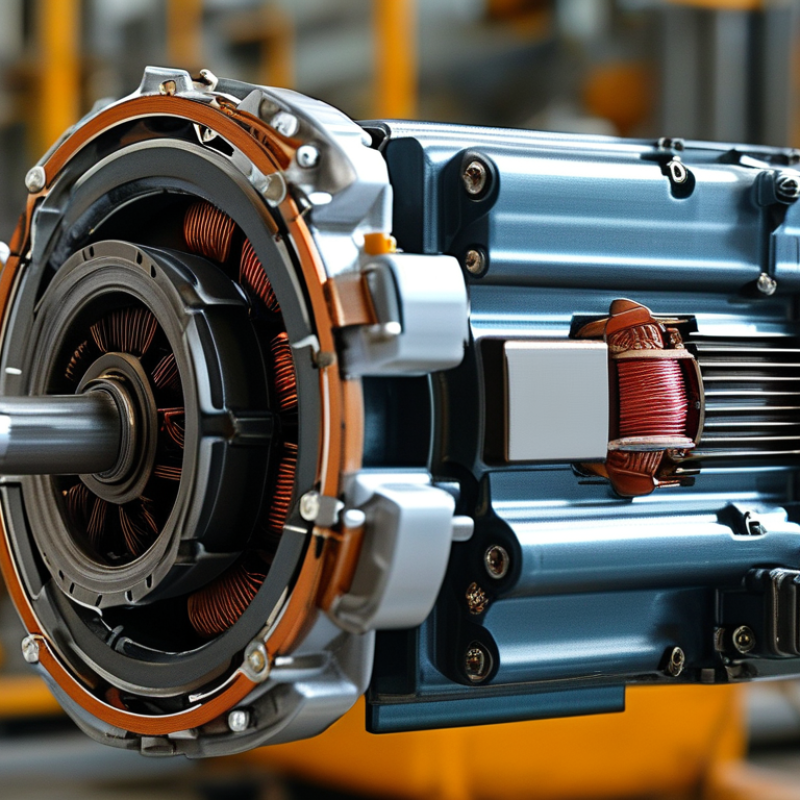
Definition and Working Principle of Permanent Magnet DC Motors
Permanent Magnet DC (PMDC) motors are widely used due to their simplicity and efficiency. They operate on the principle of electromagnetic induction. A permanent magnet creates a magnetic field, while the armature winding generates torque. The interaction between these two elements produces motion. These motors are compact and require less maintenance than other types. According to industry reports, the PMDC motor market is expected to grow significantly, with a projected CAGR of about 6% between 2023 and 2028.
PMDC motors are commonly employed in various applications. They can be found in consumer appliances, automotive systems, and robotics. Their efficiency is notable, with energy consumption rates often reaching up to 90%. However, the efficiency can vary based on load conditions. High-performance applications may require additional design considerations to optimize performance. While they are reliable, factors such as temperature fluctuations and voltage spikes can affect their lifespan and efficiency.
Despite their advantages, there are drawbacks. PMDC motors have a limited speed range compared to other motor types. They also require precise control systems for optimal operation. As technology advances, innovative solutions are being explored to address these limitations. Improvements in materials and designs may enhance performance and expand applications in the future.
Key Components of Permanent Magnet DC Motors and Their Functions
Permanent magnet DC (PMDC) motors are widely recognized for their efficiency and compact design. These motors use permanent magnets to create the magnetic field, which enhances their performance. One key component of PMDC motors is the armature winding. This winding is where the conversion of electrical energy to mechanical energy occurs. Research from the International Journal of Advanced Manufacturing Technology indicates that adjustments to the armature design can boost efficiency by up to 30%.
Another crucial element is the commutator. The commutator works with brushes to ensure smooth rotation and stable performance. It plays a critical role in transforming the DC supply into usable torque. For instance, reports from the IEEE Transactions on Industrial Electronics show that optimized commutator design can reduce wear and tear, extending the motor's lifespan significantly.
In addition, the rotor is pivotal for generating motion. It is designed to spin within the stator's magnetic field. While PMDC motors are praised for their simplicity, their reliance on permanent magnets means that overheating can pose challenges. Manufacturers are now experimenting with thermal management systems to address this issue. Though these solutions show promise, they require further research to optimize effectiveness.
Common Applications of Permanent Magnet DC Motors in Various Industries
Permanent Magnet DC (PMDC) motors are widely used across various industries due to their compact size and high efficiency. These motors rely on permanent magnets instead of windings to produce a magnetic field. As a result, they can operate efficiently in small spaces. Common applications include robotics, where precision control is vital. The low inertia of PMDC motors allows for quick response times, making them ideal for robotic actuators.
Another significant application is in the automotive sector. PMDC motors power windshield wipers, seat adjustments, and cooling fans. Their simplicity and reliability are valuable here. In the home appliance market, small appliances like blenders and vacuum cleaners also benefit from PMDC technology. These motors are reliable yet affordable, making them attractive for manufacturers.
Challenges exist, though. The limited torque at higher speeds can be a drawback in some applications. Additionally, heat management must be considered for long-term use. While PMDC motors offer many advantages, manufacturers must balance performance and efficiency. The growing demand for automation further emphasizes the need for continuous improvement in motor design. This reflects the industry’s ongoing commitment to innovation.
What is a Permanent Magnet DC Motor and Its Applications?
| Application Area | Description | Key Features |
| Automotive | Used in electric vehicles for propulsion and in auxiliary systems like power steering. | High efficiency, compact size, and reliability. |
| Robotics | Drives for robotic arms and mobile robots, providing precision motion control. | High torque at low speeds and easy control. |
| Home Appliances | Found in devices such as washing machines, vacuum cleaners, and food processors. | Quiet operation and efficient energy use. |
| Industrial Equipment | Used in conveyor systems, pumps, and HVAC systems. | Durability and ability to operate under varying load conditions. |
| Medical Devices | Power surgical instruments and diagnostic machines such as MRI and ultrasound devices. | Precision and reliability during operation. |
Advantages and Disadvantages of Using Permanent Magnet DC Motors
Permanent Magnet DC (PMDC) motors offer several advantages, particularly in terms of efficiency and size. They are compact and lightweight due to the use of permanent magnets. This design leads to high torque at low speeds, making them ideal for applications like robotics and electric vehicles. According to industry reports, PMDC motors can achieve efficiencies exceeding 90%, which is appealing for energy-conscious designs. They also provide smooth and quiet operation, minimizing noise pollution in sensitive environments.
However, the use of PMDC motors is not without drawbacks. One major disadvantage is the reliance on permanent magnets, which can be costly. Fluctuations in raw material prices, particularly rare earth elements, can impact the affordability of these motors. Additionally, the design limits their ability to operate at high temperatures without a decline in performance. As reported by the Electrical Engineering industry, this can restrict their applications in high-heat environments, such as industrial settings.
Furthermore, PMDC motors require precise control systems, adding complexity to the overall design. While advances in technology have mitigated some of these challenges, it's essential to consider the balance between performance and cost. Understanding these trade-offs is crucial for engineers and designers when selecting the appropriate motor type for specific applications.
Recent Developments and Innovations in Permanent Magnet DC Motor Technology
Recent advancements in Permanent Magnet DC (PMDC) motor technology have greatly enhanced efficiency and performance. Innovations in magnet materials, such as rare-earth magnets, have led to higher power densities. This shift allows motors to operate at lower energy consumption levels. Furthermore, the adoption of advanced control techniques has improved torque management and speed response, making PMDC motors more versatile.
The integration of smart technology is another area of growth. Sensors and IoT devices are often paired with PMDC motors for real-time monitoring. This is crucial for applications in robotics and automation, where precision is key. However, the complexity of integrating these technologies poses challenges. Not all manufacturers have the expertise to implement these innovations effectively.
Tips for users: Always assess the compatibility of PMDC motors with your existing systems. You may need some adaptations for optimal performance. Consider future scalability; a motor that meets current needs may fall short later. As technology evolves, keep an eye on emerging trends. Staying informed can help you make better choices.
Applications of Permanent Magnet DC Motors
This bar chart illustrates the various applications of Permanent Magnet DC Motors across different sectors. Industrial automation takes the lead with 30%, followed by electric vehicles with 25%. Robotics and HVAC systems hold 20% and 15% respectively, while home appliances account for the remaining 10%. These statistics reflect the growing importance and versatility of PMDC motors in modern technology.