Top 10 Benefits of PCB Prototyping for Global Buyers?
In today's fast-paced electronics market, PCB prototyping has emerged as a crucial process for global buyers. According to a report by Market Research Future, the PCB prototyping market is expected to grow by over 15% annually through 2025. This surge emphasizes the need for efficient and reliable prototyping practices.
Expert in the field, Dr. Jane Yu, states, "Effective PCB prototyping reduces development time and enhances product innovation." The benefits of PCB prototyping extend beyond just speed. They include cost efficiency, risk reduction, and improved design accuracy. Companies can quickly test designs and make adjustments before mass production, leading to fewer errors and better final products.
However, challenges persist. Some businesses struggle with selecting the right prototyping partner, impacting quality and timelines. As the industry evolves, it’s crucial to reflect on these hurdles. Ensuring effective communication and understanding between buyers and manufacturers can significantly enhance outcomes in PCB prototyping.
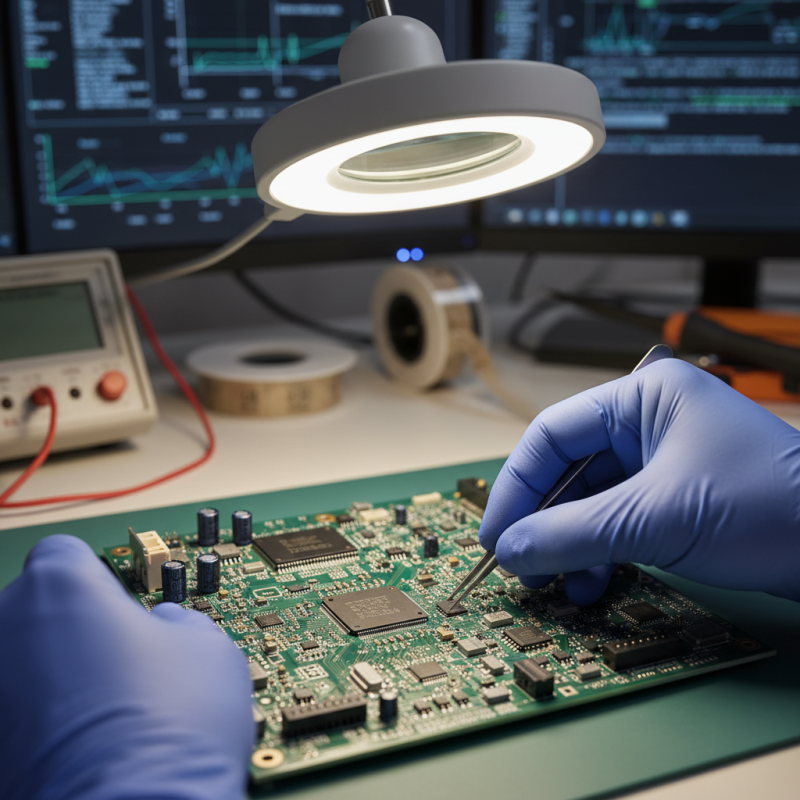
Understanding PCB Prototyping: A Key Process for Global Buyers
PCB prototyping plays a crucial role for global buyers. This process allows designers to test and refine their electronic circuits before mass production. By investing in prototypes, companies can identify potential issues early on. They can modify designs based on real-world performance. Fast changes lead to cost savings.
Using PCB prototyping can enhance product reliability. It allows teams to experiment with different materials. This typically results in better performance and more efficient manufacturing. However, the prototyping process can sometimes lead to unexpected challenges.
For example, a design may work perfectly in theory but fail during testing. These setbacks can provide valuable learning experiences.
Global buyers benefit from shorter time-to-market with effective prototyping. Rapid iteration allows for quick adjustments to align with customer needs. However, this requires close collaboration across teams. Communication gaps might lead to errors. Finding the right balance between speed and accuracy is essential. Ultimately, PCB prototyping is a vital step in the path to successful electronic products.
Reduced Development Time: How Prototyping Speeds Up the Design Cycle
Prototyping in PCB design can significantly reduce development time. The average design cycle for electronic products can take several months.
Research shows that iterative prototyping can cut this time by up to 50%.
Faster cycles allow for quicker testing and modifications. This acceleration fosters innovation and helps bring products to market ahead of competitors.
A notable study by the Institute of Electrical and Electronics Engineers (IEEE) indicates that teams utilizing rapid prototyping techniques achieve designs that meet requirements more effectively.
Real-time feedback from prototypes ensures that any design flaws are caught early. This allows teams to refocus their efforts on the key aspects of product development, rather than correcting errors late in the game.
Tip: When engaging in PCB prototyping, prioritize clear documentation. This clarity leads to fewer mistakes and saves time on revisits. Focus on collaboration among team members.
Effective communication helps in swiftly resolving issues. Ultimately, the goal is to refine the prototype efficiently to streamline the subsequent phases of development.
Cost-Effective Solutions: Saving Money Through PCB Prototyping
PCB prototyping presents a smart way to control expenses for global buyers. By creating small quantities of printed circuit boards, companies can test designs effectively without huge upfront investments. This method minimizes financial risks often associated with large-scale production. Potential mistakes can be identified early, allowing for corrections before full-scale manufacturing.
One notable aspect is the reduction in wasted resources. With accurate prototypes, engineers can evaluate performance and functionality. This leads to better decision-making regarding design changes before committing to larger batches. Moreover, rapid prototyping allows for quick iterations, ensuring that products meet market demands promptly. However, not every prototype will meet expectations, making it essential to have a good evaluation process in place.
Global buyers can also benefit from shorter lead times in PCB prototyping. This speediness can enhance a company’s competitive edge. Quick feedback cycles enable faster adjustments and alignment with consumer needs. Nonetheless, some may overlook the importance of thorough testing, which can result in unforeseen issues. Balancing speed and accuracy is crucial in the prototyping phase.
Enhanced Design Flexibility: Adapting Designs Based on Initial Tests
PCB prototyping offers enhanced design flexibility, allowing engineers to adapt designs based on initial tests. This adaptability is crucial in the fast-paced electronics industry. By testing early prototypes, designers can identify flaws and make necessary changes. This iterative approach leads to better final products and reduces costly errors in later production stages.
Tips: Always document insights from initial prototypes. This data can guide future projects and prevent recurring mistakes. Regularly update design specifications based on test outcomes to ensure continuous improvement.
Moreover, prototype testing often reveals unexpected challenges. These might stem from component interactions or thermal issues. Addressing these problems early can save time and resources. Rethink design strategies if initial tests do not meet expectations. Flexibility in approach fosters innovation.
Tips: Engage different team members in the prototyping phase. Fresh perspectives can uncover hidden issues. Encourage an open dialogue about design adjustments, as collaboration enhances the final product's quality.
Improved Quality and Performance: Testing and Refining PCB Designs
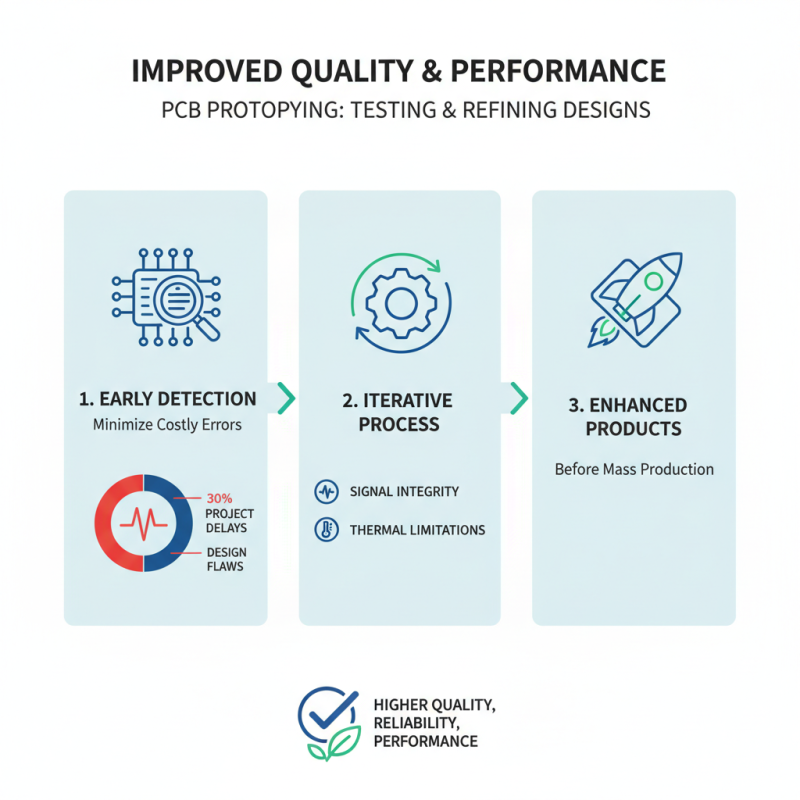
PCB prototyping plays a crucial role in enhancing the quality and performance of electronic products. By allowing designers to test and refine their PCB designs, it minimizes costly errors down the line. According to industry reports, around 30% of electronics project delays stem from design flaws that could be identified earlier through effective prototyping. This iterative process helps engineers discover potential issues such as signal integrity problems or thermal limitations before mass production.
Tips: Employ simulation software during the design phase. This can help visualize circuit performance under various conditions.
Additionally, PCB prototypes provide tangible models to evaluate physical components and connections. This can lead to unexpected insights, prompting improvements that may not have been considered during initial designs. Research shows that about 40% of PCB design changes arise from hands-on testing. Engaging in this practical approach can streamline the overall production process and enhance product reliability.
Tips: Schedule multiple testing phases. Early prototype variations can reveal essential design adjustments before finalizing production models.
While prototyping is beneficial, not every design yields perfect results on the first attempt. It's essential for engineers to embrace iterative feedback. Sometimes, the most significant breakthroughs come from analyzing failures rather than just successes. This mindset can transform potential setbacks into valuable lessons for future projects.