What is an O-Shaped Pipe Clamp and Its Applications?
O-Shaped Pipe Clamps are vital in various industrial applications. Designed for securing pipes, they are crucial in construction and plumbing sectors. These clamps enhance safety and efficiency by preventing leaks and ensuring stability.
According to a recent market analysis, the global demand for pipe clamps is expected to grow by over 5% annually. The rise is attributed to ongoing infrastructure developments and renewable energy projects. O-Shaped Pipe Clamps play a significant role in these sectors, providing reliable support and adjustment capabilities.
However, not all O-Shaped Pipe Clamps meet industry standards. Some materials and designs may compromise durability and safety. It’s essential for engineers and contractors to choose high-quality products. A lack of attention to detail can lead to costly failures. Awareness of these issues is crucial for optimal performance in any application involving O-Shaped Pipe Clamps.
What is an O-Shaped Pipe Clamp?
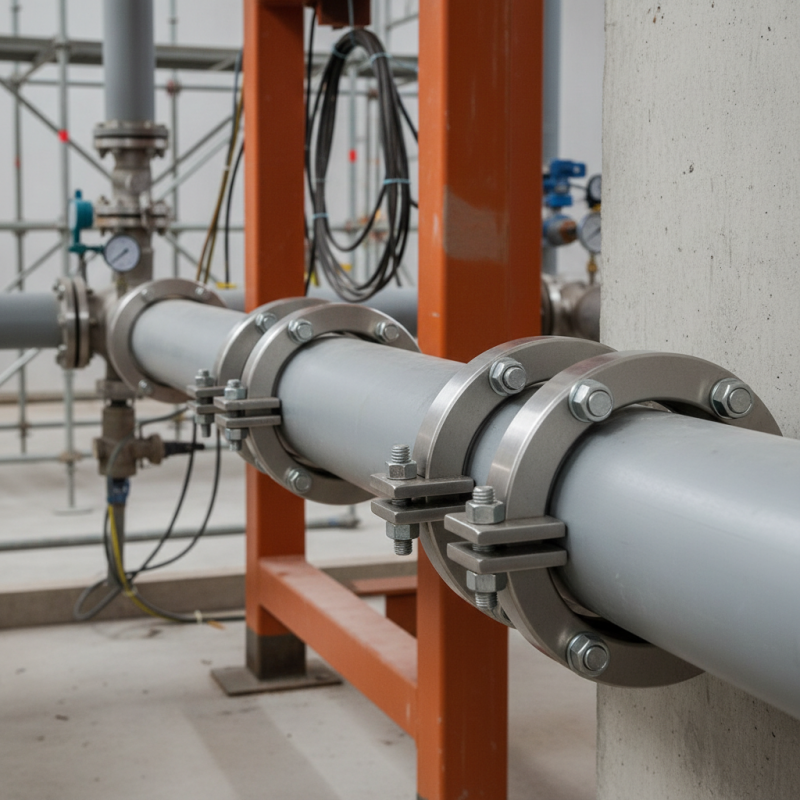
An O-Shaped pipe clamp is a unique device designed to secure pipes and tubes. This clamp has a circular shape, which allows for a snug fit around the pipe. Its design promotes even distribution of pressure, reducing the risk of damage to the pipe material. The O-shape serves a practical purpose while also being visually appealing, making it suitable for various applications.
These clamps are often used in plumbing and HVAC systems. They help in maintaining secure connections, thereby preventing leaks. O-Shaped clamps also find applications in automotive parts and industrial settings. They are versatile and can be used with different pipe sizes. However, compatibility with materials is an area where caution is needed. Not all clamps are suitable for every type of pipe.
While they offer practical benefits, it’s important to consider their limitations. For instance, the specific size of the clamp must match the pipe it’s used on. Misalignment can cause issues like slippage or excessive wear. It's worth reflecting on whether the advantages outweigh potential downsides in certain scenarios. Proper selection and installation can maximize the effectiveness of O-Shaped pipe clamps.
Design and Structure of O-Shaped Pipe Clamps
The O-shaped pipe clamp is a versatile tool in various industries. Its design features a circular shape that securely grips pipes. Made of strong materials, it ensures durability and reliability. The structure typically includes a central body with two adjustable arms. These arms can fit different pipe sizes, making the clamp adaptable. This adaptability contributes to its widespread use in plumbing and construction.
When selecting an O-shaped pipe clamp, one must consider the material and size. Both factors impact performance and longevity. Stainless steel offers rust resistance, while polypropylene provides lightweight options. Installation can be straightforward, but improper fitting may lead to leaks or instability. Users should pay attention to the specifics of the application to ensure a proper fit. Over-tightening can also cause damage, so careful handling is essential.
Common applications include securing pipes in heating systems, water supply lines, and automotive layouts. Their reliability in these contexts underscores the importance of proper design and structure. The effectiveness of the O-shaped pipe clamp lies in its ability to maintain a firm hold while allowing for flexibility in pipe configurations. Ultimately, understanding these elements can lead to more effective usage in real-world scenarios.
Common Materials Used in O-Shaped Pipe Clamps
O-shaped pipe clamps are crucial in various industrial applications. They secure pipes in place, preventing movement and ensuring stability. These clamps come in diverse materials, each offering unique advantages.
Commonly used materials include stainless steel, plastic, and rubber. Stainless steel is known for its durability and resistance to corrosion. According to a report by the Industrial Fasteners Institute, stainless steel clamps can withstand extreme temperatures and pressures, making them ideal for high-demand environments.
Plastic clamps are lightweight and cost-effective. They are often used in residential applications, especially in plumbing and HVAC systems. Data from the Plastics Industry Association indicates that the demand for plastic clamps has risen significantly over the years. This growth reflects the trend towards lighter and more versatile materials in construction.
Rubber clamps provide excellent shock absorption. They conform to pipe shapes, reducing vibrations. However, they may degrade over time, especially under ultraviolet light. A study from the American Society for Testing and Materials highlights the need for proper material selection to ensure longevity in various applications. Each material has its pros and cons, making it essential to choose wisely based on specific project requirements.
Common Materials Used in O-Shaped Pipe Clamps
Applications of O-Shaped Pipe Clamps in Various Industries
O-shaped pipe clamps play a vital role in various industries due to their efficient design. These clamps excel in securing pipes or hoses, providing stability and reducing vibrations. With a structure that resembles the letter "O," they can easily conform to different shapes and sizes. This adaptability makes them essential in automotive, aerospace, plumbing, and HVAC applications.
In the automotive industry, O-shaped pipe clamps are crucial for holding exhaust pipes securely. They prevent leakage, which can lead to engine inefficiency. In HVAC systems, these clamps support ductwork, ensuring airflow remains unobstructed. They provide the necessary grip to handle temperature and pressure changes. However, improper installation can lead to misalignment, causing operational issues.
The manufacturing sector also benefits from O-shaped pipe clamps, especially in fluid handling systems. Their reliable grip aids in maintaining the integrity of critical pipelines. Yet, some users may overlook the importance of selecting the appropriate clamp size. Using the wrong size can lead to pipe damage and inefficiency. Continuous reflection on proper usage ensures a longer lifespan and safer operations in any application.
Benefits of Using O-Shaped Pipe Clamps Over Other Clamps
O-shaped pipe clamps stand out in various industrial applications for their unique design and robust performance. They offer specific advantages over traditional pipe clamps. For instance, their circular shape provides uniform pressure distribution. This minimizes the risk of damage to the pipes, ensuring longevity. According to a report from the American Society of Mechanical Engineers, improper clamping can lead to pipe failures, costing industries thousands in repairs and downtime.
The versatility of O-shaped pipe clamps is another key benefit. They can accommodate different pipe sizes and types, from metal to plastic. This flexibility is essential in construction, plumbing, and HVAC applications. Studies indicate that using O-shaped clamps can decrease installation time by 20%. This efficiency not only saves resources but also enhances project timelines, allowing for faster turnarounds.
However, not all applications benefit equally from O-shaped clamps. Their effectiveness can diminish under certain conditions, such as high-pressure environments. It’s crucial to evaluate the specific needs of each project. Engineers must consider factors like pipe material and stress levels. While O-shaped clamps are reliable, understanding their limitations helps prevent failures in critical situations.
What is an O-Shaped Pipe Clamp and Its Applications? - Benefits of Using O-Shaped Pipe Clamps Over Other Clamps
| Dimension | Description | Applications | Benefits Over Other Clamps |
| Material | Typically made from steel or stainless steel for durability | Used in plumbing, HVAC systems, and automotive applications | High strength and corrosion resistance |
| Size Range | Available in various sizes from small to large diameters | Suitable for securing pipes in different environments | Versatile fit for numerous pipe sizes |
| Design | O-shaped, providing even distribution of pressure | Ideal for sensitive installations where pipe integrity is critical | Reduces the risk of damage to pipes |
| Installation | Easy to install with minimal tools | Commonly used in DIY projects and professional installations | Saves time and labor costs during installation |