What is Industrial Dynamic Checkweighing at the 139th Canton Fair?
At the 139th Canton Fair, attendees will witness the latest advancements in Industrial Dynamic Checkweighing technology. This innovative approach enhances product quality control by providing real-time weight verification during production. Industries today face increasing pressure to maintain high standards. Reports indicate that over 30% of manufacturing errors arise from weight inconsistencies, leading to significant financial losses.
Industrial Dynamic Checkweighing not only improves accuracy but also boosts overall efficiency. Many companies report a 25% reduction in waste when implementing this technology. As businesses strive for excellence, integrating checkweighers becomes essential. However, challenges remain. Many manufacturers struggle with adapting to new systems. The rapid evolution of industry standards can overwhelm smaller operations.
The Canton Fair highlights these technologies, connecting suppliers with cutting-edge solutions. With the introduction of AI features, navigating these innovations will be easier. Visitors can quickly find compliant vendors. This integration of technology at the Fair aims to improve transition efficiency within the massive exhibition space. Thus, embracing Industrial Dynamic Checkweighing is not just a choice; it's a necessity for future competitiveness.
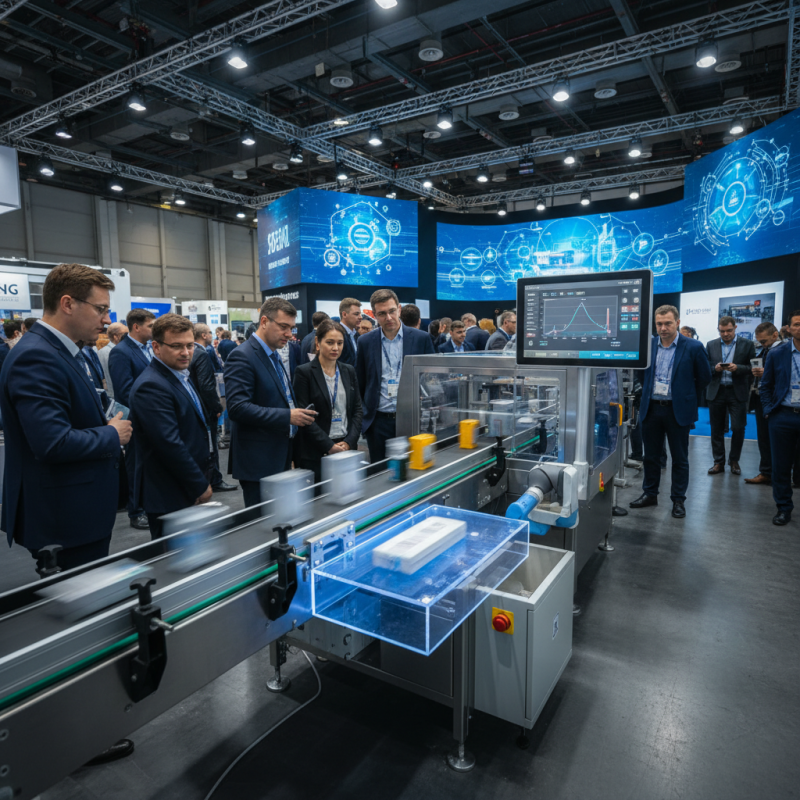
Overview of Industrial Dynamic Checkweighing Technologies
Industrial dynamic checkweighing is revolutionizing quality control in manufacturing. This technology accurately measures the weight of products moving along production lines. A recent report shows that dynamic checkweighers can achieve accuracy levels of up to 99.9%. Such precision is crucial for industries like food and pharmaceuticals.
Dynamic checkweighing systems work in real time. They assess the weight of products as they move at high speeds. Many systems can handle up to 600 packages per minute. This speed ensures minimal disruption to production flow. An industry study found that incorporating these systems can reduce waste by 30%. Manufacturers often face challenges, like calibration errors or sensor malfunctions. These issues can lead to incorrect weight readings and affect product compliance.
Adopting dynamic checkweighing in factories can significantly improve operational efficiency. Many companies still lag in technology integration. They might hesitate due to costs or complexity. However, investing in these technologies can lower long-term operational costs. With regulations tightening, the pressure to ensure compliance is higher than ever. Companies must adapt or risk falling behind competitors.
Industrial Dynamic Checkweighing Technologies Overview
| Technology Type | Accuracy (%) | Speed (Units/Min) | Applications | Features |
| Static Checkweighing | ±0.1% | 15 | Food, Pharmaceuticals | High precision |
| Dynamic Checkweighing | ±0.5% | 60 | Logistics, Manufacturing | Fast processing |
| Multi-lane Checkweigher | ±0.2% | 120 | Beverages, Cosmetics | High throughput |
| Pressure-sensitive Checkweigher | ±0.3% | 45 | Packaging, Textile | Versatile design |
| Inline Checkweighing | ±0.1% | 80 | Automotive, Electronics | Integration with production |
Applications of Dynamic Checkweighing in Manufacturing Industries
Dynamic checkweighing plays a crucial role in manufacturing industries. This technique measures the weight of products as they move along production lines. It helps ensure that items meet required specifications and maintain quality standards. Many manufacturers rely on checkweighers for accuracy. However, challenges often arise in calibrating and maintaining the equipment.
Different sectors benefit from dynamic checkweighing. Food processing companies use it to prevent underweight packages. In pharmaceuticals, it ensures dosage accuracy. Despite its advantages, some manufacturers face difficulties integrating these systems into existing workflows. Human errors can also affect measurements. Regular training and equipment updates are necessary.
Even with advanced technology, unexpected errors may occur. Factors like product density and environmental conditions can impact weighing accuracy. Manufacturers must assess these variables carefully. Continuous improvement and reflection on procedures are vital for success. Adjustments may be needed to enhance reliability in dynamic checkweighing systems.
Key Features and Benefits of Dynamic Checkweighing Systems
Dynamic checkweighing systems are essential in industrial settings. They ensure products meet weight specifications. This technology provides accurate measurements at high speeds. At the 139th Canton Fair, several key features highlight its advantages.
First, real-time monitoring is a crucial aspect. It helps reduce errors. Companies can catch weight discrepancies immediately. This prevents costly mistakes. The systems are adaptable. They can measure various product types, from packaged goods to bulk materials. This versatility enhances production efficiency.
Tips: Regular calibration of these systems is vital. This practice ensures ongoing accuracy. Also, training staff on proper use can minimize operator errors. Consider integrating these systems into existing workflows for maximum benefit.
Finally, the data generated by dynamic checkweighing systems can help improve processes. Analyzing this information reveals trends over time. However, not all industries implement these systems uniformly. Some may struggle with integration or face resistance. Reflecting on these challenges can lead to better solutions in the future.
Trends and Innovations in Checkweighing at the Canton Fair
At the 139th Canton Fair, the focus on industrial dynamic checkweighing brought exciting trends and innovations. Visitors witnessed cutting-edge devices designed to improve accuracy and efficiency. The dynamic checkweighers were showcased in various configurations. Some units are compact, while others are designed for high-volume production lines. This diversity caters to different industry needs.
One interesting trend is the integration of automation in checkweighing systems. Automated checkweighers offer real-time data analytics. This data helps manufacturers optimize their production processes. Yet, challenges remain. Not all companies can employ these advanced systems effectively. Many small businesses struggle with technology adoption. They need more training and resources.
Sustainability also emerged as a key theme. Solutions are being developed with eco-friendly materials. Yet, the balance between sustainability and performance can be tricky. Manufacturers must reflect on how to meet both requirements. This is not an easy task. The innovations presented at the fair highlight a promising future for the industry while emphasizing the need for continuous improvement and adaptation.
Importance of Quality Control through Checkweighing Solutions
Industrial dynamic checkweighing has grown in significance, especially in quality control processes. This method ensures that products meet weight specifications consistently. By implementing dynamic checkweighers, manufacturers can detect weight discrepancies immediately. Regular monitoring helps maintain high standards.
Quality control through checkweighing is not just a technical requirement; it is crucial for consumer trust. When products are consistently under or overweight, it can lead to serious issues. Consumers expect products to meet advertised weights. Inconsistent weights can damage a brand's reputation.
Many businesses still struggle with implementing effective checkweighing solutions. Some overlook the importance of regular calibration. Others fail to integrate checkweighing into their production lines effectively. These oversights lead to increased waste and potential regulatory issues. Investing in robust checkweighing systems can mitigate these risks.