China Top Flexible PCBA Manufacturers How to Choose?
Choosing among China’s top Flexible PCBA manufacturers requires more than comparing prices or reviewing attractive product photos. A dependable partner must control material selection, circuit layout, lamination, assembly, and final inspection. Small details matter. Think of a thin polyimide circuit bending inside a medical device or wearable product. One weak solder joint can fail after repeated movement. One careless handling step can leave hidden creases.
Joe Fjelstad, a respected flexible electronics expert, offers a practical principle: “Design for manufacturability must begin before the first prototype.” This idea should guide every supplier evaluation. Ask whether the manufacturer reviews bend radius, copper thickness, adhesive flow, and component placement before production. Request traceable test records, sample approval procedures, and clear communication about engineering changes. Certifications can support trust, but they cannot replace evidence from real projects.
Experience matters.
A strong Flexible PCBA supplier should explain limitations honestly. Can its line manage rigid-flex transitions? How does it test dynamic bending? What happens when a prototype fails? Vague answers are warning signs. Still, no supplier is perfect, and buyers may overlook their own unclear drawings or rushed deadlines. That deserves reflection.
The best choice balances engineering competence, process stability, production capacity, and communication. Visit the factory when possible. Study sample cross-sections. Compare actual inspection data, not promises. This approach helps buyers identify a China-based manufacturing partner that can protect performance from the first prototype through dependable volume production.
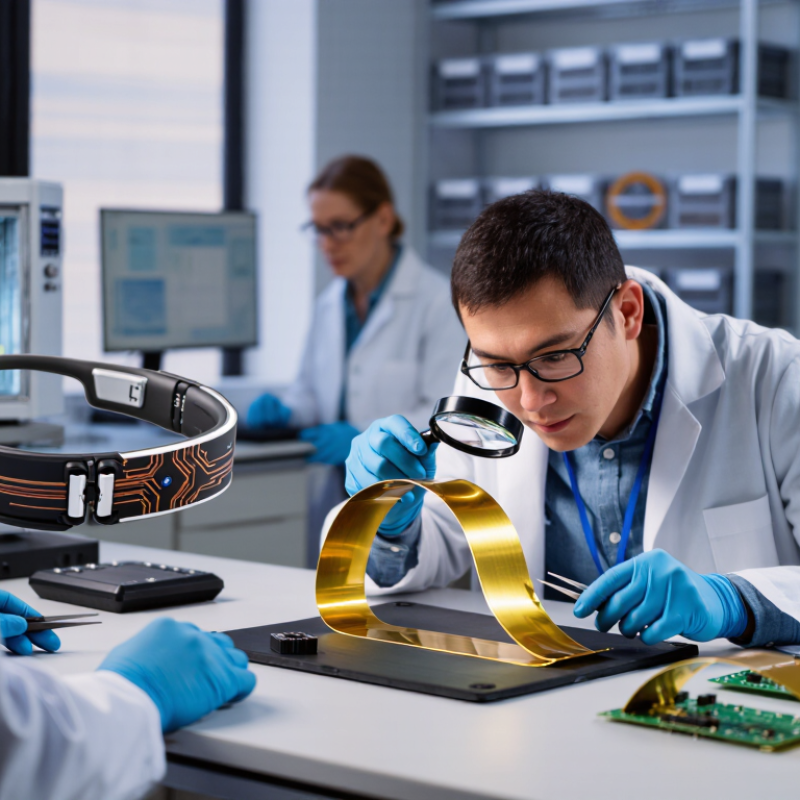
What Is Flexible PCBA and Why Does Manufacturer Selection Matter?
Flexible PCBA combines a flexible printed circuit with mounted electronic components. It bends, folds, and fits spaces that rigid boards cannot reach. This makes it useful in medical instruments, automotive interiors, wearable devices, and compact industrial equipment. According to Allied Market Research, the global flexible electronics market could grow from about USD 26.8 billion in 2021 to USD 63.3 billion by 2031. The opportunity is large. The engineering risks are real.
Manufacturer selection matters because flex performance depends on process control, not only the copper layout. A qualified supplier should understand IPC-2223 design guidance and IPC-6013 qualification requirements. Ask how it controls bend radius, adhesive thickness, coverlay alignment, impedance, and copper cracking. Request cross-section samples and thermal-cycling results. A capable engineering team can also identify sharp corners, unsupported components, and stress near solder joints before production. These details often decide whether a board survives repeated movement.
Price can mislead.
A lower quotation may exclude tooling, testing, or yield losses. In practical reviews, I would compare trace geometry, material certificates, inspection records, and pilot-run data together. Flexible PCBA fabrication also needs clean handling and stable lamination pressure. Even strong suppliers can miss a problem when drawings are incomplete. That is why design feedback should be documented, measurable, and repeated during the first article build. No checklist is perfect. Manufacturers must still prove reliability under the product’s actual bending, heat, vibration, and moisture conditions.
How to Choose a Flexible PCBA Manufacturer
Flexible PCBA supplier selection should prioritize technical capability, quality control, reliability testing, and production scalability. The chart presents a practical 100-point evaluation framework based on requirements commonly addressed by IPC-6013, IPC-A-600, IPC-A-610, ISO 9001, and UL compliance practices.
These percentages are recommended evaluation weights rather than market-share statistics. The final weighting should be adjusted according to bend cycles, layer count, material selection, electrical performance, volume, and regulatory requirements.
Which Capabilities Define China’s Leading Flexible PCBA Manufacturers?
China’s leading flexible PCBA manufacturers are defined by process control, not low pricing alone. They should manage thin polyimide films, fine-pitch components, stiffeners, and controlled bend zones under one quality system. According to Fortune Business Insights, the global flexible electronics market was valued at about USD 28 billion in 2023 and is projected to grow strongly through 2032. That growth increases pressure on supplier capability.
Material discipline matters. A qualified manufacturer verifies copper thickness, coverlay adhesion, solder-mask performance, and dynamic-bend durability. IPC standards provide useful benchmarks for design, cleanliness, soldering, and acceptance criteria. Strong suppliers also use automated optical inspection, X-ray inspection, and electrical testing. Traceability matters. Every reel, panel, and rework record should be searchable.
Engineering support separates experienced factories from simple assemblers. Look for impedance control, rigid-flex integration, thermal analysis, and design-for-manufacturing reviews before production. The IPC Global Sentiment of the Electronics Industry report has repeatedly identified supply-chain resilience and skilled labor as major industry concerns. A capable supplier responds with approved alternates, documented process windows, and trained technicians.
No factory is perfect. That is worth admitting. Some suppliers may present impressive equipment but weak corrective-action records. Ask for sample inspection reports, bend-test data, yield trends, and realistic lead times. A transparent answer is often more valuable than a polished factory tour. Suppliers that measure first-pass yield and failure causes can improve faster, while vague promises create expensive surprises during volume production.
How to Evaluate Quality, Certifications, and Production Standards
Choosing a top flexible PCBA manufacturer in China requires more than a polished website. Quality becomes visible in the details: clean coverlay edges, consistent copper plating, and controlled bend radii. Ask how the team verifies material thickness, adhesive flow, solderability, and impedance before shipment. Request recent inspection records, not selected photographs. Small evidence matters. During supplier visits, observe operators handling flex circuits with gloves and check whether work instructions match the production line. This practical check often reveals more than a sales presentation.
Certifications provide structure, but they do not replace technical judgment. ISO 9001 indicates a quality management system, while ISO 13485 may be essential for medical applications. Depending on the market, verify relevant safety and environmental documents, certificate scope, and expiry dates. An accredited laboratory should support critical test reports. Ask whether calibration records are current. A certificate with the wrong legal entity is a warning. Also examine engineering change control, corrective-action records, and complete lot traceability. Reliable suppliers can explain failures without hiding them.
Production standards should be tested on the actual product, not assumed from a capability list. Review first-article procedures, AOI coverage, electrical testing, X-ray inspection, and thermal cycling where applicable. Confirm controls for minimum bend radius, stiffener placement, via reliability, and connector alignment. Ask for sample data across several lots. One perfect batch proves little. I have seen capable factories struggle when volumes rise, especially after design changes. That is not an automatic rejection, but it demands a corrective plan, measurable limits, and follow-up samples. The best choice combines documented standards with transparent communication and repeatable production evidence.
How to Compare Pricing, Lead Times, Communication, and Support
Choosing a flexible PCBA manufacturer requires more than comparing unit prices. Request a quotation with tooling, testing, setup, inspection, freight, and rework separated. A low price can hide expensive exclusions. McKinsey’s Global Supply Chain Leader Survey found that 93% of leaders planned to increase supply chain resilience. This makes transparent pricing a practical risk-control measure.
Lead time should be divided into material sourcing, fabrication, assembly, inspection, and shipping. Ask for typical and worst-case figures. The World Bank’s 2023 Logistics Performance Index compares 139 economies across customs, infrastructure, logistics competence, tracking, and timeliness. A supplier’s location matters, but its planning discipline matters more. Confirm whether components are reserved before production starts. Get it in writing.
Communication is measurable. Ask how quickly engineers answer design questions, how often production updates arrive, and who owns escalations. IPC workmanship and acceptability standards can support consistent inspection language. Support after delivery also deserves a test: request sample corrective-action reports and failure-analysis timelines. A polished presentation proves little. I have seen schedules fail because one “minor” approval lacked an owner. That detail deserves attention. Also, avoid judging every supplier from one delayed order; demand evidence across several builds.
What Steps Should You Follow to Select the Right Manufacturer?
Choosing a flexible PCBA manufacturer starts with evidence, not attractive brochures. A 2024 market report by Mordor Intelligence estimates the flexible PCB market at roughly USD 15 billion, with strong growth expected through 2029. That growth increases supplier choices, but also raises quality risks. Define your circuit requirements first, including layer count, bend radius, copper thickness, impedance, component density, and expected volume. A manufacturer should explain these limits in practical terms.
Request process documents and a recent production sample. Check compliance with IPC-6013 and IPC-A-600 requirements, then verify ISO 9001 certification through current audit records. Ask how the factory controls drilling, lamination, soldering, and final inspection. Traceability matters. Each batch should connect materials, operators, equipment settings, inspection results, and shipment records. Ask for yield data, not only defect-free samples. Numbers can expose hidden weaknesses.
Visit the facility when possible. Watch operators handle thin circuits, inspect cleanliness, and review environmental controls. Confirm whether electrical testing, automated optical inspection, and X-ray inspection are performed internally. A capable supplier should support design-for-manufacturing reviews before mass production. Pricing deserves careful questioning. The lowest quote may exclude tooling, testing, rework, or engineering changes. I once treated fast replies as proof of capability. That was a mistake. Response speed is useful, but controlled processes matter more. Also ask how the manufacturer manages engineering changes and delayed materials. A reliable partner gives clear answers, even when those answers are inconvenient.