Let Us Know How We Can Help. We Are Your Dedicated Solutions Provider.

A Foam-Filled Mooring Buoy can look simple from the dock: a bright shell, a heavy chain, and a clean waterline. Its real performance depends on details hidden below the surface. Core material, outer-skin toughness, buoyancy, hardware, and service conditions all shape how reliably it holds station. A buoy chosen only by diameter may prove undersized for its actual load—or unnecessarily difficult to handle.
For perspective, this introduction uses a clearly identified composite voice, not a verifiable quotation from a real person. Marine mooring specialist “Rowan Hale” (a fictional composite) offers this reminder: “Choose for the load, the exposure, and the inspection plan—not appearance alone.” That distinction matters. A sheltered marina and an exposed working berth do not ask the same questions of a buoy. Salt spray, vessel movement, abrasion, and repeated line tension leave physical clues: scuffed coating, stressed fittings, and changing freeboard. Small signs count.
This 2026 guide will help buyers compare specifications without treating a brochure figure as a field guarantee. It will examine buoyancy margins, foam construction, fittings, visibility, maintenance, and supplier documentation. It will also flag questions worth asking before purchase, including operating load and inspection access. No single model suits every site. The right choice starts with measured conditions, not a guess—and some uncertainties deserve a second look.
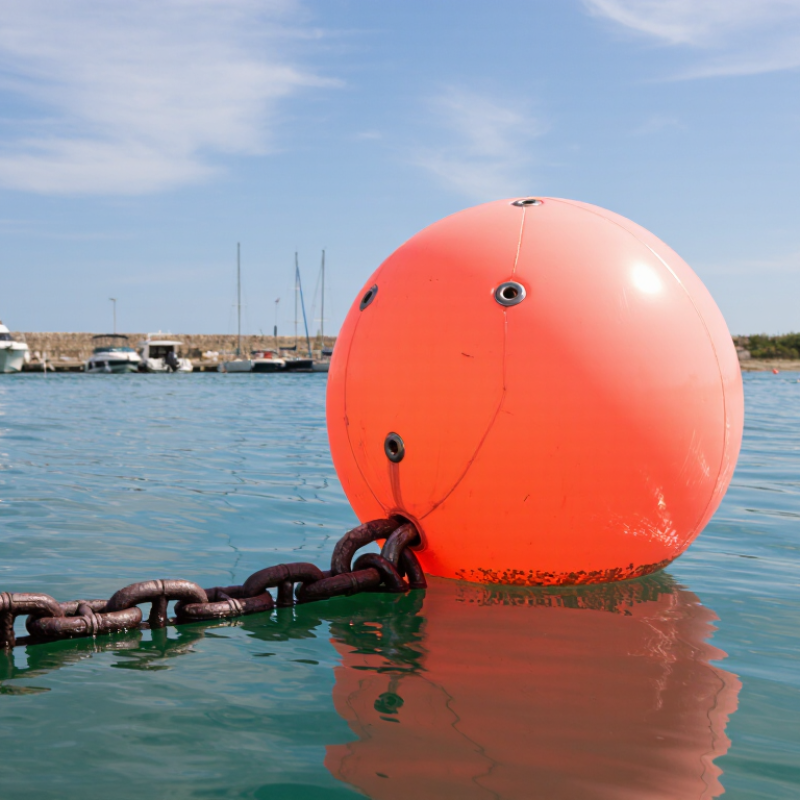
Before selecting a foam filled Mooring Buoy, describe the site and the vessel it must serve. Record water depth, tidal range, current, wave exposure, and seasonal weather. A sheltered marina berth places different demands on a buoy than an open channel. Note the vessel’s displacement, windage, and expected movement at the mooring. Small details matter.
Estimate the loads on the buoy, chain, and connection points together, not in isolation. Match buoyancy and freeboard to the required load while allowing for changing water levels and dynamic movement. Avoid choosing by vessel length alone. Actual loading can differ from a neat estimate, especially when gusts or wakes pull the vessel off line. Compare the site conditions with documented buoyancy and working-load information, and seek qualified technical advice when loads are uncertain.
Think through daily use, too. Can crew reach the attachment safely? Will the buoy remain visible in local light and wave conditions? Check whether its outer shell, lifting points, and fittings suit expected abrasion and maintenance access. A foam-filled design can retain buoyancy after some shell damage, but it is not maintenance-free. Inspection intervals may need adjustment after storms or heavy contact. Conditions change. Revisit your assumptions after installation; the first season may reveal what the site survey missed.
When choosing a foam-filled mooring buoy in 2026, look beyond its diameter and color. Construction determines how it handles impact, line loads, and years of sun exposure. A sound design pairs a durable outer layer with a resilient foam core. Small details matter.
Ask what foam is used and whether it resists water absorption. Closed-cell polyethylene foam is common because it provides buoyancy without relying on a sealed air chamber. That does not make every buoy unsinkable; cuts, poor bonding, or a damaged core can still shorten service life. Check technical data and construction details, not just sales claims.
The protective layer takes the daily punishment. Look for a uniform elastomer skin, consistent coverage around the ends, and reinforced areas near lifting eyes or attachment points. Rough seams, thin patches, and exposed foam deserve questions. A thicker coating may resist abrasion, but added material alone cannot fix weak construction. Match buoy size and rated working load to the mooring system. Check inspection guidance for UV cracking, cuts, and loose hardware. Performance varies with water temperature, vessel movement, and maintenance. I’d still inspect it after the first season.
| Selection Dimension | Common Construction or Specification | Why It Matters | What to Check Before Buying |
|---|---|---|---|
| Buoy size and displacement | Choose dimensions and displacement to suit the mooring arrangement and expected load. Displacement is the volume of water displaced when the buoy is immersed. | Displacement contributes to buoyancy, but the usable capacity must also account for the buoy's own weight and attached hardware. | Request the manufacturer's rated buoyancy and confirm how it is defined. Compare it with the calculated load and the required reserve buoyancy. |
| Foam core type | Closed-cell polyethylene (PE) foam is commonly used in marine flotation products. Other foam formulations may be used depending on the design. | Closed cells limit water absorption if the outer skin is damaged, but performance depends on the specific foam and how the core is manufactured. | Ask for the foam type, density, water-absorption data, and applicable test information. Do not assume all foam-filled buoys have identical core properties. |
| Foam-core coverage | The buoy body may be fully filled, molded around a core, or built with a specified foam-filled volume. | Core coverage and internal construction affect flotation behavior and how the buoy responds if the outer layer is punctured. | Confirm whether the buoy is fully foam-filled and request a construction drawing or written description of the core arrangement. |
| Protective outer layer | Common options include a tough elastomeric skin, such as polyurethane, applied or molded over the foam. The exact material and build vary by product. | The skin helps protect the core from abrasion, impact, sunlight, and contact with marine equipment. It is not necessarily puncture-proof. | Check the skin material, coverage, UV and abrasion information, repair method, and whether damage can expose the foam. |
| Reinforcement and load path | Reinforcement may be incorporated in the body, around the attachment area, or in a central fitting. Designs differ by buoy type. | Mooring loads concentrate at connection points. A strong outer skin alone does not establish the strength of the complete attachment system. | Review the rated working load, fitting material, reinforcement details, and any stated inspection or replacement criteria. |
| Attachment hardware | Depending on the design, connection options can include a central rod, eye, or other purpose-built fitting. | Hardware must suit the chain, rope, swivel, and mooring layout, and should transfer loads into the buoy structure as intended. | Verify hardware dimensions, corrosion-resistant material, compatibility with connecting components, and the complete assembly's load rating. |
| Operating environment | Consider water depth, wave and current exposure, temperature, sunlight, marine growth, and possible contact with vessels or structures. | Environmental conditions influence buoy sizing, wear, inspection frequency, and the suitability of materials and fittings. | Provide the supplier with site conditions and operating details. Confirm that the proposed buoy is intended for those conditions. |
| Inspection and repair | Routine checks typically look for cuts, abrasion, cracks, loose or corroded fittings, and changes in buoy position or freeboard. | Early detection of skin or hardware damage can help prevent further deterioration and unexpected loss of service. | Request care instructions, recommended inspection intervals, repair materials, and guidance on when a damaged buoy should be replaced. |
| Documentation and verification | Useful documentation may include dimensions, material descriptions, rated buoyancy, load ratings, drawings, and relevant test records. | Clear specifications make it easier to compare products on equivalent terms and confirm suitability for the intended mooring system. | Compare documented values and test methods. Have a qualified mooring or marine professional verify the buoy selection for the actual application. |
Note: Specifications and performance vary by design. Select a buoy using the complete mooring-system loads and site conditions; do not rely on buoy dimensions or foam type alone.
A foam filled mooring buoy should match both the vessel’s needs and the loads transmitted through its mooring system. Start with the required buoyancy, not the buoy’s overall size. Account for the buoy’s own weight, the submerged weight of connected hardware, and the reserve buoyancy needed to keep the intended freeboard. Then check the rated working load against expected line tension, including changes caused by tide, wind, waves, and vessel movement. Numbers matter.
Tips: Confirm whether the stated load rating is a working load limit or a breaking strength; they are not interchangeable. Check the shackle, lifting points, and mooring line too. The weakest component can govern the whole setup. Small details count.
Review the buoyancy and load data for the actual installation, and ask for supporting test or specification documents when details are unclear. A buoy that looks large may still sit too low under a heavy line load. Conversely, excess buoyancy can increase upward forces on the mooring connection. Leave a practical margin for changing conditions, but do not guess at one. A tidy calculation can still miss a real-world detail, so compare the design with the vessel’s operating conditions and inspect the buoy and fittings regularly for damage or water ingress.
Match buoyancy and load ratings to vessel and mooring loads
The chart shows theoretical gross buoyancy, calculated using seawater density of 1,025 kg/m³ and standard gravity. Actual net buoyancy is lower after accounting for the buoy, chain, and attached equipment. Select buoyancy for the supported weight and required reserve; verify the buoy and attachment load ratings separately against site-specific mooring loads. Vessel size alone does not determine those loads.
Start with service conditions, not color. Record the buoy’s working load, wave exposure, water depth, and required reserve buoyancy. Closed-cell polyethylene foam limits water uptake after skin damage, while a tough elastomer outer layer helps resist abrasion from lines and fenders. Ask for verified buoyancy and impact-test results; “heavy-duty” is not a test method.
Hardware needs equal scrutiny. Match shackles, chain, and lifting eyes to the rated load, then check their corrosion compatibility. Stainless steel can pit in chloride-rich water, while dissimilar metals may accelerate galvanic corrosion. Inspect welds and attachment points, especially where a chain rubs the shell. Small details matter. A poor connection can undermine sound flotation.
Environmental fit includes service life and end-of-life handling. In its 2022 Global Plastics Outlook, the OECD estimated that 353 million tonnes of plastic waste were generated worldwide in 2019, with only 9% recycled. This broad figure is not buoy-specific, but it makes material recovery worth asking about. Prefer a durable, repairable skin and documented polymer composition; avoid designs that shed foam when scuffed. For a real site, confirm chemical exposure and local disposal options. I would still treat “recyclable” claims cautiously unless a collection route exists.
Evaluate Installation, Inspection, and Long-Term Maintenance
Choosing a foam-filled mooring buoy starts with the site, not its color or quoted capacity. Estimate vessel size, wind exposure, current, waves, and the loads the mooring may experience. Request documented buoyancy and fitting-load data, then have a qualified professional check them against site conditions. A larger buoy is not automatically safer; extra freeboard can increase wind loading. Small details matter.
At installation, use only designated lifting points, and confirm they are not mooring eyes unless approved for lifting. Check that the anchor, chain, swivel, and connectors are compatible and correctly sized. Keep the buoy clear of sharp hull edges, then verify its waterline under load. Record its position, hardware, and initial freeboard with dated photos. A rushed setup can look sound at the dock.
Inspect on a regular schedule and after severe weather. Look for shell cracks, deep gouges, exposed foam, loose fittings, and unusual tilt. Check shackles, pins, welds, and chain for wear or corrosion; replace damaged parts rather than simply tightening them. Foam provides reserve buoyancy, but it does not make a damaged shell harmless. Clean growth gently and follow the supplier’s repair guidance. Keep records. Even careful checks can miss developing wear, so recurring damage may point to a poor fit or underestimated loads.