Harness Assembly Tips for Efficient Production and Cost Savings?
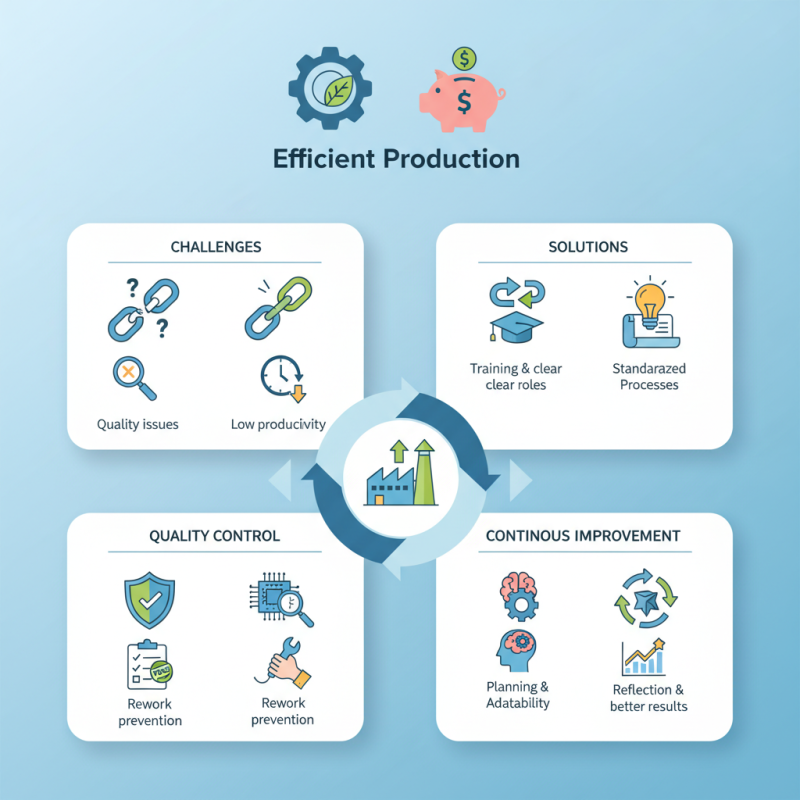
Harness assembly is a critical step in the production process. Efficient harness assembly can lead to significant cost savings. Manufacturers often face challenges that affect productivity and quality. Understanding these challenges is essential for creating effective solutions.
Quality control is vital in harness assembly. Small errors can lead to costly rework. Every team member must understand their role clearly. Training in best practices can enhance efficiency. Poor assembly techniques can hinder production rates. Therefore, it is crucial to regularly evaluate methods used in harness assembly.
Streamlining operations is not just about speed. It requires careful planning and execution. Implementing standardized processes can help. However, it is important to remain flexible and adapt. Continuous improvement should be a goal for every team. Reflecting on past projects can uncover insights for better results.
Choosing the Right Materials for Harness Assembly Efficiency
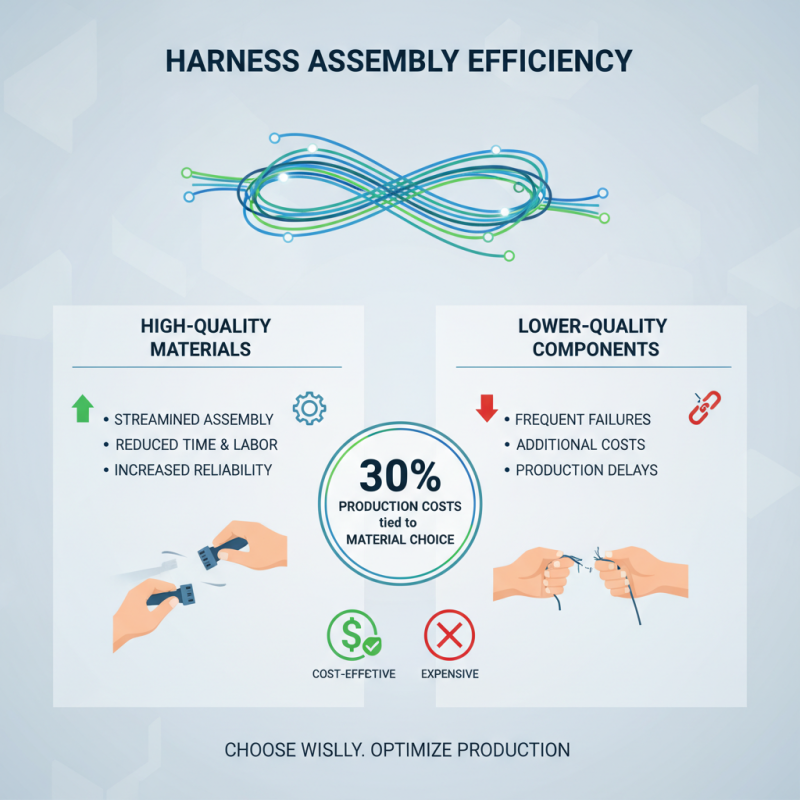
In harness assembly, the choice of materials plays a crucial role in production efficiency and cost-effectiveness. Recent industry reports reveal that approximately 30% of production costs can be attributed to material selection and usage. High-quality materials can streamline assembly processes, reducing time and labor costs. Conversely, opting for lower-quality components may lead to frequent failures, incurring additional expenses.
Selecting the right materials involves considering not just durability, but also weight and compatibility. For instance, using lightweight but sturdy materials can enhance assembly speed. According to a study by the Institute of Electrical and Electronics Engineers (IEEE), optimizing material selection can improve operational efficiency by up to 40%. Such improvements often result from reduced handling time and less machining, which are essential for competitive production timelines.
Nevertheless, challenges persist. Some manufacturers may overestimate the benefits of premium materials while underestimating the total cost of ownership. It's critical to weigh the long-term advantages against initial investments. Conducting thorough material audits and trials can yield insights that help in making informed decisions, ultimately leading to better harness assembly outcomes.
Streamlining the Design Process for Improved Production Flow
In today's manufacturing landscape, streamlining the design process is essential for enhancing production flow. According to a report by the National Institute of Standards and Technology, organizations that adopt more efficient design methodologies can reduce production costs by up to 30%. This reduction is critical as operational expenses continue to rise.
By adopting digital tools, teams enhance collaboration and reduce the design-to-production timeline. A study from Deloitte found that 70% of high-performing companies utilize advanced design software. These tools not only improve efficiency but also mitigate errors in the initial stages. However, implementing new technologies often reveals challenges. Teams may struggle with integration issues or lack adequate training, which can hamper overall productivity.
It is vital to reflect on these challenges. Continuous training and leadership support are necessary for smooth transitions. Companies must also adapt their workflows to include feedback loops, ensuring that every design phase contributes to the production process. Embracing failures and learning from them is crucial for long-term success. This iterative approach can uncover insights that drive innovation and efficiency in assembly and production.
Harness Assembly Efficiency Metrics
This bar chart illustrates the efficiency metrics of harness assembly processes, focusing on production time and cost savings achieved through optimized design techniques.
Implementing Effective Assembly Techniques for Cost Reduction
Efficient assembly techniques can significantly reduce production costs. Research shows that companies implementing lean manufacturing principles can achieve a 25% reduction in assembly time. These principles focus on streamlining workflows and minimizing waste. Companies must assess each step of the production process to identify bottlenecks.
Tool selection is critical in these techniques. The right tools enhance precision and speed. For instance, using ergonomically designed tools can decrease worker fatigue, promoting faster assembly times. Studies indicate that injury-related costs drop by 40% with proper tool ergonomics, translating to lower overall expenses.
Continuous improvement should be a goal for all assembly lines. Regularly revisiting assembly methods can expose inefficiencies. Companies might discover that a seemingly minor adjustment in the assembly layout can lead to substantial time savings. Data suggests that organizations that engage employees in this process can see a 22% boost in productivity, showcasing the value of feedback and adaptation.
Utilizing Automation in Harness Assembly for Enhanced Productivity
Automation in harness assembly is transforming production processes. By integrating automated systems, manufacturers can greatly enhance productivity. Machines can perform repetitive tasks efficiently, such as wire cutting and stripping. This allows human workers to focus on more complex activities. Productivity increases when tasks are streamlined.
Despite the benefits, automation can introduce challenges. Initial setup costs might be high, and training staff on new equipment takes time. It is crucial to find the right balance between automation and human oversight. Mistakes can happen with machines too. Regular maintenance is essential to avoid downtime.
Automation also requires an adaptable workforce. Employees must embrace new technologies. A culture of continuous improvement is necessary. Feedback on automated processes can lead to better designs and systems. Companies should remain open to revisiting their strategies. An effective harness assembly operation finds ways to evolve.
Quality Control Measures to Ensure Reliable Harness Performance
Effective quality control is crucial for the reliable performance of harness assemblies. According to industry reports, approximately 70% of harness failures are due to manufacturing defects. This statistic highlights the significance of implementing robust quality measures. Regular inspections during production can significantly reduce these defects. Visual checks for wire integrity and continuity testing are fundamental practices.
Utilizing advanced technologies can enhance quality control. For instance, automated systems can detect issues that human inspectors might miss. A recent study indicated that companies adopting automated inspection saw a 30% drop in defects. However, automation is not foolproof. Human oversight remains essential to identify subtler issues. Training personnel to understand common failure modes improves overall quality.
Documenting each phase of the production process is another vital measure. Clear records help trace back issues to their source. Companies that practice thorough documentation can address problems more effectively. Yet, balancing thoroughness with efficiency is challenging. Striking the right balance can lead to both cost savings and reliable harness performance. Continual assessment of quality control processes is necessary to ensure ongoing improvements.