2025 Guide: How to Master Circuit Board Design for Beginners
Circuit board design is an essential skill in today’s technology-driven world. Beginners often feel overwhelmed by the complexity of this topic. However, mastering circuit board design opens up countless opportunities in electronics.
Understanding the basics takes time. Mistakes happen, and that’s okay. Learning from failures is crucial. You may struggle with component placement or circuit layout. Each error teaches valuable lessons.
Dive into the details of circuit board design. Explore software tools, learn about schematic diagrams, and practice your skills. The journey demands patience and persistence. As you grow, you’ll find joy in creating functional designs. Remember, every expert was once a beginner. Embrace the challenges and keep pushing forward.
Introduction to Circuit Board Design Basics
Circuit board design is an essential skill for anyone venturing into electronics. Understanding the basics can be overwhelming at first. Beginners often face challenges with layout, component placement, and circuit integrity. However, mastering the fundamentals is key to building efficient circuits.
Start with a simple project. Design a basic circuit, like a blinking LED. Focus on using software tools for layout. This can help visualize connections and component placements. Don't rush through this process. Mistakes often highlight areas of improvement. Take time to review each step.
Tips: Always double-check your work. Small errors can lead to bigger issues. Conduct tests once your circuit is assembled. This helps in identifying faults early on.
Consider online tutorials and community forums. Sharing your design and seeking feedback is invaluable. Learning from others can offer fresh perspectives. Embrace the learning curve. The path to mastery is filled with trial and error. Remember, every mistake is a lesson learned.
2025 Circuit Board Design Trends
Essential Tools and Software for Beginner Designers
When starting with circuit board design, essential tools are your best friends. First off, a good schematic capture tool is critical. It lets you create circuit diagrams easily. Look for software that is user-friendly and intuitive. You will make mistakes, and that’s okay. Learning to correct them is part of the journey.
Simulation tools are also important. They help you test your designs before making physical boards. This can save you time and prevent costly mistakes. Make sure to choose a simulation tool that allows you to visualize your circuits effectively. Experiment with different options to find the one that suits you best. Sometimes, the learning curve is steep. But each challenge offers a chance to improve.
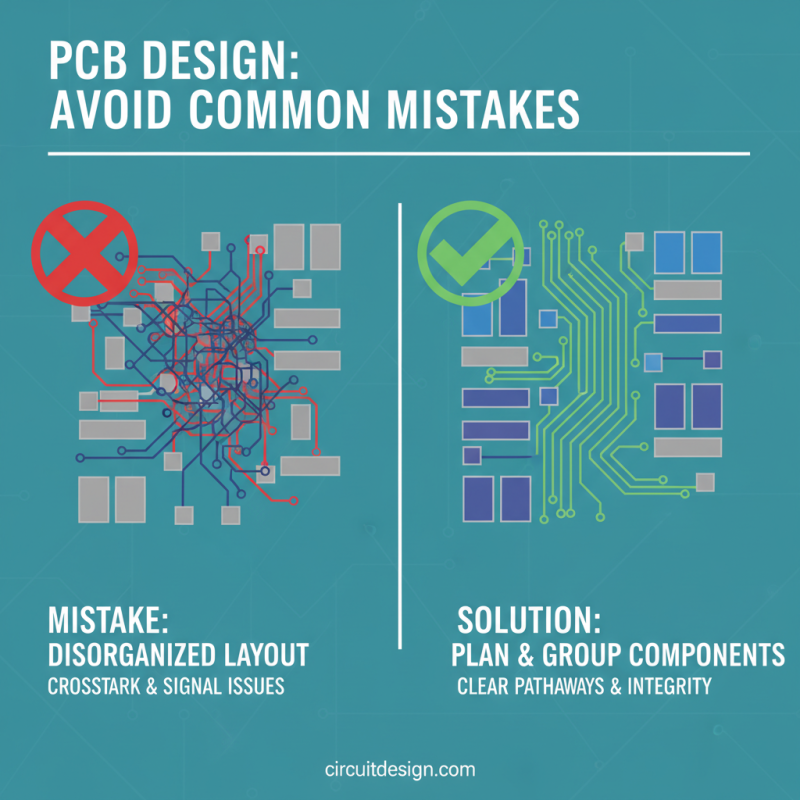
Don’t forget about layout design software. This is where your schematic turns into a real board. A cluttered layout can lead to issues later. Pay attention to small details, like trace widths and component placement. Remember, each design you create is a learning experience filled with opportunities for growth. Mistakes are normal. They teach valuable lessons that will shape your skills as a designer.
2025 Guide: How to Master Circuit Board Design for Beginners - Essential Tools and Software for Beginner Designers
| Category |
Tool/Software |
Features |
Cost |
| CAD Software |
Eagle |
User-friendly, good for beginners |
Free for small projects, Paid for larger |
| Simulation Software |
LTSpice |
Powerful circuit simulation |
Free |
| PCB Design |
KiCad |
Open-source, comprehensive toolset |
Free |
| Component Libraries |
Octopart |
Search for electronic components |
Free |
| Soldering Tools |
Soldering Iron |
Essential for assembling boards |
$15 - $50 |
| Prototyping |
Breadboard |
Easy to test and prototype |
$5 - $20 |
Step-by-Step Guide to Creating Your First Circuit Board
Creating your first circuit board can be both exciting and challenging. A recent survey indicated that 70% of beginners struggle with layout design. This shows that mastering the fundamentals is crucial for success. Start by understanding the basics, such as schematic design and component placement. Free software tools can help visualize your ideas, making it easier to translate concepts into a physical board.
When designing, remember to keep your traces as short as possible. Long traces can create interference and affect performance. According to reports, effective trace width can significantly improve signal integrity. Use clear markers for connections, and consider potential overlaps for complex designs. It’s essential to remember that errors happen. In fact, nearly 40% of designs end up with significant revisions. Embrace these mistakes; they are part of the learning process.
As you finalize your design, think about manufacturing constraints. Your board needs to fit within specific dimensions. Sometimes, you might find that your initial design is unrealistic. In that case, reassess your layout and adjust accordingly. Remember, the more you practice, the better your design skills will become, leading to cleaner, more efficient boards in the future.
Tips for Prototyping and Testing Your Circuit Boards
Prototyping and testing circuit boards can be challenging. Many beginners overlook the importance of this phase. In fact, reports show that around 40% of projects fail due to insufficient testing. This statistic highlights how crucial it is to refine your prototypes before mass production. A well-constructed prototype allows you to identify design flaws early. It saves time and resources in the long run.
Consider the materials used. For example, choosing the right type of PCB material can impact performance. A common mistake is not accounting for heat dissipation. Overheating can lead to circuit malfunction. Testing at various temperatures can help predict how your board will perform in real-world conditions. Another point to ponder is the manufacturing process. Knowing how your board is fabricated can influence design decisions. Sometimes, a good idea becomes impossible due to manufacturing limitations.
Lastly, embrace an iterative design approach. Each prototype should serve as a learning tool. Understand that not every attempt will succeed. Accepting setbacks is part of growth. Engaging in peer reviews can provide fresh insights. Different perspectives often unveil hidden issues. Being open to feedback can significantly enhance your design. Circuit board design is as much about learning as it is about creating.