Top Tips for Efficient Harness Assembly in Manufacturing Industries?
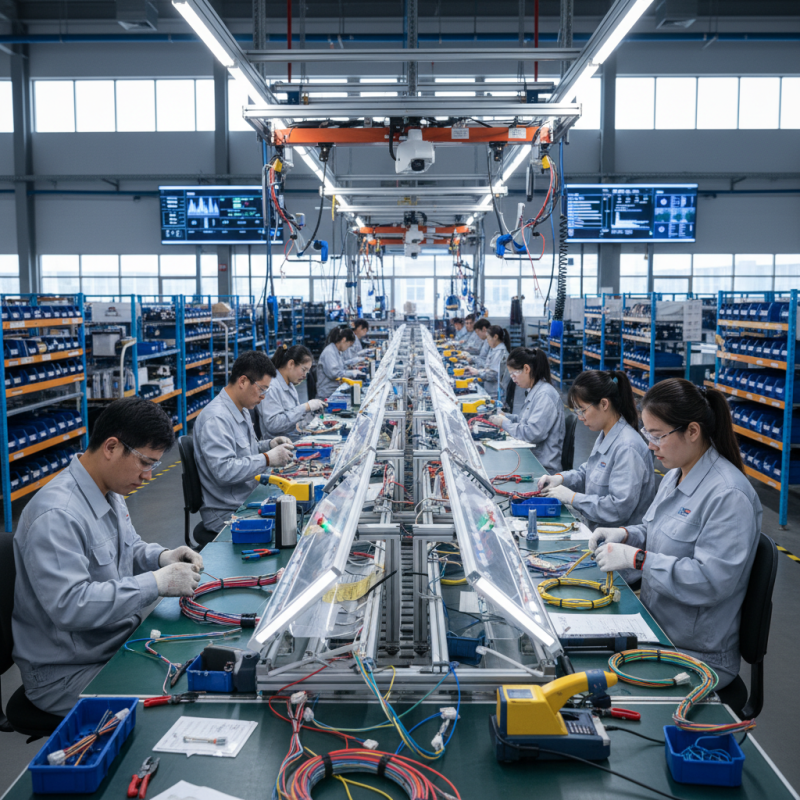
In the fast-paced world of manufacturing, harness assembly holds pivotal importance. This process impacts product quality and assembly line efficiency. Each component must fit together flawlessly, making precision essential. Effective harness assembly can significantly reduce errors and waste.
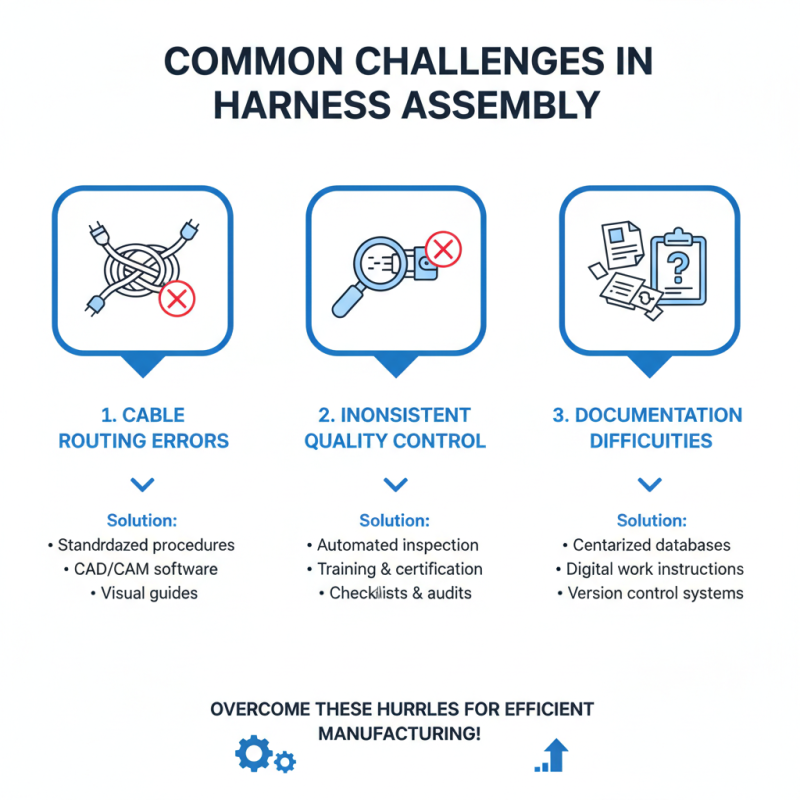
However, the complexity of this task often leads to challenges. Areas for improvement exist in design, layout, and worker training. Ensuring that all team members understand the assembly process can enhance performance. The right tools and techniques are also vital for effective assembly.
Manufacturers must foster a culture of continuous improvement. Regular reviews can identify potential pitfalls. Insights from experienced workers can provide valuable feedback. Ultimately, optimizing harness assembly requires attention to detail and a willingness to adapt. Embracing these tips will help businesses thrive in a competitive environment.
Understanding the Basics of Harness Assembly in Manufacturing
Harness assembly is a critical process in the manufacturing industry, especially in sectors like automotive and aerospace. Understanding its basics is essential for efficiency and quality control. Effective harness assembly ensures that electrical systems function optimally and enhances overall product reliability. According to a report by the Manufacturing Institute, improper assembly can lead to a significant rise in production costs, with defects accounting for up to 10% of total expenses.
To improve harness assembly, it’s vital to focus on training. Ongoing education for assemblers can help reduce errors and increase confidence. Experienced technicians often suggest implementing clear, visual instructions—this leads to quicker setups and less confusion. A well-organized workspace is equally crucial. It minimizes delays and encourages better practices. Another tip is to utilize quality tools that suit specific tasks. High-quality tools can reduce assembly time and prevent damage to components.
Regular audits of the assembly process highlight areas needing improvement. These evaluations can uncover consistent issues. Encouraging feedback from the team can also identify pain points many may overlook. Finally, embracing new technologies, like automated assembly systems, may increase precision. However, it also poses challenges as workers must adapt. Balancing these factors is vital for efficient assembly in a fast-paced manufacturing environment.
Essential Tools and Equipment for Efficient Harness Assembly
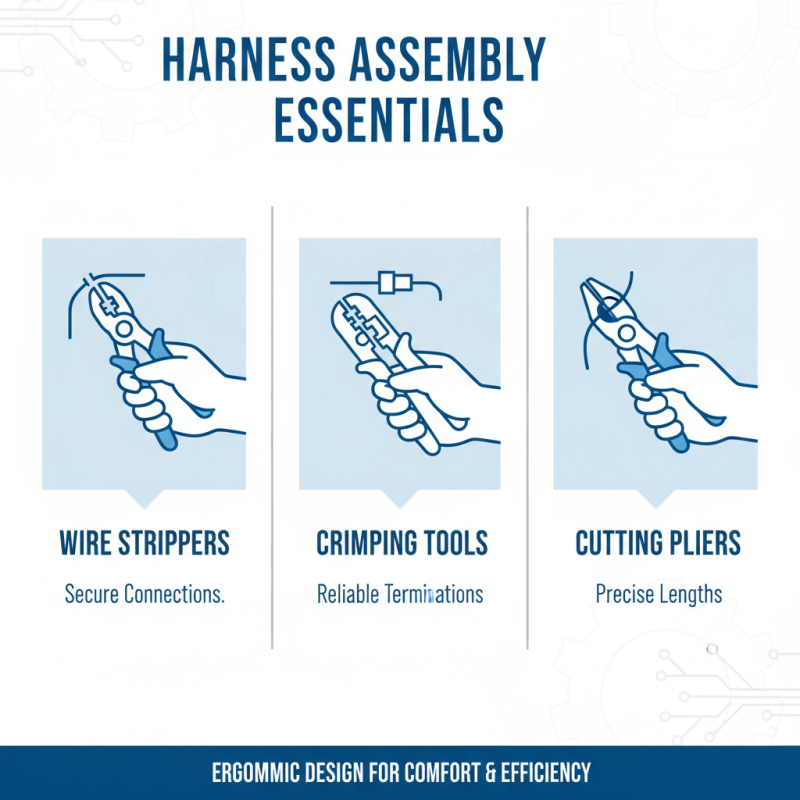
Efficient harness assembly in manufacturing requires the right tools and equipment. Basic hand tools like wire strippers and crimping tools are essential. These tools help ensure that connections are secure. Quality wire cutting pliers also play a vital role in achieving precise lengths. Each tool should fit comfortably in the hand for effective use.
Workstations must be organized for optimal efficiency. A clean space with designated areas for tools prevents confusion. Consider using pegboards or toolboxes to keep everything in its place. Lighting is another overlooked factor. Bright, focused lighting reduces errors, especially when working with tiny components.
Safety equipment ensures protection during assembly. Gloves and safety glasses are important for preventing injuries. However, some workers may neglect them, leading to accidents. Consistent training on safety protocols can help instill better habits. Without proper measures in place, even the best tools won’t maximize productivity. Regular assessments of the workspace can highlight areas needing improvement, keeping assembly efficient.
Step-by-Step Process for Assembling Harnesses Effectively
Assembling harnesses in manufacturing requires precision and organization. Start with gathering all materials and tools. Tools like wire strippers and crimping tools are essential. Each harness may require specific components, so organization is key. Lay everything out on a clean surface to avoid confusion.
When you start assembling, follow a clear step-by-step process. Begin by measuring and cutting wires to the correct lengths. This is where attention to detail shines. Misjudging lengths can lead to waste and rework. Strip the wire ends carefully, ensuring a clean cut. Next, crimp connectors securely to avoid future failures. A weak connection can mean downtime, which affects productivity.
After connecting all components, it’s time to test the harness. Testing is often overlooked but vital. Look for continuity and ensure there are no shorts. This step saves time later on. Throughout this process, be mindful of any mistakes. Don’t hesitate to recalibrate your approach if something doesn’t feel right. Continuous improvement will enhance your assembly process.
Best Practices for Quality Control in Harness Manufacturing
In the harness manufacturing sector, quality control is paramount. According to the International Electrotechnical Commission (IEC), about 30% of electrical failures in various systems stem from poor harness quality. Effective quality control measures can drastically reduce this risk. One proven method involves implementing standardized testing at different production stages. This approach not only identifies defects early but also minimizes rework costs.
Additionally, leveraging statistical process control (SPC) enhances overall manufacturing efficiency. By tracking key quality metrics, manufacturers can make real-time adjustments. A report from the Manufacturing Institute suggests that companies using SPC methods see a 25% increase in product reliability. However, the challenges remain; many facilities still rely on outdated inspection techniques, which can lead to oversight.
Another vital aspect is employee training. A well-trained workforce can spot abnormalities during assembly, ensuring higher adherence to quality standards. Despite having qualified staff, about 40% of manufacturers report inconsistencies in performance. Addressing this gap requires fostering a culture of continuous learning and improvement. Investing in human resources can bridge this divide, leading to stronger quality outcomes.
Top Tips for Efficient Harness Assembly in Manufacturing Industries
| Tip |
Description |
Benefit |
| Standardize Procedures |
Create standardized work instructions for all assembly tasks. |
Improves consistency and reduces errors. |
| Use Quality Materials |
Select high-quality wiring and connectors. |
Enhances durability and reduces failures. |
| Implement Training Programs |
Conduct regular training sessions for assembly staff. |
Increases worker proficiency and safety awareness. |
| Conduct Regular Inspections |
Perform frequent quality checks throughout the assembly process. |
Catch defects early and maintain high quality. |
| Optimize Workstation Layout |
Design workstations for efficient workflow and easy access to tools. |
Reduces time wasted and increases productivity. |