Why Circuit Board Design Matters for Modern Electronics?
In today’s tech-driven world, circuit board design plays a critical role in enabling modern electronics. Experts highlight the importance of this field. Dr. Emily Tran, a leading authority in circuit board design, once stated, “The backbone of any electronic device relies on the precision of its circuit board.” This insight emphasizes the fusion of creativity and complexity inherent in circuit board design.
The design process affects performance, durability, and efficiency of electronic devices. For instance, well-designed circuit boards reduce interference and heat. This ultimately improves device longevity. Yet, achieving optimal design is not always straightforward. Designers face challenges like space constraints and material choices. These factors require both technical skill and innovative thinking.
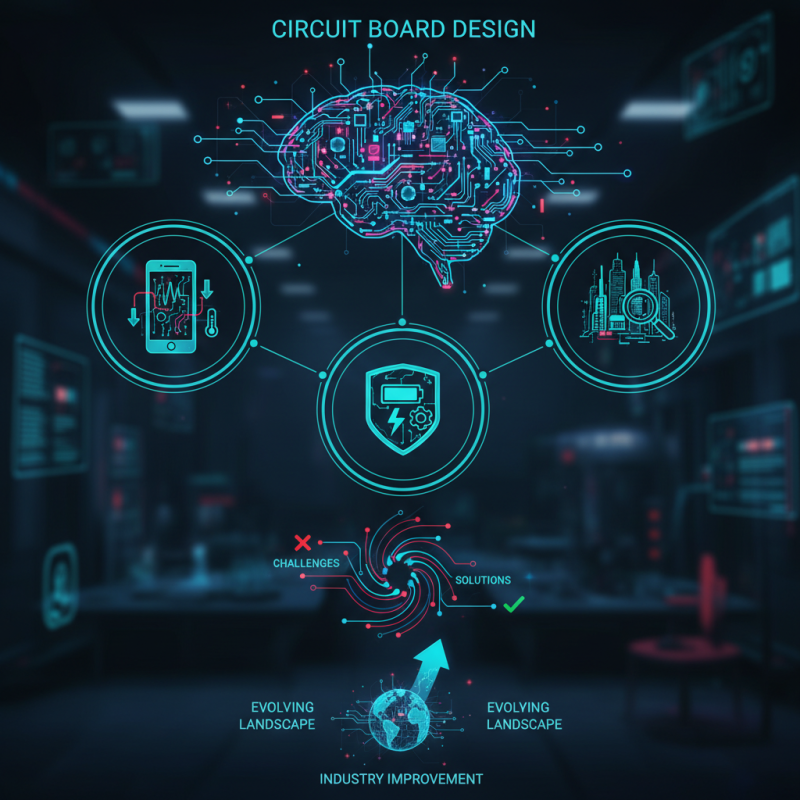
Moreover, poor design choices can lead to unexpected failures. A single miscalculation in layout can disrupt functionality. As reliance on technology grows, the impact of effective circuit board design becomes undeniable. Companies must prioritize quality and precision in their designs. This ongoing challenge invites reflection, pushing the industry toward improvement and innovation. In the evolving landscape of electronics, circuit board design remains a vital focus area.
Importance of Circuit Board Design in Electronic Functionality
Circuit board design is critical in determining the performance and reliability of modern electronics. According to a report by IPC, about 70% of electronics failures can be traced back to design flaws. This statistic underscores the necessity of effective circuit board design for ensuring seamless functionality. Complex systems require intricate layouts, careful component placement, and proper signal integrity to mitigate potential issues. The evolving landscape of technology demands designs that not only meet current needs but also anticipate future advancements.
Thermal management is a prime focus in circuit board design. Studies show that nearly 45% of electronic device failures occur due to overheating. This highlights the importance of designing with heat dissipation in mind, utilizing materials that can withstand higher temperatures. Designers must also consider the dielectric properties of substrates, as inappropriate choices can lead to signal degradation. The trade-off between cost and performance often leads to challenging decisions, where conventional solutions may fall short against emerging technologies.
Moreover, the miniaturization of components adds another layer of complexity. Designers must navigate tighter spaces while maintaining functionality. A DfR Solutions report indicates that 30% of products fail due to inadequate design for manufacturing (DFM). This points to a need for continuous improvement in design practices, ensuring that products remain both innovative and reliable. Thoughtful circuit board design not only enhances performance but also extends the lifespan of electronic devices in various applications.
Key Considerations in Effective Circuit Board Design
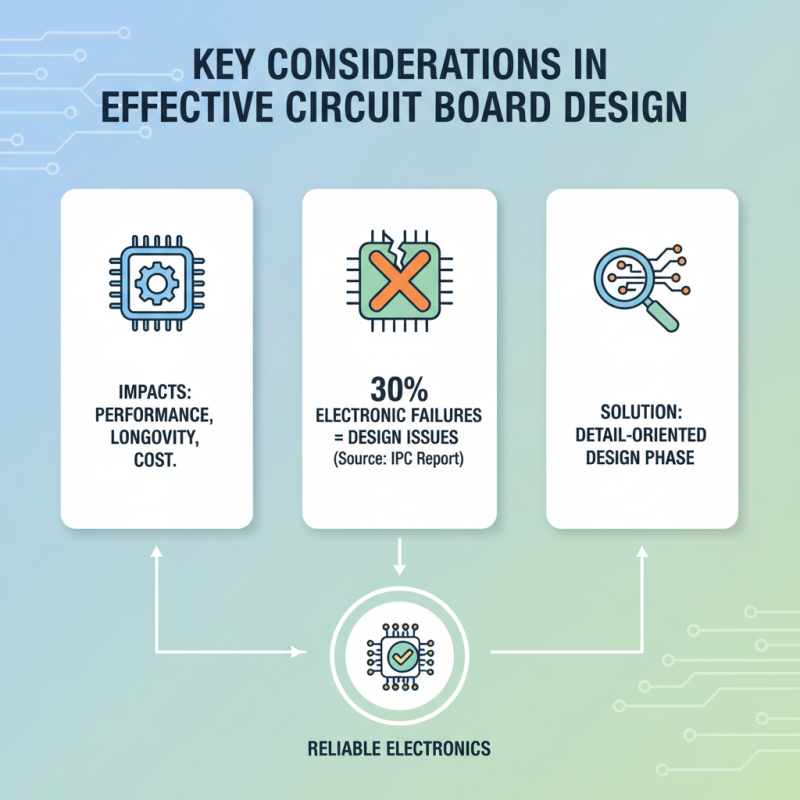
Effective circuit board design is a crucial element in modern electronics. It impacts device performance, longevity, and cost. According to a report from IPC, up to 30% of all electronic failures are attributed to design-related issues. Therefore, attention to detail in the design phase is essential.
One key consideration is layout. A well-planned layout facilitates optimal signal integrity and reduces electromagnetic interference (EMI). Research indicates that improper trace spacing can lead to significant signal degradation. Additionally, thermal management plays a vital role since overheating can shorten component lifespan. Designers should account for component placement and airflow.
Material selection is equally significant. High-quality materials can enhance durability and performance. For instance, the choice of substrates affects the board's thermal characteristics. However, it’s easy to overlook these aspects when there is pressure for speed. Balancing speed with quality is a common challenge in the industry. This realm often demands continuous learning and adaptation to new technologies and methods.
Impact of Circuit Board Design on Performance and Reliability
The design of circuit boards directly influences the overall performance and reliability of modern electronics. Studies indicate that approximately 70% of device failures stem from poor circuit board design. This data highlights the critical need for precision in layout and component placement. Effective design minimizes electromagnetic interference and signal loss, both of which are essential for ensuring optimal operation of electronic devices.
Furthermore, advanced design tools are now capable of simulating stresses like thermal expansion and electrical conductivity. These simulations help engineers predict potential failure points, enhancing product longevity. A recent report indicates that companies prioritizing thorough design processes see a 30% reduction in recalls and malfunctions. This correlation emphasizes the importance of investing in high-quality circuit board design.
Despite these advancements, many designs still overlook the impact of material selection. For instance, using inferior substrates can lead to reduced thermal management and increased risk of failure under load. A detailed examination often reveals that engineers may not fully consider the long-term implications of their material choices. This gap can lead to critical design flaws, affecting performance and reliability across various applications.
Emerging Technologies in Circuit Board Design for Modern Electronics
Emerging technologies are reshaping the landscape of circuit board design. New techniques, like 3D printing and flexible materials, are revolutionizing how we create electronic components. These innovations can lead to more efficient production. However, they also present challenges in terms of reliability and durability.
The integration of AI in circuit design is gaining traction. Design software now uses algorithms to optimize layouts. This leads to better space utilization and can significantly reduce material costs. Still, the reliance on AI raises questions about human oversight. Engineers must ensure that the final designs meet rigorous standards.
Another trend is the push for sustainable materials. As environmental concerns grow, manufacturers are exploring eco-friendly options. These materials can reduce waste but may lack the performance of traditional options. Balancing sustainability with efficiency is a complex challenge. It requires careful consideration of both immediate benefits and long-term implications.
Why Circuit Board Design Matters for Modern Electronics?
| Aspect |
Importance |
Emerging Technologies |
Future Trends |
| Signal Integrity |
Crucial for high-speed data transmission |
Simulation tools for high-speed design |
Continued miniaturization and complexity |
| Thermal Management |
Prevents overheating and improves reliability |
Advanced materials like graphene |
Smart cooling solutions integrated in designs |
| Design for Manufacturability |
Reduces production costs and time |
Automated design tools |
AI-driven design optimization |
| Electrical Performance |
Enhances functionality and efficiency |
High-frequency PCB materials |
Integration of smart technologies |
| Sustainability |
Aligns with global eco-friendly initiatives |
Biodegradable materials |
Circular economy practices in electronics |
Challenges and Innovations in Circuit Board Design Practices
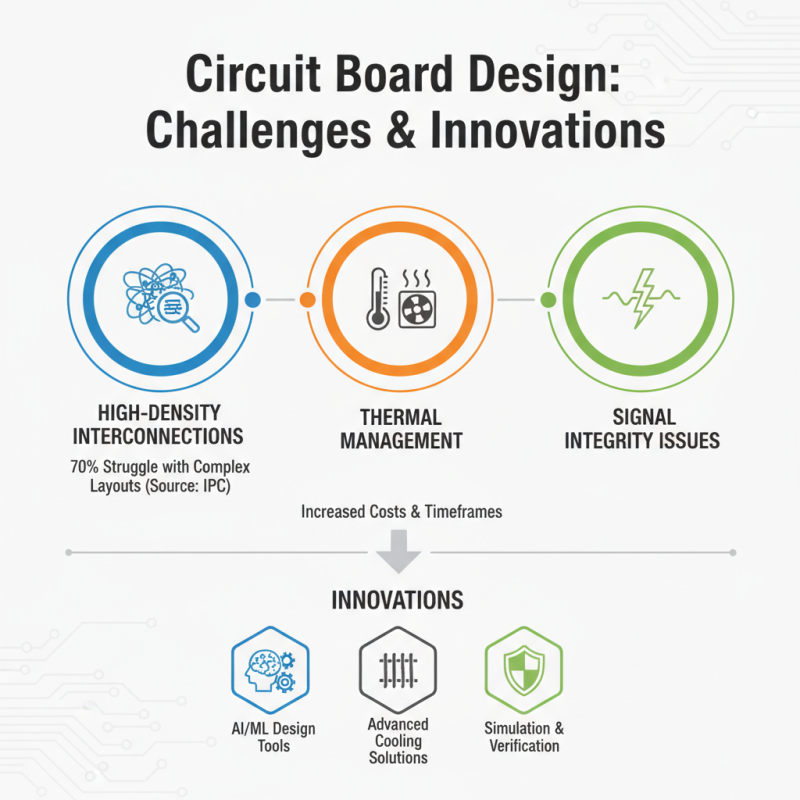
Circuit board design is crucial in modern electronics. As devices become smaller and more complex, engineers face multiple challenges. High-density interconnections, thermal management, and signal integrity issues are prevalent. A study by IPC states that nearly 70% of design engineers struggle with managing complex layouts. Such complexities can lead to increased production costs and longer timeframes.
Innovations in design practices are reshaping the industry. For instance, advanced simulation tools help detect potential issues early. These tools reduce development time by up to 30%. Emerging materials, like flexible substrates, enhance durability and performance. However, not all innovations yield positive results. Each new trend requires careful evaluation. Circuits may face failure due to misguided experimentation with unproven materials or methods.
The push for sustainability also impacts circuit board design. A report from IEEE indicates that 50% of manufacturers are exploring eco-friendly materials. Yet, the transition is not easy. Limited availability and higher costs can deter adoption. Engineers must balance performance with environmental responsibility. Overall, while modern circuit board design presents challenges, it also opens new avenues for creativity. The quest for more reliable and efficient designs continues.