How to Choose the Right Gate Valve for Your Needs?
Choosing the right Gate Valve is crucial for any plumbing or industrial project. A gate valve is designed to control the flow of fluids. It serves a vital role in a variety of applications. However, picking the wrong type can lead to leaks and inefficiencies.
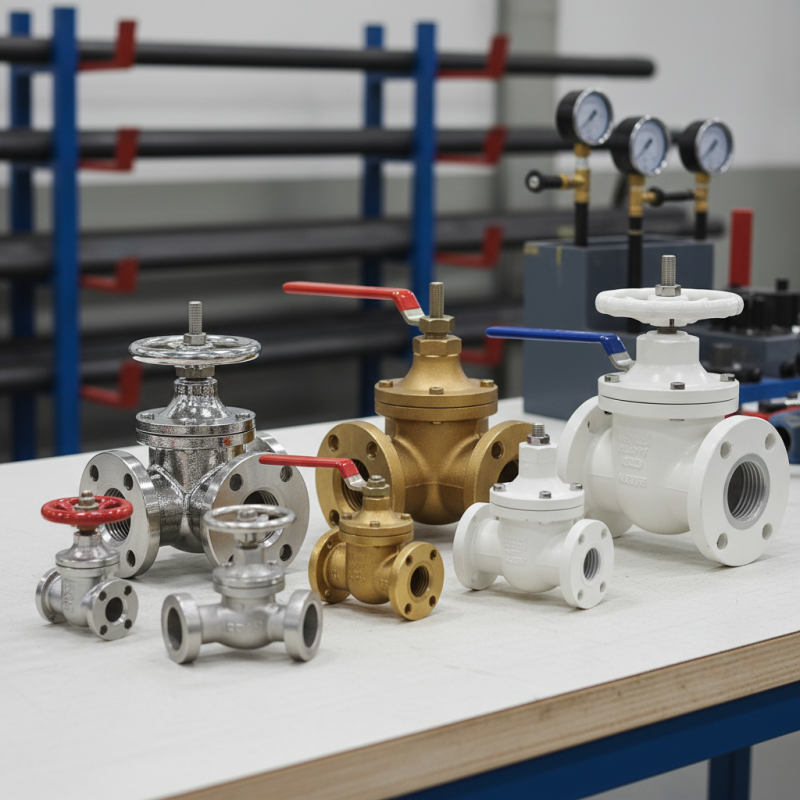
When selecting a gate valve, consider the material. Stainless steel, brass, or PVC may be suitable, depending on the environment. The valve’s pressure rating also matters. Ensure it can handle the system's maximum pressure without failing.
Moreover, size cannot be overlooked. A valve too big or too small can disrupt flow. Gate valves come in various sizes, so ensure you choose one that fits your piping system. Reflect on these details to make an informed choice.
Understanding Gate Valves: Types and Applications
Gate valves are crucial in various industries, controlling fluid flow effectively. Understanding the types and applications of gate valves is essential for optimal performance. There are mainly two types: wedge gate valves and parallel gate valves. Wedge gate valves are popular for high-pressure applications due to their robust design. Data shows that they can handle pressures up to 1500 PSI while maintaining a tight seal.
In contrast, parallel gate valves are often used for throttling services. They offer better flow characteristics and are ideal for low-pressure environments. According to industry reports, about 30% of gate valve failures occur due to improper selection. This highlights the need for caution when choosing the right type. Consider the fluid type, temperature, and pressure requirements before making a decision.
It's also essential to evaluate the materials used in the valve. Common materials include cast iron, stainless steel, and bronze. Each material serves different purposes and has its advantages and limitations. For instance, stainless steel valves resist corrosion but might not perform well in extreme heat. Recognizing these nuances can prevent costly mistakes and ensure long-term reliability in various applications.
Key Factors to Consider When Choosing a Gate Valve
When selecting a gate valve, several critical factors come into play. The intended application heavily influences the choice. Gate valves are ideal for on/off control in various industries, including water treatment and oil and gas. According to the 2022 Global Gate Valve Market Report, these valves account for 30% of the valve market due to their efficiency.
Material selection is also essential. Common materials include brass, stainless steel, and PVC, each suitable for specific environments. Brass offers good corrosion resistance, while stainless steel suits high-pressure applications. Not all materials perform equally well in every situation, which can lead to premature failure or leaks.
Tip: Always assess the medium's characteristics, such as temperature and pressure, before making a decision.
Another factor to consider is the valve's size. An oversized valve may result in flow issues. Conversely, an undersized valve can create pressure drops. A mismatch can lead to increased maintenance costs. The correct size ensures optimal performance and longevity.
Tip: Use flow calculations to determine the right size for your application.
In summary, the right gate valve choice requires careful consideration of application, material, and size. Many factors should be examined to avoid costly mistakes in the future.
How to Choose the Right Gate Valve for Your Needs? - Key Factors to Consider When Choosing a Gate Valve
| Key Factor | Description | Common Materials | Applications |
| Size | Choosing the correct diameter and size for flow requirements. | Cast Iron, Stainless Steel | Water, Oil pipelines |
| Pressure Rating | Ensure the valve can handle the maximum pressure of the system. | Class 150, Class 300 | High-pressure systems |
| Temperature Range | Consider the operational temperature to select suitable materials. | Brass, Carbon Steel | Heating, Cooling systems |
| End Connections | Select based on pipeline connection types (flanged, threaded, etc.). | Flanged, Socket Weld | Industrial piping |
| Operating Mechanism | Manual, Electric or Pneumatic actuation options. | Various (depending on mechanism) | Automated systems |
Material Selection for Gate Valves: Pros and Cons
When selecting gate valves, material choice plays a crucial role. Different materials offer various benefits and drawbacks. For instance, cast iron is robust and cost-effective. However, it may corrode if used in harsh environments. Stainless steel, while resistant to rust, is often more expensive. It suits applications requiring durability and cleanliness.
Consider plastic valves too. They are lightweight and resistant to many chemicals. However, they may not handle high pressure as well as metal options. Each material has a specific application niche. Understanding these aspects can be a reflection of the specific needs of your project.
It’s also essential to think about longevity and maintenance. Materials that resist wear will last longer. On the other hand, some materials may save money upfront but cost more in the long run due to frequent replacements. Ultimately, the key is to weigh the options carefully. Balancing cost, durability, and the specific requirements is not always easy but necessary.
Sizing Your Gate Valve: Ensuring Proper Fit and Function
Choosing the right gate valve is critical for optimal performance. Sizing your gate valve accurately ensures it fits well and functions efficiently. A report by the American Society of Mechanical Engineers highlights that improper sizing can lead to 30% efficiency loss in fluid systems. This issue can arise from factors like pipe diameter, flow rate, and pressure requirements.
Consider the diameter of the piping system when selecting your gate valve. A valve that is too small will restrict flow. Conversely, an oversized valve can lead to turbulence and energy loss. The flow coefficient (Cv) is a crucial measurement in this context. It quantifies the valve's ability to allow fluid flow. An ideal Cv value should align with your system’s requirements.
Materials also play a role in performance and longevity. Metal options may endure higher pressures, while plastic is suitable for corrosive fluids. Failing to match the valve material with the intended application can lead to premature failure. Regularly reviewing and updating choice based on current system demands is essential. This reflective approach can help avoid costly mistakes.
Maintenance Tips for Longevity of Gate Valves
Regular maintenance is essential for the longevity of gate valves. Inspect them frequently for leaks and corrosion. A small leak can lead to significant problems. Clean the valve body regularly to prevent buildup. Dust and residue can affect performance over time.
Lubricate moving parts to ensure smooth operation. Use a suitable lubricant that won't degrade rubber seals. Sometimes, the wrong lubricant can cause more harm than good. Be cautious. Periodically test the valves by opening and closing them. This can help identify any potential issues early.
If conditions are harsh, consider additional protective measures. Insulation can prevent freezing in winter. A cover can protect against debris and moisture. Reflect on your specific environment; adjustments might be necessary. Regular checks and minor repairs can extend a valve's lifespan significantly.
Gate Valve Performance by Material Type
This chart illustrates the durability rating of different gate valve materials on a scale of 1 to 10. Choosing the right material is crucial for ensuring longevity and optimal performance of gate valves.