How to Choose the Best Stainless Steel Wire for Your Needs?
Choosing the right Stainless Steel Wire can greatly impact your projects. The global market for stainless steel wire is projected to reach $10 billion by 2026, indicating its rising importance in various industries. Stainless steel wire finds applications in construction, automotive, and manufacturing sectors, requiring careful selection based on strength, flexibility, and corrosion resistance.
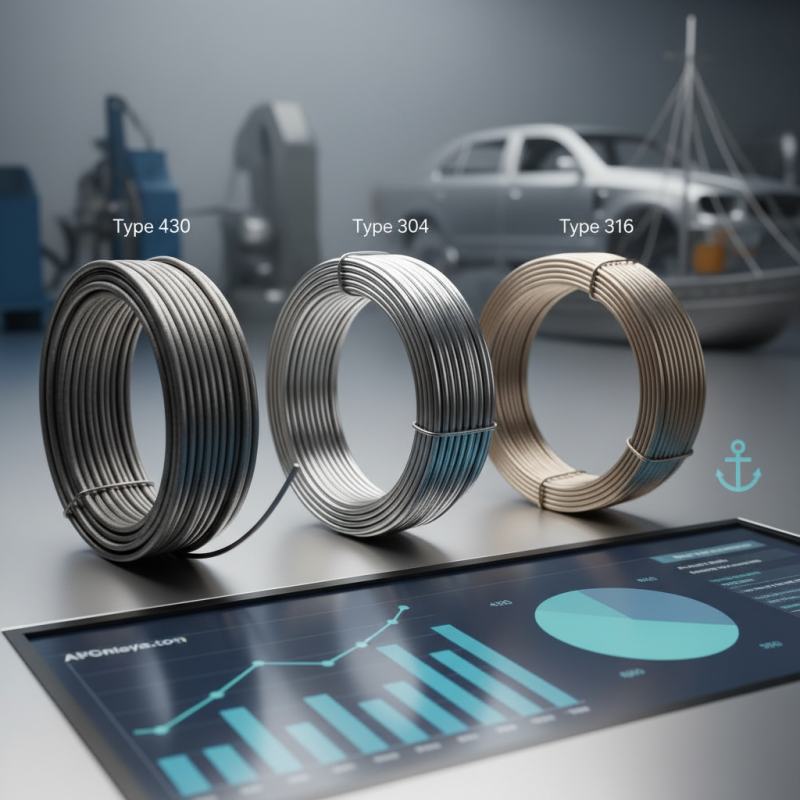
Experts highlight that not all stainless steel wires are created equal. Types such as 304, 316, and 430 vary in composition, affecting durability and performance. For instance, 316 stainless steel wire offers superior corrosion resistance, making it ideal for marine environments. This specific property is crucial for opting the right wire for demanding applications.
However, balancing cost with quality presents a challenge. Many buyers prioritize savings over durability. This often leads to issues in performance and longevity. A deeper understanding of your specific needs will guide you in making informed choices. Evaluating wire thickness, tensile strength, and surface finish can mitigate potential problems. Reflecting on these factors ensures you select the best stainless steel wire for your unique requirements.
Understanding Different Grades of Stainless Steel Wire
When selecting stainless steel wire, understanding the various grades is crucial. Different grades offer distinct properties and performance characteristics. For example, Type 304 stainless steel, which contains 18% chromium and 8% nickel, is renowned for its excellent corrosion resistance. According to a report by the International Stainless Steel Forum, this grade is widely used in kitchenware and food processing due to its durability.
On the other hand, Type 316 stainless steel provides even better corrosion resistance, particularly against chlorides. It contains molybdenum, making it a preferred choice in marine environments. Data indicates that 316 stainless steel wire can withstand harsh conditions, but it is also more expensive. This poses a dilemma for many users who must balance cost with functionality.
The choice of grade does not end at corrosion resistance. Some projects may demand higher strength or flexibility. Ultimately, understanding the composition and applications of each stainless steel grade can help in making an informed decision. However, some minor issues might arise, such as difficulty in sourcing specific grades. It’s essential to consider these factors to ensure the selection meets your specific needs.
Evaluating the Mechanical Properties of Stainless Steel Wire
When selecting stainless steel wire, understanding mechanical properties is crucial. Mechanical properties, such as tensile strength and elasticity, determine how the wire behaves under stress. High tensile strength implies the wire can withstand significant loads. This is essential for applications like construction or industrial use.
Flexibility also plays a key role. Some projects may require stainless steel wire to bend without breaking. Evaluating ductility ensures that the wire won't fracture easily. Additionally, hardness impacts wear resistance. Harder materials tend to last longer but may be less flexible. It’s essential to strike a balance between these properties based on your specific needs.
Consider the environment where the wire will be used. Factors like temperature and exposure to chemicals can affect performance. A rigorous assessment of these mechanical properties should guide your selection process. However, one must also reflect on practical experiences. Past mistakes in choosing wire can lead to project delays. Learning from such experiences is vital for better decision-making.
Considering the Wire Diameter and Its Application
Choosing the right stainless steel wire involves understanding its diameter and how it suits your application. Wire diameter plays a crucial role in performance. Thicker wires provide strength, making them ideal for heavy-duty applications. Conversely, finer wires offer flexibility. This is significant in projects requiring intricate designs or delicate handling.
When considering wire diameter, think about your project requirements. For example, welding tasks benefit from thicker wires that withstand high heat. On the other hand, electronic applications may require finer wires for precision. It's important to match the diameter to the specific function. Misjudging this can lead to failures or inefficiencies.
Consulting experts or reference guides on wire characteristics can be beneficial. There’s no one-size-fits-all answer. Testing different wire diameters in real-world scenarios is vital. This helps in learning what truly works for your needs. Don't overlook the impact of environmental factors, either. Moisture, temperature, and exposure can alter wire effectiveness. Adjust your choices based on these observations for better outcomes.
Assessing Corrosion Resistance for Specific Environments
Corrosion resistance is critical when selecting stainless steel wire. Each environment presents its own challenges. For instance, coastal areas expose materials to saltwater, which can rapidly degrade certain stainless steel types. In this case, opting for wire with higher nickel and molybdenum content can enhance resistance. It’s important to consider the specific environmental factors that will affect the wire's longevity.
Industries that involve chemicals often require specialized stainless steel wires. Manufacturing plants, for example, might encounter acids that eat away at less durable options. A careful examination of the chemical composition is crucial. Users should also be aware of potential contaminants in their environments. Even subtle changes can impact corrosion resistance. Regular assessments can prevent failures that may arise unexpectedly.
Choosing the wrong stainless steel wire may lead to failures, which can be expensive. Evaluating a wire's performance in actual conditions is necessary. Sometimes, testing wire samples in real-world settings yields better insights than relying on specifications alone. Each application has unique demands, and flexibility in selection becomes essential. Collecting feedback from users in similar environments can also provide valuable insights.
How to Choose the Best Stainless Steel Wire for Your Needs? - Assessing Corrosion Resistance for Specific Environments
| Wire Type | Corrosion Resistance (ASTM) | Typical Environment | Strength (MPa) | Applications |
| 304 Stainless Steel | Good (Type 304) | Indoor, Mild Environments | 515 | Cable, Jewelry, Food Processing |
| 316 Stainless Steel | Excellent (Type 316) | Marine, Chemical Environments | 580 | Marine Applications, Chemical Processing |
| Duplex Stainless Steel | Very Good (Duplex) | Oil & Gas, Pulp & Paper | 700 | High Strength Applications |
| 630 Stainless Steel | Good (Type 630) | Moderate Conditions, Aerospace | 860 | Aerospace Components, Oil Field Parts |
Choosing Between Finished and Raw Stainless Steel Wire
When choosing between finished and raw stainless steel wire, understanding the specifics is crucial. Finished stainless steel wire has been processed for immediate use. It comes with a polished surface and precise dimensions. This type is ideal for applications requiring high durability and aesthetic appeal. The finished wire often boasts a tensile strength of over 200,000 psi, making it suitable for various industrial uses.
In contrast, raw stainless steel wire offers versatility. It requires further processing but allows for customization in terms of diameter and tensile strength. Industry reports indicate that raw wire is often used in construction and manufacturing sectors. It can be treated and altered to meet specific project needs. However, the inconsistency in quality can be a concern. Some raw materials may contain impurities, affecting the final product's performance.
Selecting between these two types often depends on the intended application. For projects where precision is non-negotiable, finished wire is the go-to option. However, if you're working on a project with flexibility in specifications, raw wire might be the better choice. Weighing the benefits and drawbacks of each type can lead to more informed decisions in your projects.