How to Choose the Best Softshell Fabric for Your Needs?
Selecting the best Softshell Fabric involves understanding its unique qualities and applications. According to a report by Research and Markets, the global softshell fabric market is projected to reach $1.2 billion by 2025, driven by demand in outdoor activities and sports. Softshell fabric combines the benefits of flexibility and breathability, making it ideal for various climates.
This fabric is characterized by its water resistance and thermal insulation. Athletes and outdoor enthusiasts often choose it for its versatility in changing conditions. However, not all softshell fabrics are created equal. Variability in weight, stretch, and durability can significantly affect performance.
It's essential to consider your specific needs. Are you hiking in light rain or skiing in colder temperatures? Recognizing the limitations of softshells is key. While they excel in breathability, their waterproofing might not compare to hard-shell options. Balancing these factors can lead to better outdoor experiences.
Understanding Softshell Fabric: Definition and Characteristics
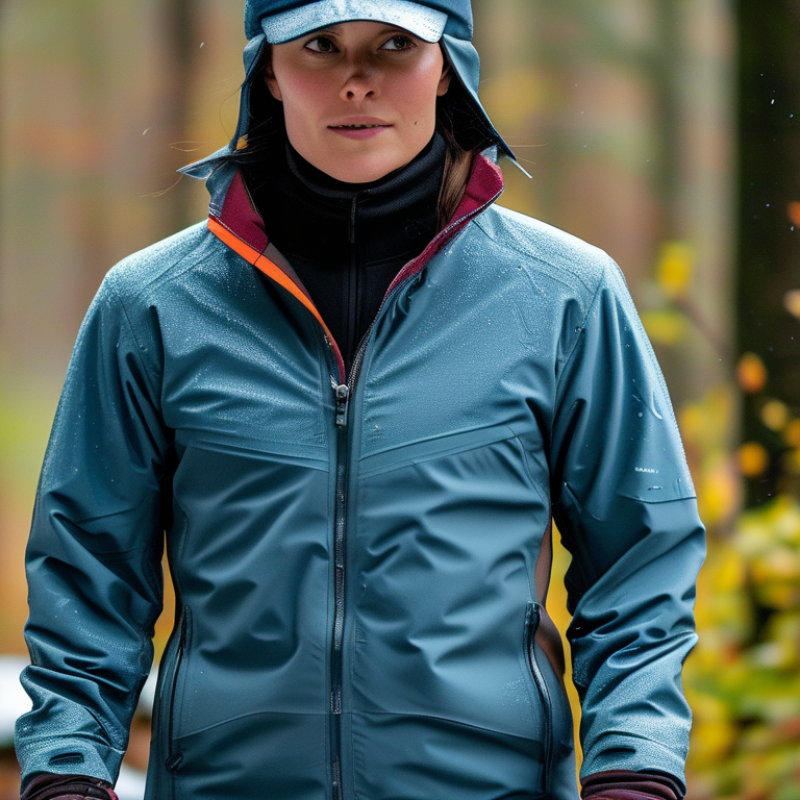
Softshell fabric is a versatile material commonly used in outdoor clothing. It combines the benefits of a soft outer layer with a waterproof membrane. This unique structure offers both comfort and protection, making it ideal for various weather conditions. Softshells are often breathable, allowing sweat to escape while keeping you dry. This feature is crucial during physical activities like hiking or climbing.
In addition to breathability, softshell fabrics exhibit stretchability, providing freedom of movement. This is particularly important for athletes and outdoor enthusiasts. However, not all softshells are created equal. Some may be more water-resistant than others. Understanding these characteristics can help in selecting the right fabric for your needs. While many users appreciate softshells, disappointment can arise if expectations are not aligned with performance. This highlights the need for careful consideration when choosing the right softshell for specific activities.
Softshell Fabric Characteristics Analysis
Types of Softshell Fabrics: An Overview of Options Available
When choosing a softshell fabric, understanding the different types available is crucial. Softshell materials generally fall into two categories: woven and bonded. Woven softshells provide breathability. They work well for active use. These fabrics often have a lighter weight, suitable for layering. They allow sweat to evaporate, keeping you comfortable.
Bonded softshells are different. They typically feature a protective layer. This design helps shield you from wind and light rain. However, they might lack the same breathability as woven options. It's important to assess your activities when choosing. If you're hiking or exercising, consider how the fabric will handle moisture and temperature changes.
Some softshell fabrics offer stretch. This feature enhances mobility and comfort. Others come with added insulation for colder climates. Yet, not all softshell materials perform equally. It's vital to look into the specifics. Evaluate the fabric's composition to gauge its durability and performance in real-world conditions. Each option has its pros and cons, and personal experience plays a big role in making the right choice.
Assessing Softshell Fabric Performance: Key Features to Consider
When choosing the best softshell fabric, consider the performance features that suit your needs. Look for breathability, which allows moisture to escape. This is crucial if you will be active or in warmer conditions. Additionally, check for durability, particularly if you plan to use the fabric for outdoor activities. A strong fabric can withstand wear and tear, extending the life of your gear.
Water resistance is another key feature to evaluate. A softshell should provide some protection against light rain and wind. However, remember that no fabric is entirely waterproof. Think about your environment and choose accordingly. Reflecting on your typical conditions may be difficult, but it's important for optimal performance.
Tips: Test the fabric before purchasing. Feel the texture and flexibility. Ensure it fits your intended use. Look for features that might be missing, such as adjustable cuffs or ventilation zippers. Small details can contribute significantly to comfort and functionality. Each choice plays a role in your overall satisfaction with the material.
Choosing the Right Softshell Fabric for Specific Activities and Conditions
Choosing the right softshell fabric can greatly enhance your outdoor experience. Different activities demand specific features in a softshell. For example, climbing requires high breathability and flexibility. In contrast, hiking may prioritize warmth and water resistance.
A report by the Outdoor Industry Association suggests that over 70% of outdoor enthusiasts consider weather resistance a top priority. When selecting your fabric, look for features like a durable water-repellent finish. This can help keep you dry in light rain. Remember, breathability matters too. Fabrics with higher moisture vapor permeability will keep you comfortable during intense activities.
Tips: Always test the fabric under varying conditions. Pay attention to how it performs in real scenarios. Look for lightweight options if you plan to pack light. Not every fabric suits every condition; some may trap heat or fail to repel water effectively. Your choice in softshell fabric is essential but may require some trial and error.
Care and Maintenance Tips for Softshell Fabrics to Ensure Longevity
Softshell fabrics are renowned for their versatility and comfort. However, maintaining them properly is essential for their longevity. Washing your softshell garments with cold water is crucial. Hot water can damage the fabric's water-repellent coating. Use a gentle detergent, as harsh chemicals may degrade the fibers over time. Avoid fabric softeners, as they can clog the material's pores, reducing breathability.
Drying should be approached carefully. Air-drying is preferable, but if you must use a dryer, opt for a low heat setting. High heat can lead to shrinkage and damage the fabric. Inspect the garments regularly for signs of wear, such as fraying edges or fabric thinning. Addressing small issues early can prevent larger problems later on.
Re-waterproofing your softshell fabric is also worth considering occasionally. As the treatment wears off, the fabric can lose its protective qualities. Using a spray-on waterproofing solution can restore its resistance to water. It’s vital to apply such treatments in a well-ventilated area and to test them on a small patch first. Balancing care and usage will ensure that your favorite softshell items remain functional for years.
How to Choose the Best Softshell Fabric for Your Needs? - Care and Maintenance Tips for Softshell Fabrics to Ensure Longevity
| Fabric Type | Breathability Rating | Water Resistance | Weight (g/m²) | Ideal Uses | Care Instructions |
| Standard Softshell | 3000 g/m²/24h | Water-resistant (up to 3000 mm) | 200 | Hiking, camping | Machine wash cold, dry flat |
| Technical Softshell | 5000 g/m²/24h | Highly water-resistant (up to 8000 mm) | 300 | Climbing, skiing | Hand wash, avoid fabric softeners |
| Windproof Softshell | 2500 g/m²/24h | Water-resistant (up to 1500 mm) | 180 | Running, cycling | Machine wash, tumble dry low |
| Warm Softshell | 1500 g/m²/24h | Moderately water-resistant (up to 2000 mm) | 350 | Casual wear, colder weather | Machine wash cold, air dry |