How to Choose the Best Rotameter Flow Meter for Your Needs?
Choosing the right Rotameter Flow Meter is crucial for accurate fluid measurement in various applications. These meters are known for their simplicity and reliability. They provide real-time flow readings, allowing for precise control in industrial settings.
When considering a Rotameter Flow Meter, it's essential to evaluate factors like fluid type and flow range. Each application has unique demands, which can affect performance. It's common to overlook specific requirements, leading to suboptimal choices. Understanding your system's specifics will guide you in selecting the best meter.
Expert advice can be invaluable here. Different models cater to various industries, and not all meters are created equal. If you choose poorly, you may encounter calibration issues or inaccurate readings. Refining your choice based on expert input can save time and resources. Thus, the selection process should involve careful consideration and research.
Understanding the Basics of Rotameter Flow Meters
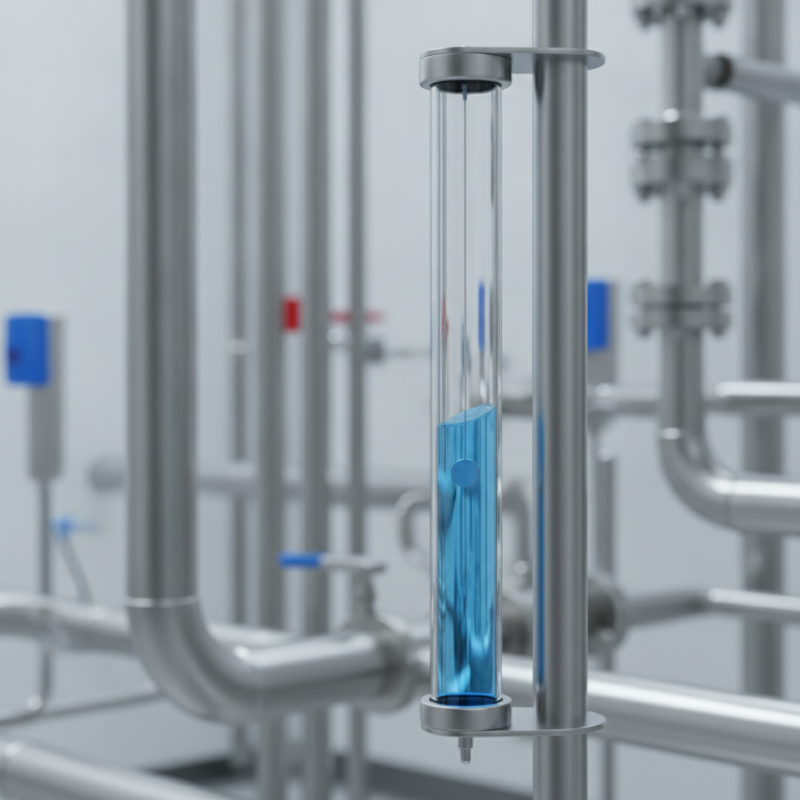
Rotameter flow meters are essential tools in various industries. They measure the flow rate of liquids and gases with simplicity and efficiency. Understanding how they work is crucial for selecting the right type for your application. The basic design includes a tapered tube and a float. As the fluid flows, the float rises to a position that corresponds to the flow rate.
It's important to consider the material of the rotameter. Different applications require different materials. For instance, corrosive fluids need materials that resist chemical degradation. Accuracy is another critical factor. A rotameter's calibration affects its reliability. Regular calibration ensures your measurements remain trustworthy.
Many users overlook these aspects. This can lead to improper readings and operational issues. Some might prioritize cost over quality. Investing in reliable equipment pays off in the long run. Reflecting on these factors can enhance your decision-making process and improve operational efficiency.
Identifying Your Specific Flow Measurement Requirements
When choosing a rotameter flow meter, it’s crucial to identify your specific flow measurement requirements. Begin by assessing the nature of the fluid you are measuring. Is it a gas or liquid? Different fluids can behave differently under various conditions. Consider factors such as viscosity, density, and temperature. These elements significantly influence accuracy.
Next, analyze the flow range you need. Determine the minimum and maximum flow rates. This information will guide you in selecting a meter that can accommodate your flow conditions without compromising performance. Remember, an oversized or undersized meter can lead to inaccurate readings.
Additionally, consider the installation environment. Will it be in a cleanroom, outdoor space, or a harsh industrial setting? Each environment presents unique challenges. Think about factors like pressure requirements and required certifications. Even small details, such as pipe size compatibility, can impact your choice. Reflect on these details carefully to ensure you select the right rotameter for your needs.
Flow Rate Measurement Comparison
Evaluating Key Features and Specifications of Rotameters
When selecting a rotameter flow meter, understanding its key features and specifications is crucial. These devices measure fluid flow based on the variable area principle. A tapered tube allows the float to rise or fall, depending on flow rate. Key specifications include the maximum flow rate, tube material, and scale accuracy. These factors significantly impact performance.
Material choice matters. Some fluids may react with plastic, while others require glass for visibility. Flow range is another essential factor. Consider your specific application. A flow meter that’s too large will be inaccurate at lower rates. Conversely, a meter too small may not handle peak demands. Selecting the right fit is often challenging.
Finally, installation and maintenance can be tricky. Ensure you have the proper fittings. Regular calibration is necessary to maintain accuracy. Understanding these factors helps create a reliable setup. Reflecting on your specific needs tightens the selection process. Focusing on practical application enhances efficiency in using rotameters.
Comparing Different Types of Rotameters for Various Applications
When selecting a rotameter, understanding its type is crucial. Each type serves different operational needs. For instance, glass rotameters offer clarity. They allow visual confirmation of flow rates, making them ideal for laboratory applications. However, they can be fragile. In busy industrial settings, metal rotameters might be preferred for their durability. They withstand harsh conditions better than glass.
Electronic rotameters bring advanced features. They provide digital readouts and can integrate with control systems. This makes them suitable for processes requiring precision. Yet, they also come with a higher cost. A mechanical rotameter, while simpler, can still provide reliable measurements in many applications. It operates without the need for power, offering a practical solution in remote areas.
Choosing the right rotameter depends on several factors. Consider environmental conditions, required accuracy, and budget constraints. Sometimes, a standard option might suffice. Other situations call for more advanced technology. It's essential to reflect on specific needs before making a decision. A mismatch can lead to inefficient operations or increased costs.
Making the Right Choice: Budget and Reliability Considerations
When selecting a rotameter flow meter, balancing budget and reliability is crucial. Each application has unique demands. Consider the fluid type, temperature range, and expected flow rates. These factors heavily influence your choice. A cheaper meter may save costs upfront, but could falter under specific conditions.
Reliability comes from design and materials. A robust flow meter can withstand diverse environments. High-quality materials resist chemical corrosion and temperature extremes. In contrast, budget options might lack durability. This can lead to higher maintenance costs over time. Users should weigh initial savings against potential long-term expenses.
Every project is different. It's vital to reflect on your specific needs. Be wary of quick decisions based on price alone. Take the time to research various options. Look for testimonials or case studies. These insights can guide you toward a reliable choice that fits your budget.