How to Choose the Best PCB Assembly Service for Your Project?
When selecting a PCB assembly service, the stakes are high. The global PCB market is projected to reach $81 billion by 2027, according to industry reports. With numerous providers available, it can be daunting to find the right fit. Quality, reliability, and cost-effectiveness are paramount.
Many companies overlook critical details in the assembly process. Factors such as lead time, manufacturing capabilities, and technology used can significantly affect the final product. A misstep in choosing the wrong partner can lead to production delays and increased expenses. Research shows that 70% of companies experience issues due to poor assembly service.
Understanding your project’s requirements is crucial. Not all PCB assembly services cater to specialized needs. Unique designs may require specific expertise. The right provider should be flexible enough to adapt to your project’s requirements. Making informed choices can mean the difference between success and setbacks.
Understanding PCB Assembly Services and Their Importance
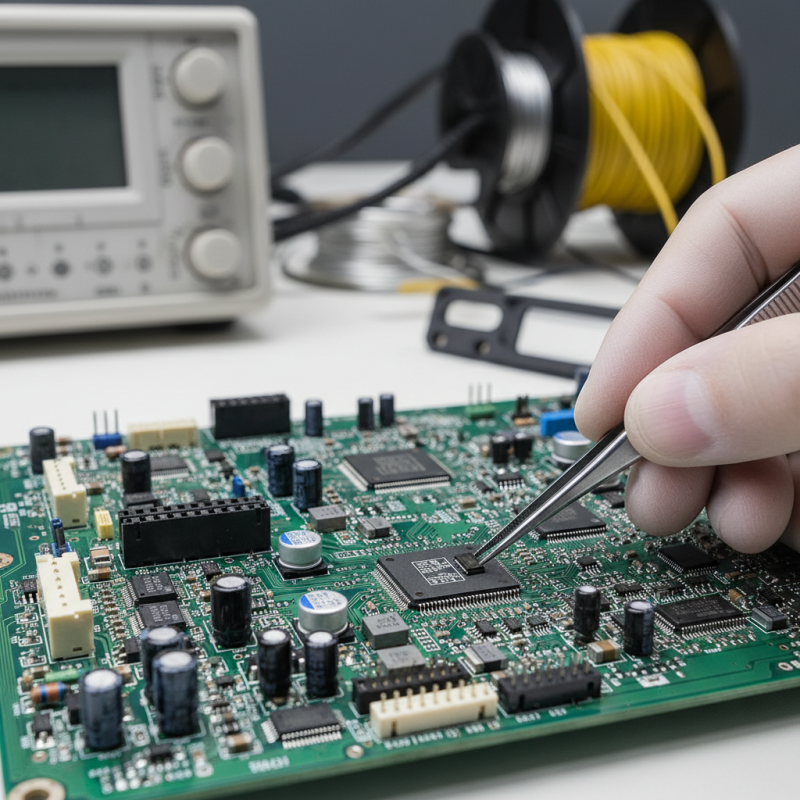
Understanding PCB assembly services is crucial for any electronic project. These services bridge the gap between design and production. They take raw materials and transform them into functioning electronic devices. Each project has unique requirements. Finding a service that meets these needs can be challenging.
Quality matters. Not all assemblers offer the same level of expertise. A small error in a component placement can lead to device failure. It’s common to overlook details, but these can be costly. Different technologies and processes exist for assembly. Some may specialize in high volume, while others focus on intricate designs. Evaluating these options can help avoid mistakes that impact your project.
Communication is essential. A responsive service can clarify doubts that arise during the assembly process. Yet, sometimes, responses can be delayed. This can create frustration and cause setbacks. Understanding how a service operates is important. Asking about their processes can reveal potential issues. A partner who values clarity will help ensure project success.
Identifying Your Project's Specific PCB Assembly Requirements
Identifying your project's specific PCB assembly requirements is a crucial step in ensuring successful production. Start by defining your design specifications clearly. What are the dimensions? What components will you use? Think about the intended function. Each detail matters, from the type of circuit to the material used.
Next, consider your production volume. Will you need small batches, or are you looking for mass production? This choice impacts your assembly process. Ideally, you want a service that can adapt to your needs. Some services may only excel in high-volume runs. Understanding your timelines is equally important.
Don’t overlook the quality of materials and assembly practices. Investigate the technology used by your potential PCB services. Some might claim high standards but lack certifications. Ask for samples or references. It’s vital to align their capabilities with your expectations. Reflect on these factors carefully to avoid costly errors later.
Evaluating the Capabilities and Expertise of PCB Assembly Providers
When choosing a PCB assembly provider, evaluating their capabilities and expertise is crucial. A 2021 report from TechNavio indicates that the global PCB market is expected to grow by 3.4% annually. This growth underscores the importance of selecting a service that can scale with evolving technologies. Look for companies with proven experience in various sectors. Diverse expertise allows them to address unique project requirements effectively.
Inspecting a company's certifications can reveal their knowledge depth. Certifications like IPC-A-610 or ISO 9001 indicate a commitment to quality. Moreover, data from IPC shows that around 75% of defects in PCBs arise from assembly errors. This statistic highlights the need for a provider well-versed in quality control processes. Ask about their inspection techniques and how they mitigate risks.
Always consider the technology they use. Advanced machinery and automation can enhance precision. However, technology alone isn't enough. Evaluating the staff's expertise is vital. A well-trained team can adapt to challenges. Be wary if a provider lacks clear problem-solving frameworks. Finally, ask for case studies or references. Real-world examples offer insights into their capabilities and how they handle complex projects. Engaging with a provider that reflects these qualities can significantly impact the success of your PCB project.
Comparative Analysis of PCB Assembly Service Capabilities
Comparing Costs and Lead Times for PCB Assembly Services
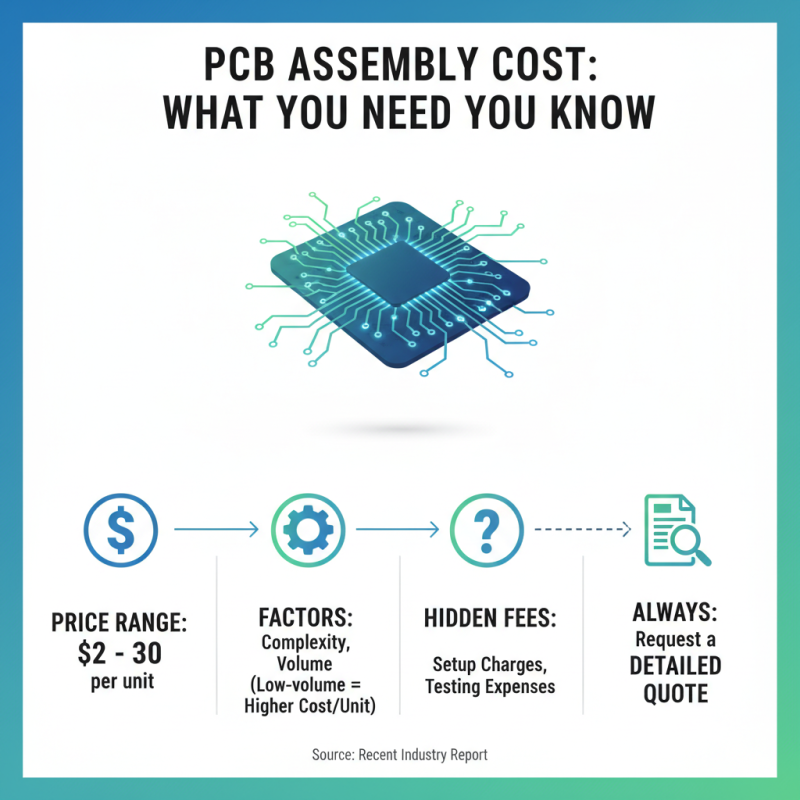
When comparing costs for PCB assembly services, it's important to recognize that pricing can vary significantly. A recent industry report highlights that costs may range from $2 to $30 per unit, depending on factors such as complexity and volume. Low-volume assemblies often incur higher per-unit costs. Moreover, hidden fees can surface, such as setup charges or testing expenses. Always request a detailed quote.
Lead times are another critical consideration. The average lead time for PCB assembly stands at around 2 to 4 weeks. However, expedited services can cut this down to as little as 1 week. Companies might underestimate the impact of lead times on product launches. Delays can stem from sourcing components or increased production demands. Prioritizing reliable communication with suppliers can alleviate some of these concerns.
Quality should never be compromised for cost or speed. It’s essential to find a service that balances affordability with expertise. Some companies may promise quick service but fall short on the final product quality. Thoroughly vet potential partners through reviews and case studies. In the end, a well-considered choice can save time and money in the long run.
Reviewing Customer Testimonials and Service Reliability
Selecting the right PCB assembly service can be daunting. Many companies offer similar services, but reliability is key. Customer testimonials can offer insights into their experiences. Positive feedback often highlights timely deliveries and quality. However, not all reviews are glowing. Some customers mention delays or communication issues. It’s crucial to dig deeper into these comments.
Look for patterns in the reviews. If multiple people mention issues with customer service, take note. It’s a red flag. Service reliability should not be disregarded. You want a partner who communicates effectively, especially during critical phases. Trust the feedback but also balance it with your project needs.
Consider the specifics of each testimonial. Did the service deliver within budget? Were the products meeting expectations? Reflect on both positive and negative experiences shared by others. Choosing based solely on high ratings can be misleading. Each project is unique, and what worked for one may not suit another. Always keep your project goals in mind.
How to Choose the Best PCB Assembly Service for Your Project?
| Service Provider |
Customer Rating |
Average Turnaround Time |
Quality Assurance Measures |
Key Customer Testimonials |
| Provider A |
4.8/5 |
5 days |
ISO 9001 Certified, IPC-A-610 Compliant |
"Exceptional service, fast turnaround!" |
| Provider B |
4.5/5 |
7 days |
RoHS Compliant, Full functional testing |
"Great support team and quality products." |
| Provider C |
4.2/5 |
10 days |
DFM Analysis, Visual Inspection |
"Timely deliveries, but could improve quality." |
| Provider D |
4.7/5 |
6 days |
Automated Testing, IPC Compliance Standards |
"Friendly service and reliable quality." |
| Provider E |
4.6/5 |
8 days |
Limited Lifetime Warranty, DFT Checks |
"Reliable and cost-effective solutions!" |