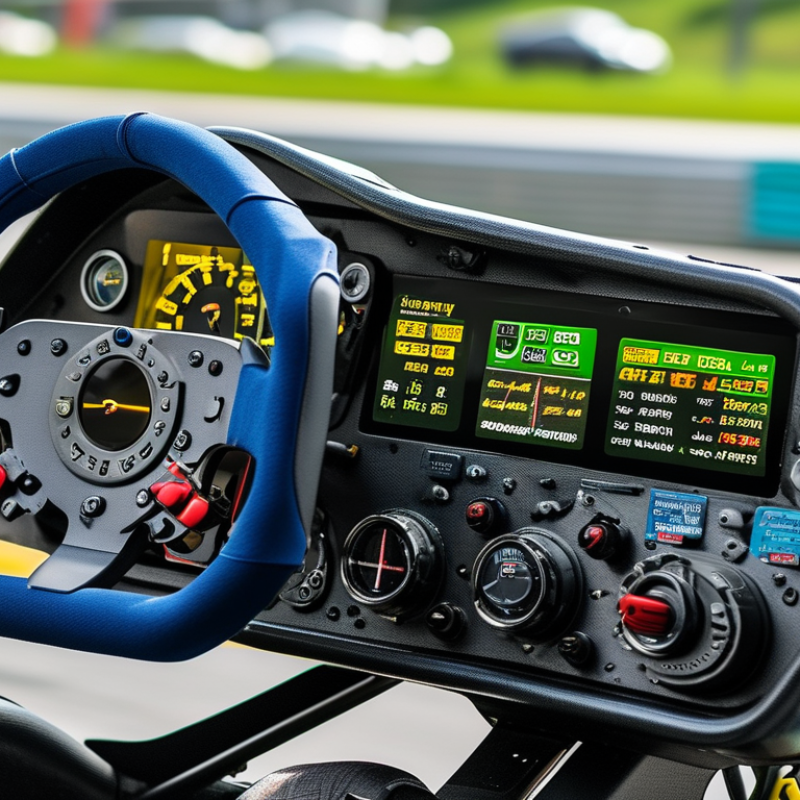
How to Choose the Right LCD Racing Gauge for Your Needs?
Choosing the right LCD Racing Gauge can significantly impact your racing experience. These gauges provide essential data about your vehicle's performance. They help monitor speed, RPM, and other critical metrics in real-time.
Understanding your specific needs is crucial. Not all gauges are created equal. Some models are designed for professional racers, while others suit casual enthusiasts. Evaluating your requirements will guide your choice. Accuracy, readability, and durability are essential factors to consider.
Reflecting on your racing style can also help. Do you race on tracks or off-road? The answer can influence the features you need. Ultimately, picking the ideal LCD Racing Gauge requires careful consideration and knowledge.
Understanding the Basics of LCD Racing Gauges: Function and Features
When choosing an LCD racing gauge, understanding its functions and features is crucial. An LCD racing gauge provides real-time data on various metrics, such as speed, RPM, and temperatures. This information helps drivers make quick decisions during racing.
Different racing gauges have unique features. Some offer customizable displays, allowing users to choose what data is most important. Others may include warning lights, alerting drivers when metrics exceed safe limits. However, some might struggle with visibility in direct sunlight. This can be a significant drawback during day racing events. It's essential to consider where and how you're racing when selecting the right gauge.
The technology behind these gauges varies. Some rely on sensors, while others may require manual input. Accuracy can fluctuate based on these differences. Additionally, installation can be a challenge for some users. Potential buyers should assess their comfort level with technical installations. This can save a lot of frustration down the road. Ultimately, it's about finding a balance between features and ease of use.
How to Choose the Right LCD Racing Gauge for Your Needs?
| Feature | Description | Considerations |
| Display Size | The physical dimensions of the gauge display. | Choose based on visibility and available dashboard space. |
| Resolution | The clarity of the display measured in pixels. | Higher resolution provides clearer readings, especially at high speeds. |
| Data Types | Different metrics displayed, such as speed, RPM, temperature, etc. | Ensure the gauge displays the metrics that are most important for your racing needs. |
| Backlight | Illumination of the gauge for visibility in low light conditions. | Essential for night racing or limited visibility conditions. |
| Customization | Options to change the gauge's appearance and functionality. | More customization allows better alignment with personal preferences and needs. |
| Data Logging | Ability to record and save performance data over time. | Useful for analyzing performance trends and making adjustments. |
| Ease of Installation | How easily the gauge can be installed in your vehicle. | Consider if professional installation might be required. |
Key Specifications to Consider for LCD Racing Gauges: Accuracy and Readability
When selecting an LCD racing gauge, two critical specifications are accuracy and readability. Accuracy ensures that the information displayed reflects the real-time data from your vehicle. An accurate gauge can mean the difference between a podium finish and a disappointing result. Look for models with a high refresh rate. This feature enhances your ability to monitor performance consistently.
Readability is essential, especially during intense racing conditions. Bright displays increase visibility in various lighting. Contrast levels also play a vital role. If a gauge is hard to read, you could miss crucial data. Choosing a model with adjustable brightness can be beneficial. This allows you to tailor visibility according to your environment.
**Tips:**
When assessing a gauge's accuracy, check user reviews and expert opinions. Verify if it meets the racing regulations of your specific events. For readability, evaluate the design of the layout. Sometimes, a simple display is more functional than complex graphics. Don't hesitate to invest time in finding what fits your needs best.
Performance Comparison of LCD Racing Gauges
This chart illustrates the performance comparison of different LCD racing gauges based on key specifications such as accuracy, readability, response time, durability, and price. Each metric is rated out of 100 to provide a clear understanding of the strengths and weaknesses of various models.
Decoding Different Types of LCD Racing Gauges: RPM, Speed, and Temperature
When it comes to choosing an LCD racing gauge, understanding the different types is essential. RPM gauges help you monitor engine speed. They allow for optimal gear shifting and can indicate engine performance. A well-calibrated RPM gauge provides crucial feedback during races. If the needle bounces or fluctuates, it may need recalibration. This could affect your racing strategy.
Speed gauges are another key component. They display your car's current speed in real time. Accurate speed readings are critical for maintaining control on the track. Inconsistent speed readings can lead to misjudgments. You might push your car too hard, resulting in loss of traction. It is important to ensure that these gauges are designed for high performance.
Lastly, temperature gauges monitor the engine and fluid temperatures. Keeping an eye on these readings can prevent overheating. An accurate temperature gauge is vital for longevity and performance. If the display shows erratic changes, take note. This could signal potential problems. Regularly inspect and maintain these gauges for reliability.
Evaluating Brand Reputation and Reviews for LCD Racing Gauges in the Market
When selecting an LCD racing gauge, evaluating brand reputation and user reviews is crucial. A recent industry report indicated that 72% of users prioritize brand reputation when making purchasing decisions. This statistic highlights the importance of reputable brands in the racing community. Many enthusiasts rely on the collective experiences of others to guide their choices.
Reading user reviews can reveal common issues and strengths associated with various models. A gauge may have a sleek design but could be plagued by accuracy problems. Inconsistent customer feedback can also signal potential reliability issues. Checking platforms where users recount their experiences allows for a more informed decision.
Additionally, some brands may have positive reviews yet lack comprehensive support. This could lead to frustrations if issues arise with the gauge. According to data, about 54% of consumers value responsive customer service. Ultimately, a thorough evaluation of brand testimonials and user experiences can greatly enhance your selection process. Make every effort to dive deeper into product reviews, verifying claims and assessing the overall satisfaction of past users.
Budget Considerations: Balancing Cost Against Performance in LCD Racing Gauges
When choosing the right LCD racing gauge, budget plays a critical role. Some gauges are affordable but may offer limited features. A study in the automotive sector revealed that 40% of racers prioritize cost over performance. This choice can lead to compromising vital data accuracy.
It's essential to balance cost and performance. High-performance gauges often exceed $300 but provide detailed telemetry. On the other hand, lower-end options may start at $100 but lack crucial functionalities like real-time data display. Ensuring that your budget aligns with your racing needs is paramount for effectiveness.
Tip: Research features that matter most. Identify which data points you cannot afford to miss during races. This will help you make better decisions without overspending.
Another critical point involves ongoing costs. Some gauges require additional sensors or software. Keeping track of these potential expenses is vital. Allocate a portion of your budget for upgrades and maintenance, as this can enhance your racing experience.
Tip: Consider the long-term value of the gauge. Investing in a reliable product may save money on replacements and maintenance down the line. Don't overlook the potential costs that come with cheaper options.