Why Choose a Reliable W Beam Supplier?
Choosing a reliable W Beam Supplier is a practical decision with consequences beyond the purchase order. Beam dimensions, steel grade, straightness, and surface condition all affect how smoothly material moves from delivery to fabrication. A small mismatch can mean extra sorting, rework, or a delayed lift. Those details deserve attention.
For an illustrative expert perspective, fictional procurement specialist Daniel Mercer puts it this way: “A dependable beam supplier makes specifications, traceability, and delivery timing easy to verify.” This is an original illustrative quotation, not a sourced statement from a real expert. The principle is still useful: ask for clear product data, applicable mill documentation, and confirmation that the quoted section matches the project schedule. Check how the supplier handles substitutions and reports quality concerns, too. Details matter. A polished catalog alone proves little.
Reliable service is not the same as promising perfection. Even a careful supplier can face transport delays or stock changes, and buyers should leave room to review those risks. Ask direct questions. Compare answers, not just prices. A W Beam Supplier that communicates clearly can help engineers, fabricators, and purchasing teams make better-informed choices. The less glamorous checks—labels, paperwork, bundle condition, and delivery coordination—often reveal how well a supplier manages the work. Still, no single checklist replaces qualified project review. Use this introduction as a starting point, then verify requirements against the actual drawings and specifications.
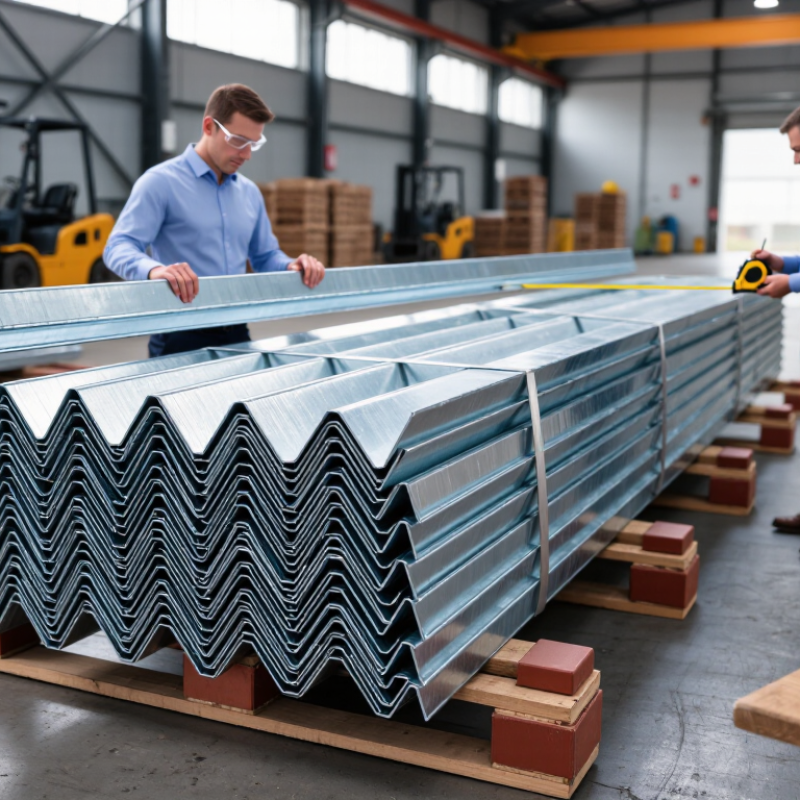
What W-Beams Are: ASTM A992’s 50 ksi Minimum Yield Strength
Why Choose a Reliable W Beam Supplier?
What W-Beams Are: ASTM A992’s 50 ksi Minimum Yield Strength
W-beams are structural steel shapes with wide, parallel flanges and a connecting web. Their proportions help them resist bending in building frames, platforms, and other engineered structures. ASTM A992 specifies a minimum yield strength of 50 ksi, or 50,000 psi. Yield strength marks the stress level at which steel begins to deform permanently. It is not a beam’s allowable load.
That distinction matters. A beam’s capacity also depends on its section size, span, lateral bracing, connections, and applied loads. Engineers use the specified grade within those calculations; they should not treat 50 ksi as a universal capacity figure. The actual steel may test above the minimum, but design assumptions still need to follow the project documents.
A dependable supplier can provide material test reports and traceable heat numbers. During receiving, matching the beam’s markings to its paperwork is a small check with real value. Dimensions and grade should also match the purchase order. It is easy to overvalue the headline number. A certificate cannot correct a wrong section, and a quick visual check cannot confirm yield strength. Both paperwork and careful inspection matter.
Why Choose a Reliable W Beam Supplier? — What W-Beams Are: ASTM A992’s 50 ksi Minimum Yield Strength | Data Dimension | Verified Information | What to Confirm When Sourcing |
| W-beam shape | A W-shape is a wide-flange structural steel section with parallel flange surfaces. Its designation identifies a nominal depth and weight per unit length. | Specify the required AISC shape designation and verify the section against the applicable shape-property tables. |
| ASTM A992 grade | ASTM A992/A992M is a structural steel specification commonly used for rolled W-shapes. | Request material documentation that identifies the delivered steel as ASTM A992/A992M and matches the ordered shape and heat. |
| Minimum yield strength | ASTM A992 specifies a minimum yield strength of 50 ksi (approximately 345 MPa). | Check the specified grade and mill test report; do not treat the minimum value as a substitute for project-specific design checks. |
| Tensile strength | ASTM A992 specifies a minimum tensile strength of 65 ksi (approximately 450 MPa). | Confirm the reported tensile properties comply with the edition of the specification required by the project. |
| Shape dimensions and weight | W-shape dimensions and nominal weights vary by section. For example, W12×26 denotes a W-shape with a nominal depth of 12 inches and a nominal weight of 26 lb/ft. | Verify depth, flange width, web and flange thickness, length, and unit weight against the exact ordered section. |
| Dimensional tolerances | Applicable dimensional and mass tolerances are addressed by ASTM A6/A6M for rolled structural steel products. | Check the applicable ASTM A6/A6M requirements and any tighter tolerances stated in the project documents. |
| Traceability and inspection | Material test reports can provide heat-specific chemical and mechanical test results for supplied steel. | Confirm that documentation, heat identification, section markings, and delivery records can be matched to the shipment. |
| Delivery condition | Length, cutting, surface condition, handling, and delivery requirements depend on the order and project specifications. | Agree on cut lengths, permitted condition, packaging, delivery schedule, and inspection requirements before purchase. |
Which Certifications and Mill Test Reports Verify a Supplier’s Steel
A reliable W-beam supplier should provide evidence for both its quality system and the steel in each shipment. A current ISO 9001 certificate can show that documented processes are in place, but it does not certify an individual beam. Check the certificate’s scope, issuing body, and validity dates. In World Steel Association’s World Steel in Figures 2024, global crude steel production reached 1,892.2 million tonnes in 2023. At that scale, traceable batch records matter.
Ask for a mill test report (MTR), also called a material test certificate, linked to the beam’s heat number. For U.S. structural shapes, check the specified grade, such as ASTM A992, and applicable general requirements, such as ASTM A6/A6M. The MTR should identify the heat, report chemical analysis and mechanical test results, and show the applicable specification. Compare its heat number with the beam tag or marking. Small mismatch, big problem. A document that lists only a grade is not enough to verify that specific piece.
For products supplied under European documentation, an EN 10204 type 3.1 inspection certificate reports specific inspection results and is validated by the manufacturer’s authorized representative. Confirm that the reported yield strength, tensile strength, and chemistry meet the ordered grade; don’t rely on a generic certificate. Paperwork can still be wrong. Ask the supplier to resolve unclear heat numbers, missing test values, or inconsistent dimensions before fabrication, and retain the records with the project files.
How Section Dimensions and AISC Tolerances Ensure W-Beam Fit
Why Choose a Reliable W Beam Supplier?
How Section Dimensions and AISC Tolerances Ensure W-Beam Fit
A W beam can match its nominal designation and still need careful checking. Depth, flange width, web thickness, and flange thickness affect connections, clearances, and bearing. ASTM A6/A6M sets dimensional and mass tolerances for rolled structural shapes. AISC’s Code of Standard Practice addresses fabrication and erection tolerances, which are separate checks. That distinction matters. A dimension accepted at the mill does not guarantee every site connection will fit without adjustment.
Ask for a mill test report and verify the specified shape against the order documents. Compare actual measurements and required material properties with the project specifications and applicable ASTM requirements. AISC guidance also emphasizes coordinated drawings and defined responsibilities; missing connection details can create costly fit-up surprises. Even a small flange-width difference may matter where a plate or bolt group has tight clearance. I have seen drawings look complete, yet leave too little room for a wrench.
Tips: Confirm the exact W-shape designation, length, grade, and applicable tolerance requirements before release. Check critical dimensions at delivery, especially for tight connections. Keep records. A tape measure is useful, but it cannot replace calibrated inspection when tolerances are close. Some uncertainty remains, so flag borderline measurements before fabrication rather than assuming they will work in the field.
How Inventory and Delivery Capacity Affect Project Schedules
On a steel project, a few unavailable W beams can hold up more than one crew. Reliable supply starts with confirmed stock by section size, weight, length, and grade—not a broad “in stock” claim. Ask whether quantities are physically on hand, reserved for your order, or still awaiting mill production. That distinction changes the schedule. A supplier should also share inspection documents and flag substitutions before fabrication drawings are released. If pieces arrive in mixed lengths, crews may lose hours sorting bundles beside the laydown area. Small gaps matter.
Delivery capacity matters just as much. Confirm truck availability, loading sequence, site access limits, and whether shipments can be split to match erection phases. For example, sending columns before the crane and foundations are ready may create double handling and crowded storage. A dependable supplier tracks dispatch dates, communicates delays early, and gives realistic arrival windows rather than optimistic promises. Ask for a written schedule linked to purchase quantities and required-on-site dates. Keep a modest buffer for damaged pieces or measurement changes, but check storage and cash-flow impacts before ordering extra steel. No plan is perfect. Review the schedule with the fabricator, site lead, and supplier before release; a detail can still be missed.
Why Choose a Reliable W Beam Supplier?
How Inventory and Delivery Capacity Affect Project Schedules
Illustrative planning scenario, not a market benchmark: estimated order-to-site time increases when beams must be transferred or produced. Confirm actual lead times with suppliers based on section size, quantity, location, and transport requirements.
How to Compare Suppliers by Compliance, Traceability, and Lead-Time Data
A reliable W beam supplier should make comparison straightforward, not ask buyers to rely on polished claims. Request current inspection records, mill test reports, and the standard or specification each product is supplied against. Check that grade, dimensions, length, and heat or batch numbers match across the quotation and documents. If a certificate uses vague descriptions, ask for a corrected copy before approving the order.
Ask for evidence.
For a live project, this small check can prevent confusion when bundles arrive with similar markings. Compliance is more than a logo on a PDF.
Traceability should connect each beam to its production and inspection records. Ask how heat numbers are marked on the material and whether those numbers appear on packing lists and certificates. A clear paper trail helps resolve a mismatch without guessing.
Lead-time data deserves the same scrutiny. Compare quoted production time, dispatch date, transit estimate, and any stated buffer separately. Ask whether the date reflects stock on hand or a production slot, and what updates you will receive if plans change.
A neat spreadsheet can still hide assumptions. Some suppliers may provide estimates rather than firm dates, so record that distinction and confirm it before scheduling installation. The comparison may feel overly detailed; it is not perfect, but it makes risks easier to see.