How to Choose the Best Printed Circuit for Your Needs?
Choosing the right printed circuit is crucial for the success of any electronic project. The global market for printed circuits is expected to reach over $75 billion by 2025, as reported by industry analysts. With such significant growth, making informed decisions is vital. Renowned expert Dr. Emily Han, a leading figure in PCB innovations, states, "Understanding your specific needs is the first step in selecting the best printed circuit for your applications."
Printed circuits serve as the backbone of modern electronics. They connect various components and ensure the functionality of devices. However, not all printed circuits are created equal. The wrong choice can lead to device failures, increased costs, or delays. Carefully assessing your requirements is essential. Consider factors such as size, complexity, and material specifications.
Navigating the printed circuit landscape can be challenging. Many overlook critical aspects like thermal management and signal integrity. Ignoring these can compromise performance. Research suggests that approximately 30% of electronic failures stem from improper printed circuit design. Hence, exploring capabilities and consulting with experts can clarify the ideal printed circuit for your needs.
Understanding Printed Circuit Boards (PCBs) and Their Applications
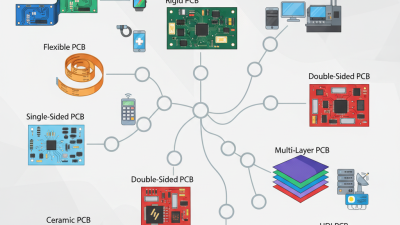
Printed Circuit Boards (PCBs) are essential components in modern electronics. They serve as a base for electronic components, providing electrical connections. Understanding their applications helps in selecting the right PCB for specific needs. Different types of PCBs, such as single-sided, double-sided, and multi-layer, each serve unique requirements.
When choosing a PCB, consider its intended use. For instance, PCBs used in high-frequency devices require specific materials that reduce signal loss. Additionally, certain industries, like aerospace or medical, mandate stricter standards for reliability. This can ultimately affect your project's success.
Tips: Always evaluate the environment the PCB will operate in. High humidity or temperature fluctuations can impact performance. Collaborate with experienced engineers to define your specifications clearly. Don't overlook the importance of testing prototypes before full-scale production. Refining your design is crucial, as it may reveal unexpected issues or necessary improvements. Each decision shapes the final product.
Identifying Your Specific Needs and Requirements for PCB Design
When considering the design of a printed circuit board (PCB), identifying your specific needs is essential. Start by assessing the function of your PCB. Will it handle high frequencies or operate in harsh environments? These factors will directly impact the material and design choices. Durability is vital for many applications. For instance, if your PCB will be used in an automotive setting, it needs to withstand extreme temperatures and vibrations.
Next, consider the layout and complexity of your circuit. More complex designs may require advanced routing techniques. Think about the size constraints as well. Compact spaces will dictate the design approach, influencing component placement and trace width. The number of layers in your PCB can also impact its performance and cost. Keep in mind, achieving a balance between complexity and simplicity may require thoughtful reflection.
Finally, think about future scalability. Are you likely to expand your device's capabilities later? Planning for growth can save considerable costs down the line. Engaging with experienced designers can provide insights that are not always obvious. Their expertise can help you navigate the unique challenges of your project. Making the right choices early can lead to a successful design that meets your expectations.
Factors to Consider When Selecting PCB Materials and Types
Choosing the right printed circuit board (PCB) is critical for any electronic project. Various factors play a role in this decision. Materials, types, and manufacturing processes must align with project requirements.
Material choice is paramount. For instance, FR-4 is common for general-purpose applications. This glass-reinforced epoxy laminate offers excellent insulation and thermal stability. According to IPC's standards, 75% of PCBs utilize FR-4. However, in systems that require higher frequencies, materials like Rogers or PTFE may be necessary. These options can enhance signal integrity but often come with increased costs.
Type differentiation is also vital. Rigid, flexible, and rigid-flex PCBs each serve unique functions. Rigid boards provide structural support for permanent devices, while flexible boards enable designs that fit into compact spaces. Industries increasingly seek innovative designs. In fact, a recent report noted a growth of 30% in flexible PCB applications over the past five years. Choosing the wrong type can lead to project delays or failures. It's essential to reflect on project goals while considering these factors to ensure the best choice is made.
How to Choose the Best Printed Circuit for Your Needs?
| Factor |
Description |
Material Type |
Common Uses |
| Thermal Management |
Ability to dissipate heat effectively. |
FR-4, Metal Core |
LEDs, Power supplies |
| Flexibility |
The ability to bend and adapt to space constraints. |
Flexible PCB |
Wearable devices, Smartphones |
| Dielectric Strength |
Resistance to electrical breakdown. |
PTFE, High-Frequency laminate |
RF applications, High-speed circuits |
| Cost Efficiency |
Balancing performance with manufacturing cost. |
FR-4 |
Consumer electronics, General applications |
| Environmental Resistance |
Ability to withstand harsh environmental conditions. |
Epoxy, Polyimide |
Aerospace, Military applications |
Evaluating PCB Manufacturers: Quality, Cost, and Lead Time
When selecting a printed circuit board (PCB) manufacturer, evaluating key factors is crucial. Quality, cost, and lead time significantly impact the overall success of your project. According to industry reports, 72% of companies prioritize quality over cost in their PCB selection process. This highlights the importance of reliable manufacturers who can consistently deliver high-quality products.
Consider the certifications held by potential manufacturers. ISO standards alone do not guarantee quality. It's essential to review their testing procedures and track record. An unreliable manufacturer may deliver low-cost options, but this can lead to increased costs in the long run due to rework and failures.
Tip: Always request samples before making a significant commitment. This step can reveal a manufacturer's true capabilities.
Lead time is another critical factor. Current trends indicate that shorter lead times can enhance time-to-market by 30%. However, this often requires trade-offs with cost and quality. Balancing these elements is essential.
Tip: Communicate openly with your manufacturer about your timeline and budget expectations. Clear communication fosters a better understanding and can lead to improved results.
In a rapidly changing market, reflecting on your choices is vital. An initial focus on cost may seem practical, but ensure it does not compromise quality. Navigating these complexities requires experience and diligent research.
Evaluation of PCB Manufacturers: Quality, Cost, and Lead Time
Exploring Advanced Features and Technologies in Printed Circuits
When selecting printed circuits, technology plays a crucial role. Advanced features like blind and buried vias help maximize space while improving performance. A recent report from IPC indicates that manufacturers are increasingly adopting these technologies, with 45% of new designs incorporating such features. This shift enhances signal integrity and reduces electromagnetic interference, making circuits more reliable.
Another key aspect is material choice. High-frequency laminates, for instance, are gaining popularity due to their superior performance in demanding applications. According to a study by Research and Markets, the market for such materials is expected to grow by 7% annually until 2025. Selecting the right substrate can significantly impact functionality and efficiency.
However, striking the right balance between cost and performance can be challenging. Some advanced features may increase production costs. A company might invest heavily in new technology but find that it has not improved performance as expected. Continuous evaluation of industry trends and material characteristics is essential for making informed decisions. Understanding these advanced features helps ensure that printed circuits meet specific needs and applications effectively.