China Top Printed Board Assembly Suppliers for Global Buyers?
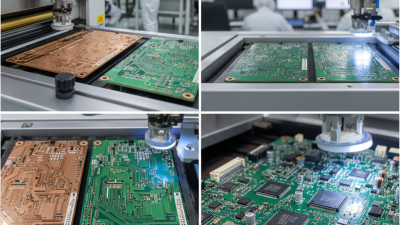
China has emerged as a leading hub for printed board assembly (PBA). This growth is driven by a combination of competitive pricing and advanced manufacturing technology. As global buyers seek reliable suppliers, understanding China's market dynamics becomes essential.
China's printed board assembly industry showcases a mix of well-established companies and emerging players. These suppliers offer a range of services, from prototype development to mass production. However, selection can be challenging due to the vast number of options available. Buyers must assess not only pricing but also quality and reliability.
Additionally, transparency in communication and service quality is crucial. Many suppliers aim to meet stringent international standards. Yet, some may fall short, leaving buyers frustrated. Therefore, it is vital for global buyers to thoroughly evaluate potential suppliers. Doing so enhances the chances of successful partnerships in the printed board assembly sector.
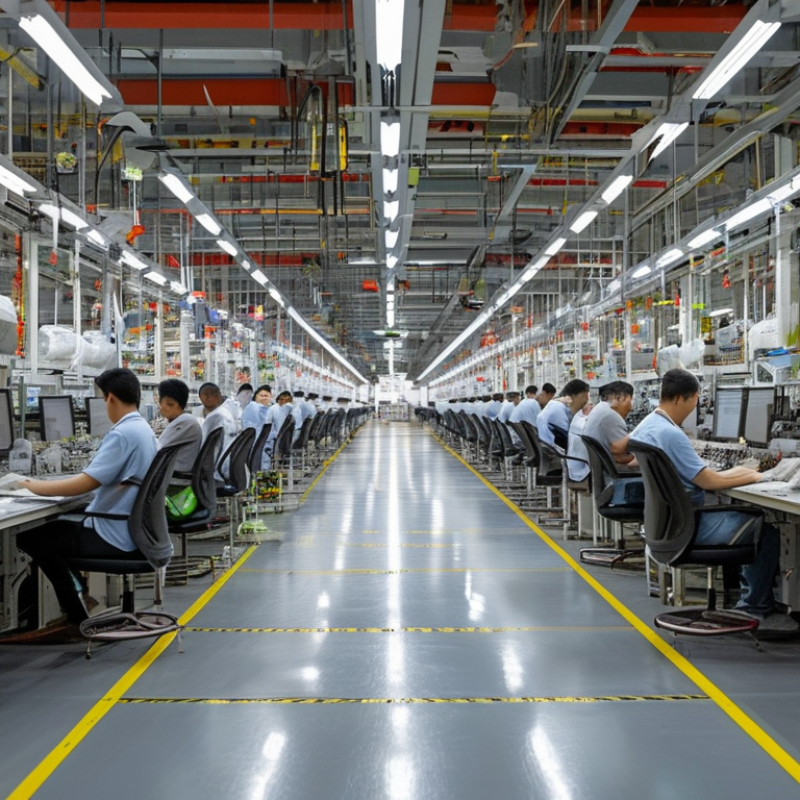
China's Role in the Global Printed Board Assembly Market
China has become a dominant player in the global Printed Board Assembly (PBA) market. As of 2023, nearly 35% of the world’s PCB production is concentrated in China. This growth can be attributed to advanced manufacturing capabilities and a robust supply chain network. Reports indicate that the country's investment in automated technologies and skilled labor has enhanced production efficiency significantly.
Moreover, the demand for PCBs is surging due to the rise of electronics in various sectors. For instance, the automotive industry is projected to increase its PCB usage by 20% over the next five years. However, challenges remain. Quality control and environmental regulations are areas where improvements are needed. Industry experts suggest that ensuring stringent quality checks will be crucial for maintaining global competitiveness.
China's PBA suppliers face stiff competition from various regions. While they dominate in volume, concerns about quality and innovation linger. Some local players still struggle with adopting leading-edge technologies. Developing a proactive approach to R&D can help bridge this gap, pushing Chinese manufacturers toward a more sustainable and innovative future in the global marketplace.
China Top Printed Board Assembly Suppliers for Global Buyers
| Supplier Country |
Annual Revenue (USD million) |
Market Share (%) |
Number of Employees |
Years in Business |
| China |
1200 |
25 |
5000 |
15 |
| USA |
800 |
20 |
3000 |
12 |
| Germany |
700 |
15 |
2500 |
10 |
| Japan |
900 |
18 |
3500 |
14 |
| South Korea |
600 |
10 |
2000 |
8 |
Top Printed Board Assembly Suppliers in China
China is a major player in the printed board assembly (PBA) market. Many global companies look to Chinese suppliers for their production needs. The country's advanced technology and skilled workforce contribute to high-quality PCB assemblies. However, not all suppliers offer the same level of expertise. Some lack the necessary certifications or quality control processes. This can lead to issues with product reliability.
When selecting a PBA supplier in China, experience matters. Suppliers with a proven track record are often more reliable. Look for partners who can demonstrate their expertise through case studies or testimonials. It's essential to assess their production capabilities and whether they can meet your specific requirements. Be aware of the risks. Some suppliers may promise fast production times but fail to maintain quality. This can impact your own product delivery schedules and customer satisfaction.
Communication is key in this process. Make sure you have a clear understanding of your needs and expectations. This will help you find a supplier who aligns with your goals. Visiting potential suppliers can provide valuable insight into their operations. It also allows for a more personal connection. This is often overlooked but can enhance the partnership and build trust.
Top Printed Board Assembly Suppliers in China
Criteria for Selecting Printed Board Assembly Suppliers
When selecting printed board assembly (PBA) suppliers, it's crucial to consider several criteria that can influence the success of your projects. Experience in the industry plays a significant role. A supplier with a proven track record is likely to understand the unique challenges of your specific requirements. It's essential to evaluate their expertise not just in assembly, but also in the materials and technologies involved.
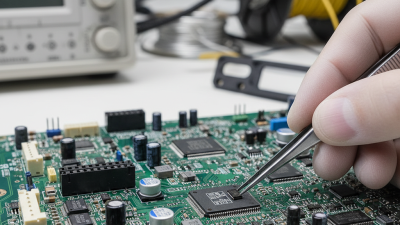
Another critical factor is the supplier’s quality assurance processes. A reliable supplier will have robust measures in place to ensure that all components meet required standards. Look for certifications that demonstrate compliance with industry benchmarks. This can provide reassurance that the end products will be durable and effective, thus reducing the risk of failures.
Tips include checking references and reading reviews to gauge past performance. Additionally, consider their flexibility in production capacity, especially for high-volume needs. Flexibility can be a reflection of both reliability and the ability to adapt to changing project demands. Don't hesitate to engage in open discussions about your needs; clear communication can uncover potential issues. Ultimately, aim to partner with suppliers who not only meet criteria but align with your business values to foster a successful long-term relationship.
Key Innovations in China's Board Assembly Technology
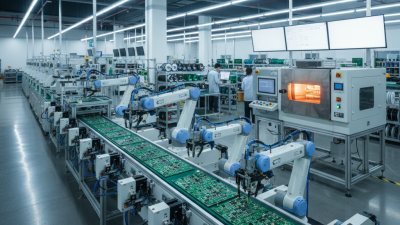
China has established itself as a powerhouse in printed board assembly technology. The country’s advancements focus on precision, efficiency, and sustainability. Automation has significantly reduced assembly time and minimized human error. Advanced robotics streamline processes and improve output, allowing suppliers to meet global demand effectively.
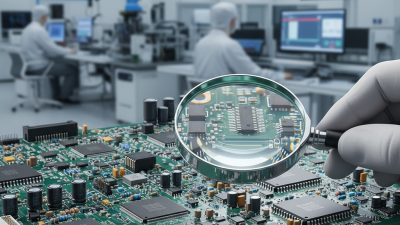
Another innovation is the integration of AI-driven inspection systems. These systems ensure quality control by detecting defects in real-time. This proactive approach not only enhances product reliability but also supports rapid iterations in design. Improved materials are also a focus, contributing to stronger and lighter boards. This shift helps manufacturers stay competitive in a rapidly evolving market.
When selecting a supplier, consider their expertise in new technologies. Assess their track record in quality assurance. Investigate how they manage supply chain risks. Make sure they adhere to international standards. These factors are crucial for finding the right partner. Ensure your chosen supplier has solid experience in adapting to innovations.
Challenges Faced by Chinese Printed Board Assembly Suppliers
Chinese printed board assembly (PBA) suppliers continue to be vital players in the global electronics market. However, numerous challenges hinder their growth and performance. The ongoing semiconductor shortage is perhaps the most significant issue. According to a recent industry report, over 80% of manufacturers have felt its impact. This shortage has led to increased costs and longer lead times for components, jeopardizing delivery schedules.
Additionally, supply chain disruptions remain a pressing concern. Fluctuations in raw material prices have strained profit margins. Many suppliers report difficulties in sourcing materials, primarily due to geopolitical tensions and trade restrictions. In a survey, 67% of PBA companies cited these issues as critical challenges in their operations. The complexity of global logistics is amplifying these hurdles, particularly for firms reliant on timely deliveries.
Workforce constraints also pose a dilemma. While demand for skilled labor in the electronics sector grows, the supply of qualified technicians remains limited. A recent labor market analysis shows that over 50% of PBA firms struggle to find workers with the required expertise. This skills gap can hinder innovation and productivity, stalling advancements in technology. As these suppliers navigate such obstacles, continuous adaptation is essential to maintain their competitive edge in the international landscape.