Let Us Know How We Can Help. We Are Your Dedicated Solutions Provider.
Choosing a Tote Shuttle system is rarely a simple equipment decision. It affects storage density, order speed, labor planning, and long-term operating costs. For global buyers, the right solution must perform reliably across different warehouses, climates, product mixes, and service environments.
A Tote Shuttle moves containers through compact storage lanes with precise control and repeatable handling. In practical use, small details matter. Sensors must detect tote positions accurately. Shuttle batteries need dependable charging routines. Transfer stations should align smoothly, even during busy shifts. A system that looks impressive in a demonstration may behave differently after months of dust, temperature changes, and constant cycling.
This guide reviews ten strong Tote Shuttle systems for international purchasing teams. The comparison considers payload capacity, storage density, throughput, software integration, maintenance access, safety design, and supplier support. It also examines commissioning experience, spare-parts availability, training, and realistic return expectations. These factors often matter more than a polished specification sheet.
Performance is not everything.
A high-speed system may create bottlenecks at picking stations. A lower-cost model may require more maintenance than expected. Some suppliers provide excellent engineering but limited local support. Others offer flexible customization, yet their delivery schedules can be uncertain. These weaknesses deserve honest attention.
The selected systems represent different warehouse strategies and budget levels. They are not ranked by marketing claims alone. Instead, the discussion focuses on practical evidence, technical fit, and dependable ownership. Buyers should still verify site conditions, tote dimensions, fire protection requirements, and integration responsibilities before signing a contract. No shortlist can replace a careful warehouse study.
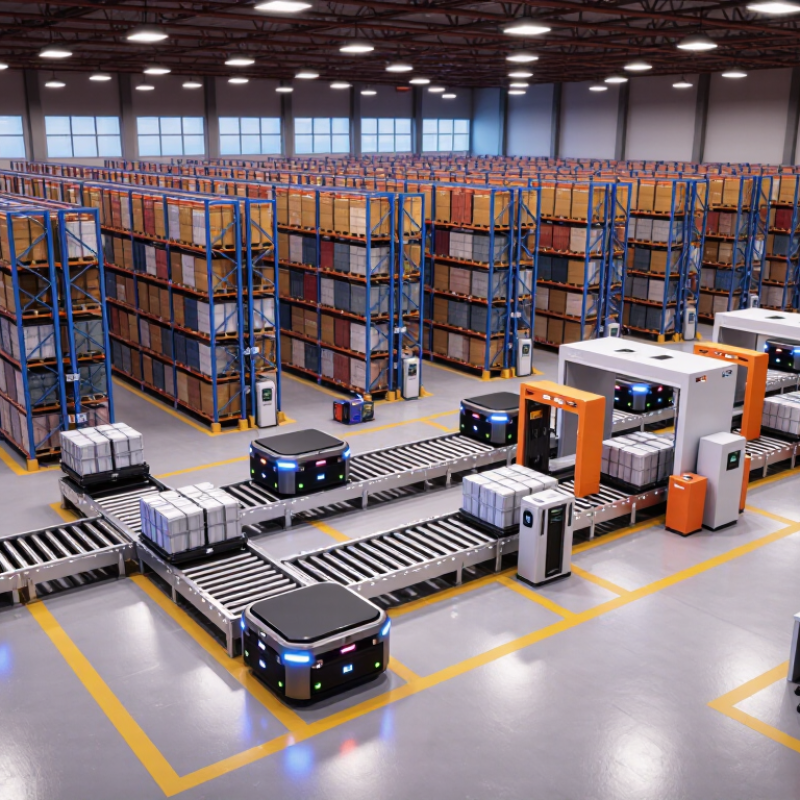
Tote shuttle systems are automated storage solutions designed for dense, fast-moving inventory. Global buyers should examine more than advertised throughput. The system’s scope includes storage racks, shuttles, conveyors, lifts, tote stations, controls, and software integration. A practical design may handle 600 × 400 mm totes, multiple load levels, and varied product weights. However, capacity depends on tote dimensions, order profiles, aisle design, and replenishment patterns.
The architecture should match the facility, not only the equipment catalogue. Buyers need clear data on shuttle speed, lift cycles, buffer capacity, access points, and emergency procedures. Integration with warehouse management software is essential for accurate inventory visibility. Local installation conditions also matter, including temperature, floor tolerance, electrical supply, maintenance access, and worker training. I have seen projects overestimate peak performance. Real operations include pauses, tote errors, and uneven demand.
Tips: Request a simulation based on actual order data. Check both peak and average throughput. Ask for recovery procedures when a shuttle, sensor, or conveyor stops. Review spare-part availability and remote support across time zones. Confirm documentation, operator training, and service response times before signing. A cheaper system may create higher long-term costs if maintenance access is poor. Allow room for future expansion, but avoid paying for capacity that current workflows cannot use.
When comparing tote shuttle systems, throughput should be measured under real operating conditions. Ask for sustained totes per hour, not only short demonstration peaks. Record inbound, storage, retrieval, and order-consolidation rates separately. A system handling 600 totes per hour may slow sharply during mixed-order waves. Watch the handoff points. Small delays at lifts or conveyors can become visible queues by midday.
Load performance needs practical testing. Use totes weighing 35–50 kg, including uneven weight distribution and flexible packaging. Check acceleration, braking, fork engagement, and emergency recovery. A heavy tote should not sway like a hanging suitcase. Measure storage density by usable tote positions, not the system’s outer footprint. Ceiling height, fire access, maintenance aisles, and ventilation reduce theoretical capacity. Density matters, but service access matters more.
WCS compatibility is often underestimated. Confirm message formats, response times, inventory feedback, fault codes, and manual operating modes. Run a simulated peak with lost scans and delayed confirmations. The system should fail safely and explain the fault clearly. During evaluations, I prefer logged data over sales estimates. No calculation is perfect. Real tote dimensions vary, and operators make mistakes. A small pilot can reveal congestion that a polished model misses. Keep spare capacity for seasonal peaks, maintenance, and future software changes.
A serious comparison should benchmark ten tote shuttle systems against 100–1,000 totes per hour. That range reflects small picking cells and high-volume fulfillment zones. However, published capacity is rarely the complete story. Tote dimensions, load weight, aisle length, lift speed, and buffer design can change results sharply. In site reviews, I have seen a system rated at 800 totes per hour deliver closer to 620 during mixed-SKU operations. The gap was not a machine failure.
For a fair review, test each system at three levels: 100, 500, and 1,000 totes per hour. Record inbound induction, storage retrieval, order consolidation, and exception handling separately. A loop shuttle may perform steadily at medium volume, while a multi-level design can gain efficiency when vertical storage is fully used. Lift-based systems need careful timing. One delayed lift can affect an entire aisle. Robotic shuttle layouts often offer flexible expansion, but software integration and charging routines deserve equal attention.
Tote accuracy matters too. Count damaged containers, misplaced units, recovery time, and operator touches. These details expose weaknesses that headline speed hides. Global buyers should also compare remote support, spare-part access, training quality, and local maintenance capability. A low purchase price may become expensive after repeated stoppages. My own evaluation method still needs refinement: seasonal peaks and unusual tote shapes are difficult to reproduce in a short trial. That limitation should remain visible in every procurement report.
For global buyers, tote shuttle systems should be evaluated as regulated machinery, not only as storage equipment. EN 528 addresses the safety of rail-dependent storage and retrieval equipment, including travel paths, guarding, emergency stops, and access control. A shuttle lane should have physical barriers, controlled maintenance access, and verified stopping distances. Small gaps matter. A loose tote or misaligned rail can become a serious hazard.
ISO 3691-4 applies when mobile industrial trucks operate without onboard drivers. It emphasizes risk assessment, protective fields, warning signals, operating zones, and safe interaction with people. The MHI 2024 Annual Industry Report identifies robotics and automation as major investment priorities, but adoption does not remove human risk. Operators still enter aisles, clear jams, and inspect sensors. That practical detail is often underestimated.
CE marking requires documented conformity with applicable European safety directives and standards. It is not simply a logo on the machine. For North American projects, UL evaluation may support electrical safety, control panels, wiring, and component selection. Requirements can differ by installation site and authority. Buyers should request the risk assessment, declaration of conformity, electrical drawings, test records, and software safety documentation. Reports and certificates help, but they do not replace commissioning checks. A system can pass factory testing and still reveal unsafe access behavior during live operation.
Comparative specification table for representative tote-shuttle system configurations. Performance values are indicative engineering ranges and must be validated against the tote, rack, layout, controls, and operating environment.
| Rank | Generic System Profile | Typical Tote / Load | Storage Depth | Indicative Throughput | Operating Environment | Typical Safety Functions | EN 528 Assessment | ISO 3691-4 Assessment | CE Documentation Route | UL Documentation Route | Buyer Verification Evidence |
|---|---|---|---|---|---|---|---|---|---|---|---|
| 1 | High-Throughput Multi-Shuttle, Single-Deep | 600 × 400 mm tote Up to 50 kg per tote | 1 tote deep per lane Approx. 6–18 m rack height | Approx. 250–450 tote movements/hour per aisle, depending on layout and lifts | +5°C to +35°C Indoor, controlled warehouse | Guarding, interlocked access doors, emergency stops, safe speed monitoring, anti-collision sensing, tote presence detection | Applicable where rail-dependent storage equipment falls within its scope Verify risk assessment and applicable harmonized standards | Conditional Relevant if autonomous or driverless mobile trucks are integrated into the system | Required for EU placement Technical file, risk assessment, declaration of conformity, instructions, EMC and electrical verification | Application-dependent Evaluate industrial control panels, power systems, drives, and field wiring against applicable UL standards | Layout drawings, rated-load calculations, safety-circuit validation, functional test records, manual, declarations |
| 2 | Double-Deep Tote Shuttle | 600 × 400 mm or 400 × 300 mm tote Up to 35 kg per tote | 2 totes deep per lane Higher cube utilization than single-deep storage | Approx. 180–350 tote movements/hour per aisle | +5°C to +35°C General distribution and e-commerce | Lane-end protection, access interlocks, shuttle-to-shuttle separation, position monitoring, emergency-stop circuit | Potentially applicable Confirm whether the shuttle, rails, lifts, and interfaces constitute rail-dependent storage equipment | Conditional Applies to any driverless industrial truck functions, not automatically to every fixed shuttle | Required for EU placement Confirm machinery, EMC, low-voltage, and radio requirements where relevant | Application-dependent Confirm listing or recognition requirements requested by the authority having jurisdiction | Storage-density calculation, load stability test, stop-distance test, access-control validation, software safety records |
| 3 | Goods-to-Person Shuttle with Lift Interface | Standard plastic tote or carton Up to 50 kg per tote | Single- or double-deep lanes Multiple levels connected by lifts | Approx. 300–600 tote movements/hour per system, depending on lifts and workstations | +10°C to +30°C High-frequency picking operations | Lift door interlocks, overspeed protection, anti-drop devices, light curtains, emergency stops, zone muting control | Usually relevant to the rail-dependent storage equipment Lift safety must also be assessed as part of the complete installation | Conditional Relevant only when driverless trucks or autonomous transfer vehicles are included | Required for EU placement System integrator should define the complete machinery boundary and responsibilities | Application-dependent Review lift controls, panels, drives, sensors, and emergency-power requirements | Integrated safety validation, lift test certificates, throughput test, workstation risk assessment, interface matrix |
| 4 | Cold-Store Tote Shuttle | Insulated or standard tote Up to 50 kg per tote | Single- or double-deep lanes Typically 5–16 m rack height | Approx. 120–280 tote movements/hour per aisle | Approximately −25°C to +5°C Low-temperature warehouse | Low-temperature-rated sensors, heated or protected control components, emergency release, anti-slip access design, temperature alarms | Assess applicability Material selection, condensation control, braking performance, and maintenance access require documented validation | Conditional Driverless vehicle provisions must be evaluated for the cold-store environment | Required for EU placement Environmental limitations and special maintenance instructions must be documented | Application-dependent Verify component temperature ratings and enclosure suitability for the intended market | Cold-start test, thermal rating data, condensation assessment, battery performance data, emergency-recovery procedure |
| 5 | High-Density Buffer Shuttle | 400 × 300 mm or 600 × 400 mm tote Up to 30 kg per tote | Multiple totes per lane Designed for sequencing and buffering | Approx. 200–400 tote movements/hour per aisle | +5°C to +35°C Manufacturing or distribution buffer | Position confirmation, tote anti-jam detection, controlled acceleration, access guarding, safe restart, emergency-stop monitoring | Potentially applicable Confirm equipment classification and the relationship between shuttle, rack, and conveyor interfaces | Conditional Not a blanket requirement for fixed rail shuttles; assess autonomous vehicle elements separately | Required for EU placement Include conveyor and material-flow interfaces in the conformity assessment | Application-dependent Check control-panel, conveyor, motor, and safety-component requirements | Buffer-capacity model, jam-recovery test, restart test, conveyor-interface risk assessment, safety PLC documentation |
| 6 | Heavy-Duty Tote Shuttle | 600 × 400 mm or 800 × 600 mm tote Up to 80 kg per tote | Single-deep lanes Typically 4–14 m rack height | Approx. 100–240 tote movements/hour per aisle | +5°C to +35°C Industrial parts and component storage | Overload monitoring, rack deflection limits, end-stop protection, brake monitoring, access interlocks, emergency stops | Assess against applicable rail-dependent equipment requirements Rated loads, rack interfaces, and structural anchoring require engineering evidence | Conditional Applies only where the installation includes relevant driverless industrial truck functions | Required for EU placement Load-bearing structure and machinery safety must be covered within the technical file | Application-dependent Confirm component certification and field-evaluation needs for the installation | Static and dynamic load tests, rack calculations, overload test, braking-distance record, anchoring details |
| 7 | Mixed-Tote Shuttle with Automatic Width Handling | Multiple tote footprints Typically 10–50 kg per tote | Single-deep lanes Automatic tote identification and routing | Approx. 180–320 tote movements/hour per aisle | +5°C to +35°C SKU-intensive operations | Barcode or RFID confirmation, width-position monitoring, anti-pinch protection, presence sensing, guarded transfer zones | Potentially applicable Additional hazards arise from adjustable mechanisms and automatic format changes | Conditional Assess any autonomous transfer vehicles used between storage and receiving areas | Required for EU placement Software, sensors, adjustable mechanisms, and foreseeable misuse must be assessed | Application-dependent Verify safety-component acceptance and control-system requirements for the target jurisdiction | Tote compatibility matrix, misidentification test, pinch-point assessment, sensor-failure test, software validation |
| 8 | Cleanroom-Compatible Tote Shuttle | Cleanable tote Typically up to 30 kg per tote | Single-deep lanes Short or medium-height storage modules | Approx. 100–220 tote movements/hour per aisle | Controlled temperature and humidity Low-particle production environment | Sealed or protected components, low-shedding materials, guarded drives, controlled access, emergency stops, contamination monitoring where required | Assess applicability EN 528-related machinery safety does not replace cleanroom, hygiene, or contamination-control validation | Conditional Relevant only for applicable autonomous vehicle functions | Required for EU placement Include material declarations, cleaning instructions, electrical safety, and EMC evidence | Application-dependent Confirm enclosure, wiring, and component suitability for the controlled environment | Particle and material data, cleanability validation, ingress protection evidence, risk assessment, maintenance procedure |
| 9 | Battery-Swap or Fast-Charge Shuttle System | Standard tote Typically up to 50 kg per tote | Single- or double-deep lanes Designed for extended operating shifts | Approx. 200–400 tote movements/hour per aisle | +5°C to +35°C Multi-shift operation | Battery temperature monitoring, charging interlocks, electrical isolation, fire-risk controls, emergency stops, state-of-charge monitoring | Assess applicability Battery handling and charging interfaces must be included in the machinery risk assessment | Conditional Apply to relevant driverless industrial truck and charging interactions where present | Required for EU placement Battery, charger, EMC, electrical safety, and machinery documentation must be coordinated | Application-dependent Review battery system, charger, industrial control panel, and fire-protection requirements | Battery safety data, charging test, thermal-event response, isolation test, replacement procedure, maintenance records |
| 10 | Hybrid Shuttle and Autonomous Transfer System | 600 × 400 mm tote or carton Typically up to 50 kg per load | Shuttle lanes combined with floor-level autonomous transfer | Approx. 150–350 tote movements/hour per aisle, depending on traffic and charging strategy | +5°C to +35°C Flexible warehouse automation | Traffic management, protective fields, speed reduction, pedestrian detection, rack guarding, access control, emergency stops, safe restart | Assess applicable rail-dependent equipment Fixed shuttle and rack sections require a separate machinery-safety review from mobile traffic areas | Likely relevant Evaluate driverless industrial trucks, fleet control, operating zones, and protective measures under ISO 3691-4 | Required for EU placement Define responsibilities between shuttle, autonomous vehicle, fleet software, and site integrator | Application-dependent Assess mobile equipment, charging, control panels, safety scanners, and site acceptance requirements | Traffic simulation, protective-field validation, fleet-control test, site acceptance protocol, interface risk assessment |

10 Best Tote Shuttle Systems for Global Buyers
A credible ranking should start with total cost, not catalogue price. I compare energy use, maintenance, integration effort, and ten-year TCO. Each system receives a score under identical operating assumptions. These include 16 hours daily use, 300 operating days yearly, and measured tote weights. Small changes matter.
Energy usually separates close competitors. A shuttle drawing less power during standby can save thousands over a decade. Regenerative braking may reduce consumption further, but only in suitable operating cycles. Maintenance deserves equal attention. I examine motor access, battery replacement intervals, spare-part availability, and technician training needs. A low-cost component is not always cheap when downtime fills a warehouse with waiting pallets.
Integration costs often surprise global buyers. Software interfaces, safety validation, conveyor changes, and site commissioning can exceed the initial engineering allowance. Our first estimate was wrong by nearly 18 percent because we underestimated controls testing. That mistake still influences our scoring model. Reliable TCO calculations include inflation, planned upgrades, emergency repairs, and residual value. They also separate vendor claims from measured field data. Ten years is a long horizon. A system with higher energy efficiency may rank below another option if integration is complex or maintenance access is poor. Buyers should request test logs, service-response records, and a transparent calculation sheet before approving the final ranking. Numbers need context.