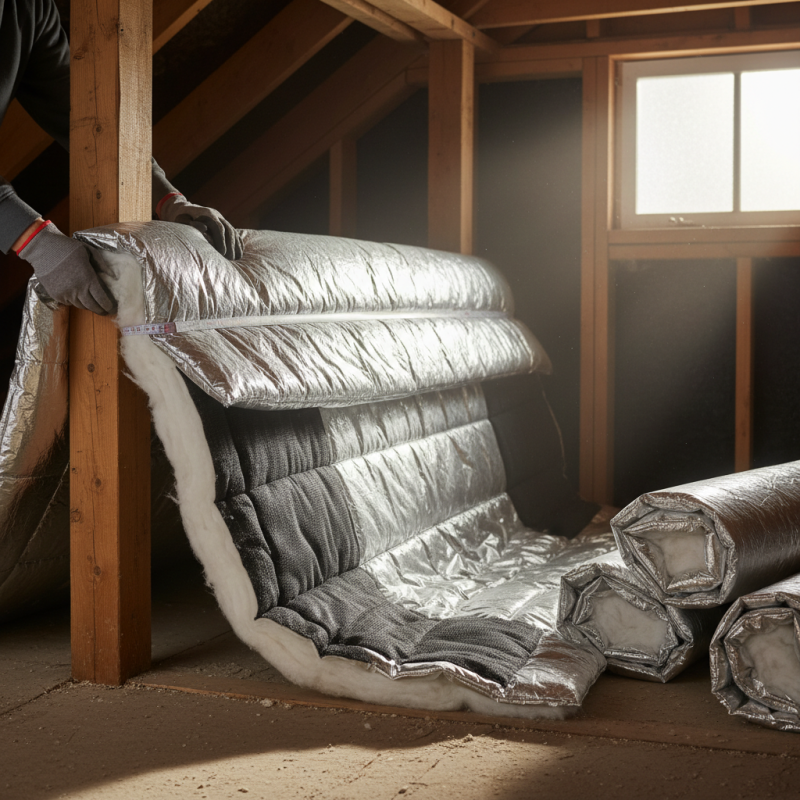
Top Tips for Choosing the Best Thermal Blanket Insulation?
When selecting the right Thermal Blanket Insulation, expert Sarah Henderson emphasizes, "The right choice can significantly impact energy efficiency." Her insights shed light on the critical elements to consider in this industry.
Thermal Blanket Insulation plays a crucial role in maintaining indoor comfort. It minimizes energy loss, reduces heating costs, and improves overall efficiency. Yet, many people overlook the subtle differences in materials and R-values. Choosing the wrong type can lead to inadequate insulation and wasted resources.
The journey to finding the best Thermal Blanket Insulation is not always straightforward. Customers often feel overwhelmed by choices, leading to mistakes in selection. Understanding specific needs and space requirements is essential. Investing time in research and expert advice can lead to a more informed decision, ultimately enhancing sustainability and comfort in living spaces.
Understanding Thermal Blanket Insulation and Its Functionality
Thermal blanket insulation plays a crucial role in energy efficiency and comfort. Understanding its functionality is vital for homeowners. These blankets are designed to reduce heat transfer, keeping spaces warm in winter and cool in summer. According to the U.S. Department of Energy, proper insulation can save households up to 20% on energy bills. This significant reduction highlights the impact of selecting the right insulation options.
When considering thermal blanket insulation, factors such as material type and thickness are essential. Common materials include fiberglass and reflective foil, each offering unique benefits. A study by the American Society of Heating, Refrigerating and Air-Conditioning Engineers notes that the R-value, which measures thermal resistance, is critical. Higher R-values indicate better insulation performance. However, not all spaces require the highest R-value. Balancing cost and effectiveness can lead to better choices. Homeowners should also consider installation challenges. Improper installation may negate the insulation's benefits. This aspect often requires professional assessment.
Evaluating specific needs is necessary. While some areas might benefit from extra insulation, others may not. It’s an ongoing process of learning and adjusting. The right thermal blanket insulation can enhance comfort and efficiency, helping homeowners make wiser energy decisions.
Key Materials Used in High-Performance Thermal Blankets
When selecting the right thermal blanket insulation, understanding key materials is crucial. High-performance thermal blankets often utilize fiberglass, aerogel, and reflective mylar. Each material has unique properties that enhance thermal resistance.
Fiberglass is known for its excellent insulating capabilities. According to the U.S. Department of Energy, fiberglass blankets typically provide R-values ranging from 2 to 4 per inch of thickness. This makes them effective for various applications, from residential to industrial use. However, they can be less effective in extreme moisture environments.
Aerogel, on the other hand, is celebrated for its ultra-lightweight and high insulation performance. It has an R-value that can exceed 10 per inch. Despite its promising benefits, aerogel can be more expensive and requires careful handling. Reflective mylar, another alternative, functions by reflecting radiant heat away. It's especially useful in situations where temperature regulation is critical.
When choosing insulation, consider these tips:
- Evaluate material performance against your specific needs.
- Analyze the environment where the blanket will be used.
- Assess cost versus long-term benefits.
Making a well-informed choice can significantly improve thermal efficiency.
Evaluating R-Value: Importance in Thermal Insulation
When evaluating thermal insulation, the R-value is crucial. This value measures a material's resistance to heat flow. The higher the R-value, the better the thermal performance. For instance, an insulation material with an R-value of 30 will retain heat significantly more than one with an R-value of 10.
Understanding R-values helps in making informed decisions. It’s essential to know the specific requirements of your space. A well-insulated attic may need higher R-values compared to walls. However, many people overlook this. They might choose insulation based on price, neglecting long-term energy savings.
Different materials provide varying R-values. Fiberglass, foam board, and reflective insulation all have unique properties. It’s important to evaluate each option for your specific situation. Some might need more reflection, while others could benefit from density. Researching insulation types ensures informed choices. This process can be daunting, but it leads to better energy efficiency.
Choosing the Right Thickness for Maximum Efficiency
When selecting a thermal blanket insulation, thickness greatly impacts efficiency. Thicker materials provide better heat retention but come with drawbacks. They may feel bulky, making them harder to manage. Aim for a balance that offers warmth without sacrificing comfort.
Choosing the right thickness requires considering your specific needs. For example, a thicker blanket is ideal for colder climates. However, in moderate temperatures, a thinner layer might suffice. It’s essential to assess your insulation environment. Measure how much insulation your space really needs.
Reflect on your daily routine and the temperatures you usually encounter. If you find yourself adjusting your heating often, it’s time to rethink your insulation choice. This process is not always straightforward. Don’t hesitate to experiment until you find the ideal thickness for your situation.
Cost-Effectiveness of Thermal Blankets in Energy Savings
When considering the cost-effectiveness of thermal blanket insulation, energy savings is a crucial factor. Thermal blankets can significantly reduce heat loss. This means lower energy bills in the long run. A well-insulated home requires less heating in winter and less cooling in summer. For many homeowners, these savings can offset the initial cost of the blankets.
However, not all thermal blankets are created equal. It's essential to evaluate the R-value, a measurement of thermal resistance. Higher R-values typically indicate better insulation. Yet, it’s easy to get caught up in technical jargon. Sometimes, the most expensive option may not be the best fit for your situation. Researching regional climate and specific needs can help in making informed decisions.
Consider installation costs as well. DIY options may save money, but professional installation might offer a better long-term return. Mistakes in installation can lead to inefficiencies. It’s important to weigh the potential risks against cost savings. In the end, thorough planning and research can lead to significant energy savings while ensuring your home remains cozy and efficient.
Cost-Effectiveness of Thermal Blankets in Energy Savings
This chart illustrates the estimated annual energy savings achieved by different types of thermal blanket insulation. The data represents the cost-effectiveness of each type in reducing energy consumption for heating and cooling in residential homes.