Best Printed Circuit Assembly Techniques and Tips?
In today's technology-driven world, printed circuit assembly (PCA) plays a vital role. It connects various electronic components to create functional devices. Effective PCA techniques can significantly enhance device performance and reliability.
Understanding the nuances of printed circuit assembly is essential. Specific methods, like surface mount technology, offer advantages but require precision. Mistakes in PCA can lead to device failures. Small misalignments or wrong soldering can be costly and time-consuming.
Moreover, choosing the right materials is crucial. Not all printed circuit boards (PCBs) are created equal. Knowing which materials to use can affect the durability and efficiency of assemblies. Adopting best practices can avoid common pitfalls in printed circuit assembly. It’s a journey of constant learning and adaptation. While many techniques exist, not every choice will fit all projects. Reflecting on past experiences can inspire better decisions in future assemblies.
Understanding Printed Circuit Assembly (PCA) Basics
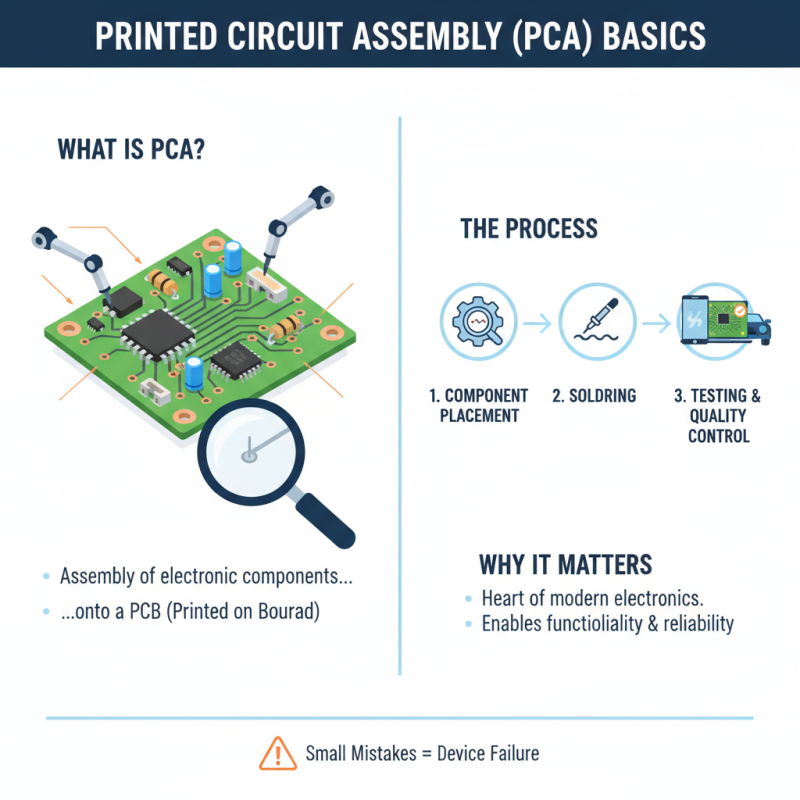
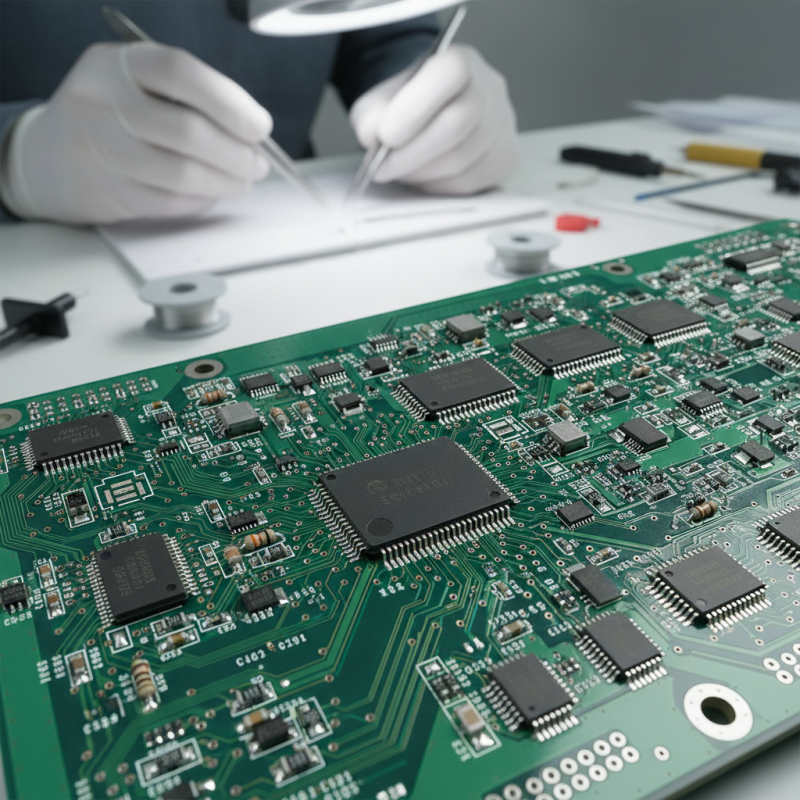
Printed Circuit Assembly (PCA) is crucial for modern electronics. Understanding the basics can help you navigate this complex field. PCA involves assembling electronic components onto a PCB (printed circuit board). The process can be intricate, and small mistakes can lead to failures.
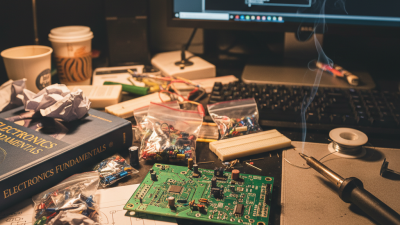
When preparing for PCA, ensure your design is robust. Use software tools for precise layouts. Check for errors in the design phase. A simple misalignment can cause significant issues later. Keep your workspace organized. Clutter can lead to misplaced components or mistakes in assembly.
Here are some tips for effective PCA. Always practice proper soldering techniques. Poor solder joints can create unreliable connections. Keep soldering irons clean and well-maintained. Use an appropriate temperature to avoid damaging components. Additionally, don’t rush the assembly process. Take your time to ensure accuracy. Small mistakes often arise from haste, so be mindful.
Key Materials Used in Printed Circuit Assembly
In printed circuit assembly (PCA), selecting the right materials is crucial for ensuring optimal performance. A report from IPC indicates that nearly 45% of assembly failures can be traced back to material issues. This highlights the importance of using reliable components when building PCBs. Choices in substrates, solders, and coatings can significantly impact circuit functionality.
Common materials include FR-4, a versatile glass-reinforced epoxy laminate. Its dielectric properties make it a popular choice. However, FR-4 is not always ideal for high-frequency applications. In these cases, using materials like Rogers or Teflon can lead to better signal integrity. Unfortunately, these materials can be more expensive and harder to work with.
Connection methods also matter. Solder is the most widely used method, but it comes with challenges. Lead-free solder can create cold joints if not applied correctly. Recent studies suggest that the transition to lead-free solder has caused an increase in rework rates by up to 30%. This indicates the industry still grapples with finding the right balance between regulations and performance. Monitoring these aspects is essential for achieving a successful PCA process.
Best Printed Circuit Assembly Techniques
Step-by-Step Techniques for Effective PCB Soldering
When soldering a printed circuit board (PCB), precision is key. Start by preparing your workspace. A clean area minimizes errors. Ensure good lighting helps you see all components. According to the IPC, proper workspace setup can increase efficiency by 30%.
Temperature control is crucial. Use a soldering iron that reaches the right temperature quickly. This helps avoid overheating and damaging components. The ideal range is usually 350°C for most solder materials. It's surprising how many overlook this detail. Improper temperatures can lead to cold joints or burnt pads.
Pay attention to soldering technique. Use a steady hand and a stable grip. The IPC reports that 20% of defects arise from poor soldering technique. Aim for a shiny joint with a nice fillet. Practice consistently; mistakes happen. Reflect on past projects to improve your skills. Building a solid foundation in soldering is necessary for successful PCB assembly.
Best Printed Circuit Assembly Techniques and Tips
| Technique |
Tip |
Tools Required |
Level of Difficulty |
| Reflow Soldering |
Ensure even heat distribution for uniform solder joints. |
Reflow oven, solder paste, PCB stencil |
Medium |
| Wave Soldering |
Clean the PCB to remove contaminants before soldering. |
Wave solder machine, flux, solder wire |
Medium |
| Hand Soldering |
Use a fine-tipped soldering iron for precision work. |
Soldering iron, solder, flux |
High |
| Selective Soldering |
Use this technique for mixed technology PCBs. |
Selective soldering machine, solder, flux |
Medium |
| Soldering with Lead-Free Materials |
Maintain a higher temperature due to higher melting points. |
Lead-free solder, soldering iron |
Medium |
Best Practices for Component Placement and Alignment
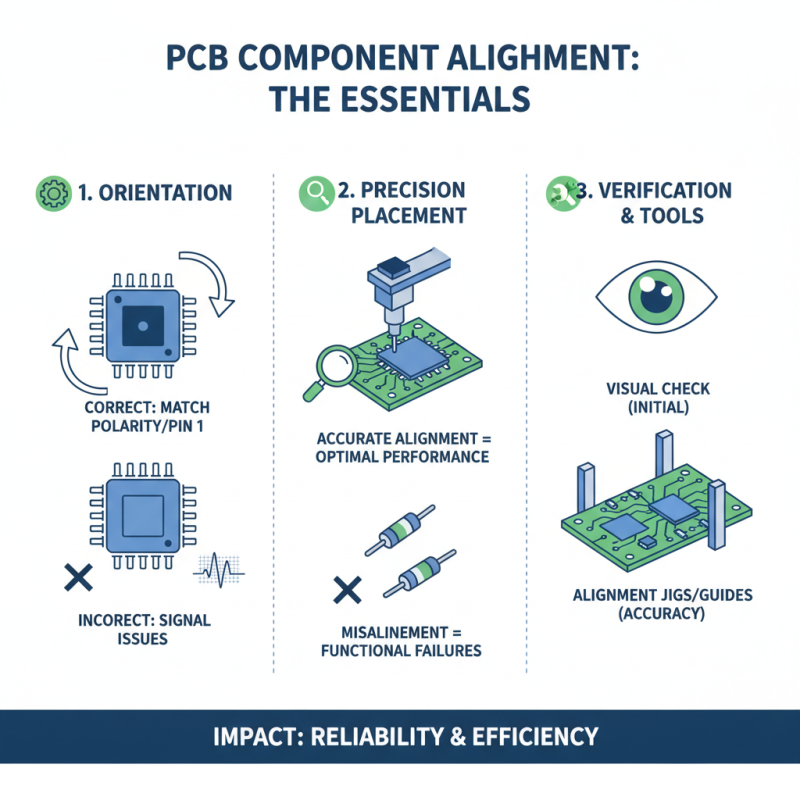
Component placement is crucial in printed circuit assembly (PCA). Accurate alignment directly impacts the circuit's performance. Begin by ensuring that components are oriented correctly. Misalignment can lead to signal integrity issues. A simple visual check often helps, but it’s not foolproof. Use tools like alignment jigs or guides to assist in the process.
Spacing between components matters too. Components that are too close can cause short circuits. This spacing depends on the type and size of components used. When placing larger components, consider their height. They can obstruct nearby elements, creating access challenges. Reflect on past placements where spacing caused issues. Embrace lessons learned to improve future designs.
Lastly, document your processes. Sometimes, human error leads to incorrect placements. Keeping detailed records can highlight recurring mistakes. You may find trends that need addressing. Regularly review placement practices. Strive for improvement, even if it feels tedious. Every component counts in creating a reliable circuit. Aim for precision in every assembly.
Common Troubleshooting Tips for PCB Assembly Issues
When troubleshooting PCB assembly issues, attention to detail is crucial. Inspect solder joints closely. A poor solder joint can lead to intermittent connections. Look for cold solder or bridges between pads. These flaws are common but often overlooked. A magnifying tool can help spot these small issues.
Cleaning is another key factor. Dust and moisture can affect performance. Ensure that the workspace is clean before assembly. A quick wipe down can make a difference. It’s easy to overlook this, yet it’s essential. Review the assembly process regularly. Sometimes small mistakes can have significant implications later.
Don't forget about component alignment. Misaligned components can cause functionality problems. Double-check placements before soldering. It’s a simple step that can save time in the long run. If there are frequent errors, consider revisiting the design process. Reflecting on these steps can lead to improvement in the overall assembly quality.