Let Us Know How We Can Help. We Are Your Dedicated Solutions Provider.

Top 10 Benefits of Circuit Board Assembly for Modern Electronics?
The landscape of modern electronics is constantly evolving, fundamentally shaped by advancements in circuit board assembly. According to industry reports, the global PCB market is expected to reach over $100 billion by 2025, reflecting a continuous demand for efficient assembly processes. This growth is driven by the increasing complexity of electronic devices, where precise circuit board assembly is crucial.
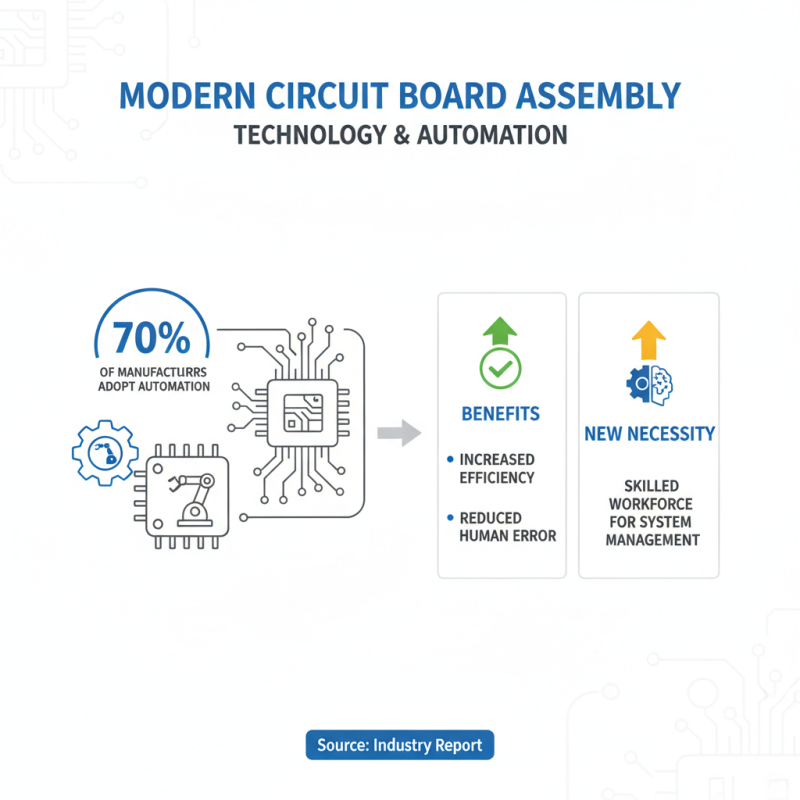
Companies are leveraging innovative assembly techniques to enhance product functionality and reduce costs. For instance, automated assembly processes improve production speed and accuracy. Yet, this shift also raises concerns about quality control and potential shortages of skilled labor. Balancing speed and quality remains a significant challenge for manufacturers.
As the electronics sector expands, circuit board assembly plays a pivotal role in enabling new technologies. High-quality assembly ensures reliable performance in everything from smartphones to medical devices. The need for continuous improvement in assembly practices is evident, as businesses strive to maintain competitiveness in this dynamic environment.
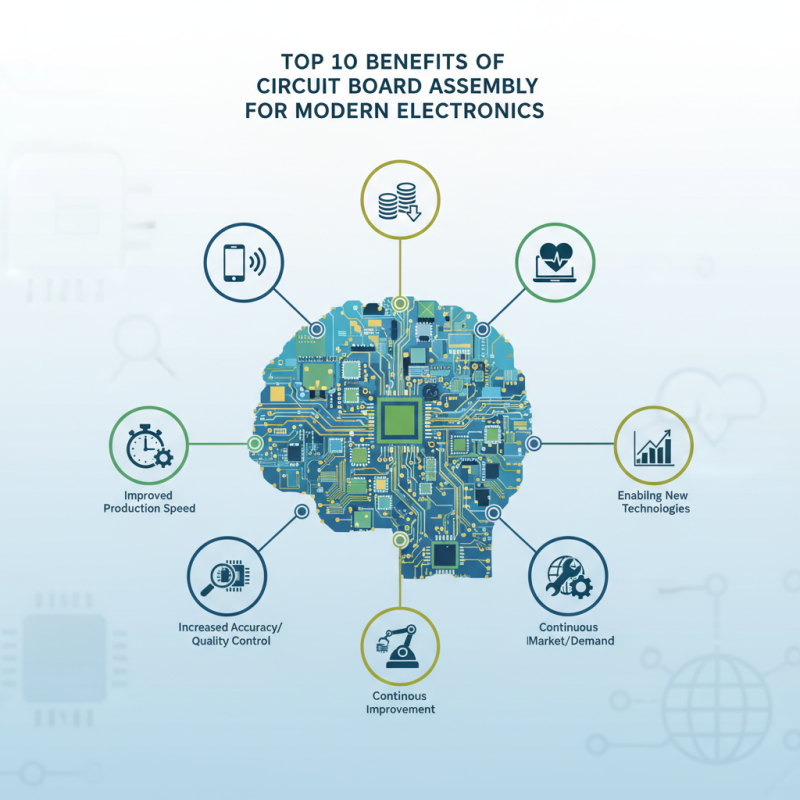
Table of Contents
[Hide]
Advantages of Streamlined Production Processes in Circuit Board Assembly
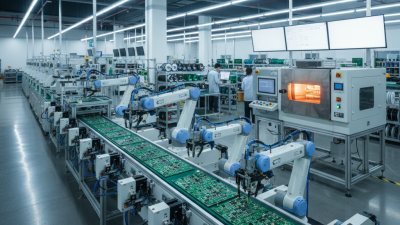
Streamlined production processes in circuit board assembly offer numerous benefits for modern electronics. Efficiency is significantly improved. Automated systems reduce human error and speed up assembly. This means faster turnaround times for products. Companies can respond quickly to market demands. With quicker assembly, they can launch products sooner.
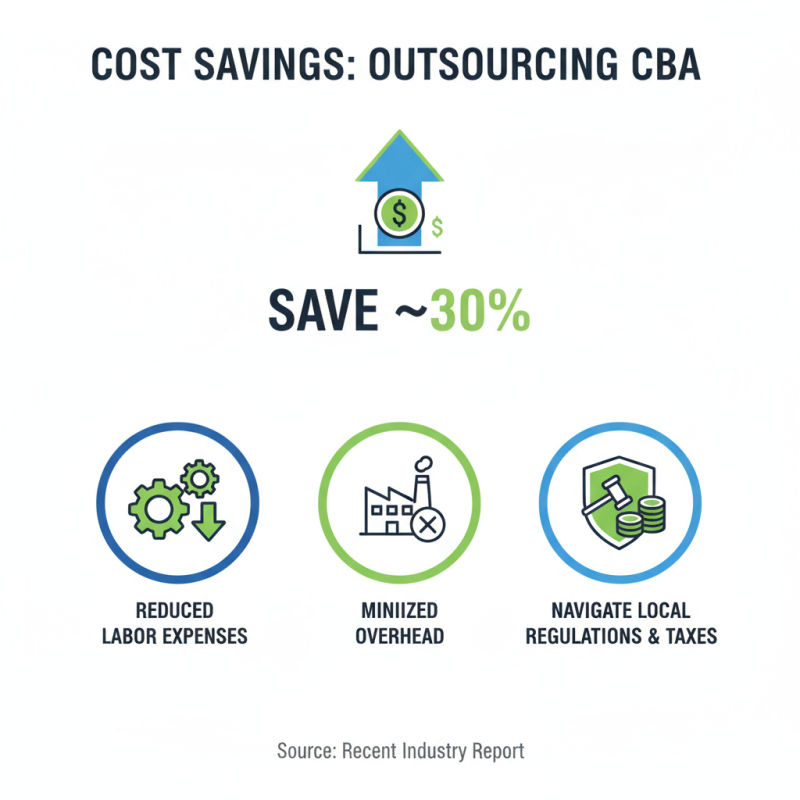
Additionally, streamlined processes lower costs. Production waste is minimized. This helps maintain budget constraints. Fewer mistakes lead to less rework, which can be costly. However, achieving this can be challenging. Organizations may need to invest in new technology. Old methods might be deeply ingrained, making change difficult.
Quality also benefits from smoother processes. Tighter controls ensure each board meets standards. Consistent quality is essential for device reliability. Yet, companies must be vigilant. Over-reliance on automation could overlook potential defects. Regular assessments are necessary to maintain high standards. Balancing efficiency and craftsmanship is key.
Top 10 Benefits of Circuit Board Assembly for Modern Electronics
| Benefit | Description | Impact |
|---|---|---|
| Cost Efficiency | Reduced labor and material costs through streamlined processes. | Higher profit margins for manufacturers. |
| Increased Throughput | Faster production cycles enable higher output. | Ability to meet market demands promptly. |
| Quality Control | Enhanced testing and inspection techniques ensure high standards. | Reduced defect rates and increased customer satisfaction. |
| Design Flexibility | Ability to adapt designs quickly to meet demands. | Faster time to market for new products. |
| Scalability | Easier to scale production for increasing volume requirements. | Efficient expansion in response to market growth. |
| Innovative Technologies | Integration of advanced manufacturing techniques and materials. | Enhanced performance of electronic devices. |
| Automation | Use of automated systems to increase precision. | Reduced labor costs and improved accuracy in assembly. |
| Sustainability | Efforts to reduce waste and improve recycling processes. | Positive environmental impact and brand image. |
| Enhanced Collaboration | Improved communication among design and production teams. | Faster resolution of issues and more innovative solutions. |
| Global Sourcing | Leverage of global suppliers for cost-effective materials. | Cost savings and diversified supply chains. |
Related Posts
-
Maximizing Efficiency in PCB Assembly Through Advanced Automation Techniques for 2024
-
How to Choose the Right Electronic Board Assembly Process for Your Project
-
2025 Guide: How to Master Circuit Board Design for Beginners
-

Top 10 Tips for Effective Circuit Board Design Strategies?
-
Ultimate Guide to PCB Design and Assembly Best Practices for Beginners
-
Exploring the Evolution of PCB Fabrication: From Concept to Reality in Modern Electronics