What is an Auto Belt Tensioner and How Does It Work?
The Auto Belt Tensioner is a crucial component in modern automotive engines. It plays a vital role in maintaining the proper tension of the serpentine belt, which drives multiple accessories like the alternator and power steering pump. According to a report by the Automotive Aftermarket Suppliers Association, around 60% of vehicle maintenance involves belts and tensioners. Failing to maintain these components can lead to costly repairs.
Over time, tensioners can wear out or become less effective. This can cause the belt to slip or even break, leading to engine performance issues. A study conducted by the Society of Automotive Engineers revealed that 30% of mechanical failures are attributed to belt and tensioner problems. Regular inspections are essential, as a failing Auto Belt Tensioner can impact the overall health of the engine.
Experts emphasize the importance of replacing worn-out tensioners promptly. Delaying this maintenance can result in further damage. While many car owners may overlook this part, understanding its function is critical. Many vehicles today rely on advanced tensioning technology, yet issues still arise. It's essential to continuously evaluate the condition of your Auto Belt Tensioner to ensure the longevity of your vehicle.
What Is an Auto Belt Tensioner?
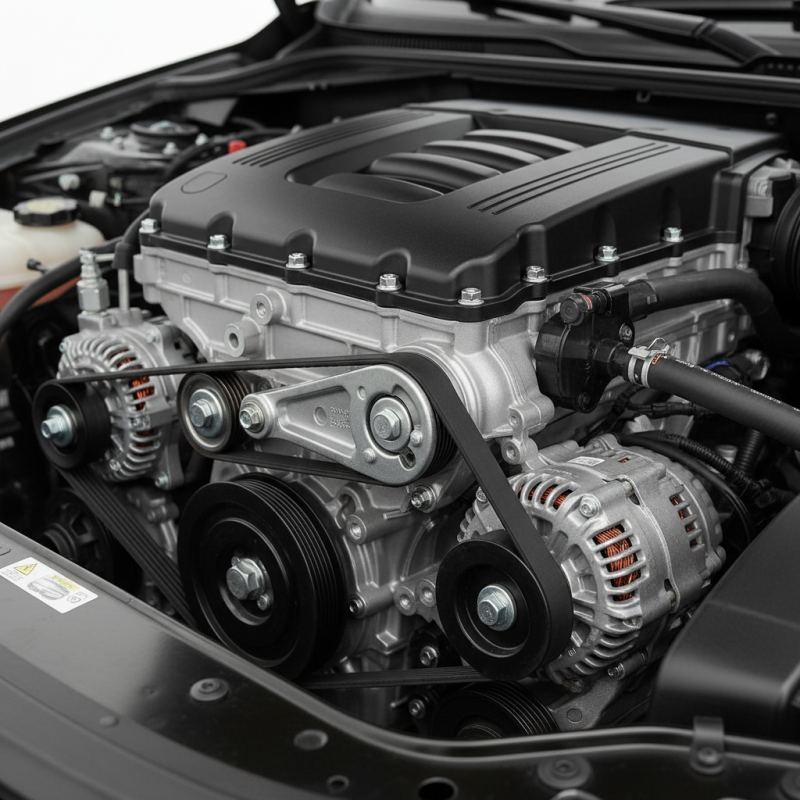
An auto belt tensioner is a crucial component in many vehicles. It helps maintain the correct tension on the serpentine belt. This belt plays a vital role in powering various engine accessories, like the alternator, water pump, and air conditioning compressor.
The tensioner uses a spring-loaded mechanism to adjust tension automatically. As the belt wears or stretches, the tensioner compensates for these changes. It ensures the engine runs efficiently without slippage. However, over time, the tensioner can wear out. This wear can lead to reduced performance or strange noises from the engine. Regular inspections are vital. Drivers should watch for signs of a failing tensioner, including a loose belt or squeaking sounds.
Proper installation and maintenance of the auto belt tensioner are crucial. Misalignment can cause premature wear and other issues. Understanding how this part functions can help car owners better care for their vehicles. In times of trouble, consulting a professional for advice is always wise.
The Importance of Proper Belt Tension
The proper tension of the belt in your vehicle is crucial for its performance. An auto belt tensioner ensures that the belt remains tight enough without being overly strained. This balance is vital for the longevity of engine components. When the belt is too loose, it can slip, causing noise and reduced efficiency. A belt that is too tight may wear out more quickly or cause damage to allied components.
Regular checks of the tensioner are wise. A visual inspection can reveal cracks or wear. If you notice fraying on the belt, it’s a sign the tension may be off. A problematic tensioner can lead to significant issues. Look for signs like unusual sounds or warning lights on your dashboard. Addressing these issues early can save money on repairs later.
Tips for maintaining the right belt tension:
- Routinely check the tensioner’s spring for signs of wear.
- Keep an eye on the belt’s condition. A worn-out belt needs replacing.
- Listen for any unusual noises from the engine. They often indicate problems with the tensioner or belt.
How an Auto Belt Tensioner Works Mechanically
An auto belt tensioner is a crucial component in your vehicle’s engine system. It maintains the proper tension on the serpentine belt that powers various engine accessories. These can include the alternator, power steering pump, and air conditioning compressor. A well-functioning tensioner ensures all these components operate smoothly and efficiently.
Mechanically, an auto belt tensioner typically features a spring-loaded pulley. It automatically adjusts to changes in belt tension caused by wear or engine load variations. As the serpentine belt stretches over time, the tensioner compensates for this by moving in line with the belt. The constant adjustments help prevent slippage and prolong the life of the belt and its associated components.
Tip: Regularly inspect your belt and tensioner. Look for signs of wear, such as cracks or fraying in the belt. If you notice any issues, address them promptly to avoid potential engine damage.
Keep in mind that an auto belt tensioner can wear out itself. A malfunctioning tensioner can lead to belt slippage, noise, and ultimately engine failure. Replacement should be based on the vehicle’s maintenance schedule.
Tip: If you’re unsure about the tensioner’s condition, consult a professional mechanic. They can provide insights based on experience and expertise. Regular maintenance is always more cost-effective than dealing with emergencies later on.
Common Types of Auto Belt Tensioners
Auto belt tensioners are crucial for maintaining the proper tension in the vehicle's drive belts. Various types of these tensioners exist, each designed for specific applications. One common type is the spring-loaded tensioner, which uses a spring mechanism to maintain consistent tension. This tensioner can automatically adjust its position as the belt stretches over time, ensuring optimal performance.
Another type is the hydraulic tensioner. This utilizes hydraulic fluid to adjust tension dynamically, providing even greater precision and responsiveness. It adapts to changes in the engine's load and RPM, delivering smoother operation. However, hydraulic tensioners can be more complicated, leading to potential failure if not monitored.
Mechanical tensioners are less common but still in use. These rely on a manual adjustment, requiring regular checks to ensure proper belt tightness. This type offers simplicity but can lead to issues if the adjustments are neglected. Drivers should routinely inspect their tensioners to avoid performance drop-offs. Regular maintenance checks could prevent costly repairs and ensure a reliable driving experience.
Signs of a Failing Auto Belt Tensioner
An auto belt tensioner plays a crucial role in your vehicle's engine performance. It maintains the proper tension on the serpentine or timing belts, ensuring they operate smoothly. However, a failing auto belt tensioner can lead to several noticeable symptoms. Drivers should be aware of these signs to prevent costly engine damage.
One common indication of a failing tensioner is unusual noise. A squeaking or grinding sound often signifies that the tensioner is not maintaining proper tension. According to industry reports, approximately 70% of engine noise issues stem from belt tensioner problems. Another sign is belt slippage, which can cause the engine to run erratically. You might notice flickering dashboard lights or fluctuating engine RPM.
In advanced cases, you may experience belt wear or even breakage. A worn tensioner can lead to increased friction and premature belt failure. Data suggests that around 30% of belt-related failures could be traced back to malfunctioning tensioners. Ignoring these warning signs can result in extensive engine repairs, underscoring the importance of regular vehicle maintenance and timely inspections.
What is an Auto Belt Tensioner and How Does It Work? - Signs of a Failing Auto Belt Tensioner
| Dimension | Description |
| Function | Maintains proper tension on the serpentine belt to prevent slippage. |
| Components | Spring mechanism, pulley, and sometimes a tension indicator. |
| Common Signs of Failure | Unusual noises, slipping belt, and visible wear on the tensioner. |
| Replacement Interval | Typically every 50,000 to 100,000 miles or as specified by the manufacturer. |
| Cost of Replacement | Approximately $100 to $300 including parts and labor. |
| Impact of Failure | Can lead to engine overheating, alternator issues, or power steering failure. |