2026 Top Trends in Wire Harness Manufacturing Innovations and Technologies?
The wire harness manufacturing sector is evolving rapidly. Innovations in technology are reshaping how components are designed and produced. These changes promise greater efficiency and quality in assembly processes.
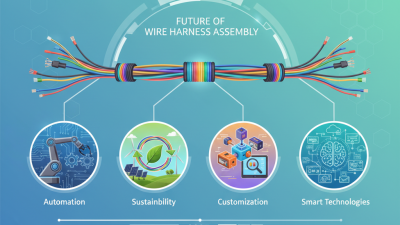
In 2026, trends emerge that highlight automation and smart manufacturing. Advanced robotics play a crucial role in streamlining production. However, there are challenges in adapting to these technologies. Sourcing skilled labor remains a significant hurdle.
Sustainability also takes center stage in wire harness manufacturing. Eco-friendly materials gain traction as companies seek to reduce waste. Yet, this shift raises questions about cost implications. As the industry moves forward, reflection on these trends becomes essential for sustained growth.
Emerging Materials in Wire Harness Manufacturing for 2026
As we gear up for 2026, the wire harness manufacturing industry is witnessing a shift towards innovative materials. Traditional copper wiring is slowly being replaced by lighter alternatives. Innovations in aluminum and other composite materials show promise. These emerging materials are not only lighter but also offer enhanced durability.
Industry reports indicate that the global demand for lightweight materials is expected to surge by 25% over the next five years. In addition, automotive manufacturers are focusing on sustainable materials. Biodegradable plastics are emerging as potential components in wire harnesses. However, the challenge remains in ensuring these materials can withstand extreme conditions.
Moreover, reports reveal that about 30% of manufacturers still rely on outdated processes. This reliance can hinder the adoption of new materials. Many engineers are reluctant to experiment, fearing performance losses. The path to innovation is not always clear. There is a pressing need for research and development to address these concerns and move the industry forward.
Automation Technologies Revolutionizing Wire Harness Production
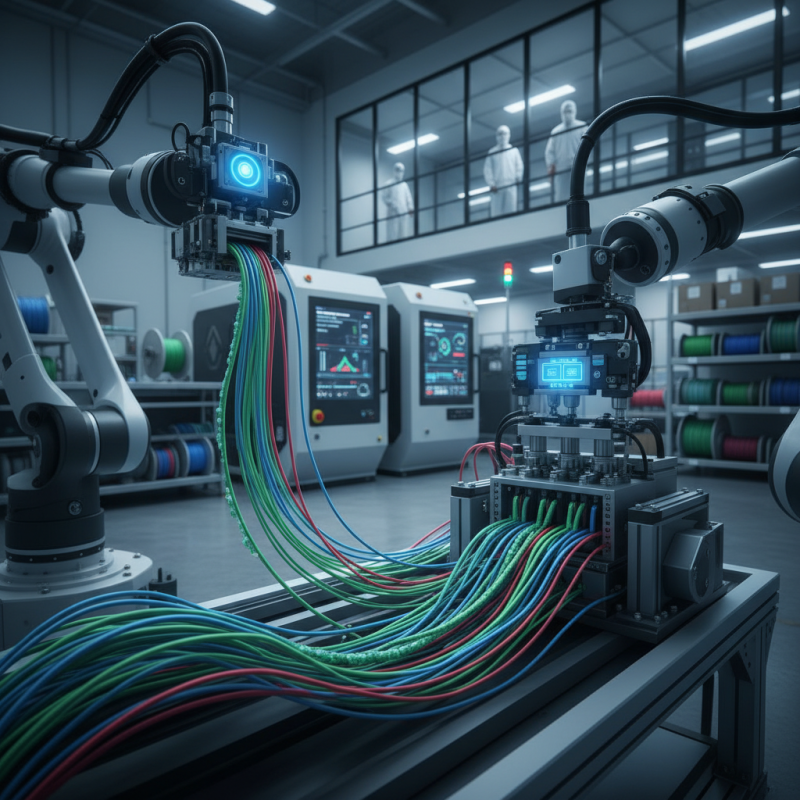
Automation technologies are transforming wire harness production in significant ways. New machinery can handle complex designs with precision. Automated systems reduce human error and improve efficiency. This reliance on technology streamlines the manufacturing process. However, it is not without challenges. Training staff to use new systems requires time and resources. Companies often struggle to keep pace with innovations.
The integration of robotics into production lines enhances speed and consistency. Automated wire cutting and crimping systems can work around the clock. This offers a significant boost in output. Yet, the high initial investment in automation technology raises concerns. Smaller companies may find it difficult to afford these upgrades.
Moreover, maintaining automated systems can sometimes be problematic. Issues like software glitches or hardware malfunctions may arise. This requires ongoing support and can disrupt production. Therefore, while automation offers immense benefits, it is crucial to weigh these factors. Balancing cost, efficiency, and employee training is essential for future growth.
2026 Top Trends in Wire Harness Manufacturing Innovations and Technologies
| Trend |
Description |
Impact |
Implementation Year |
| Smart Manufacturing |
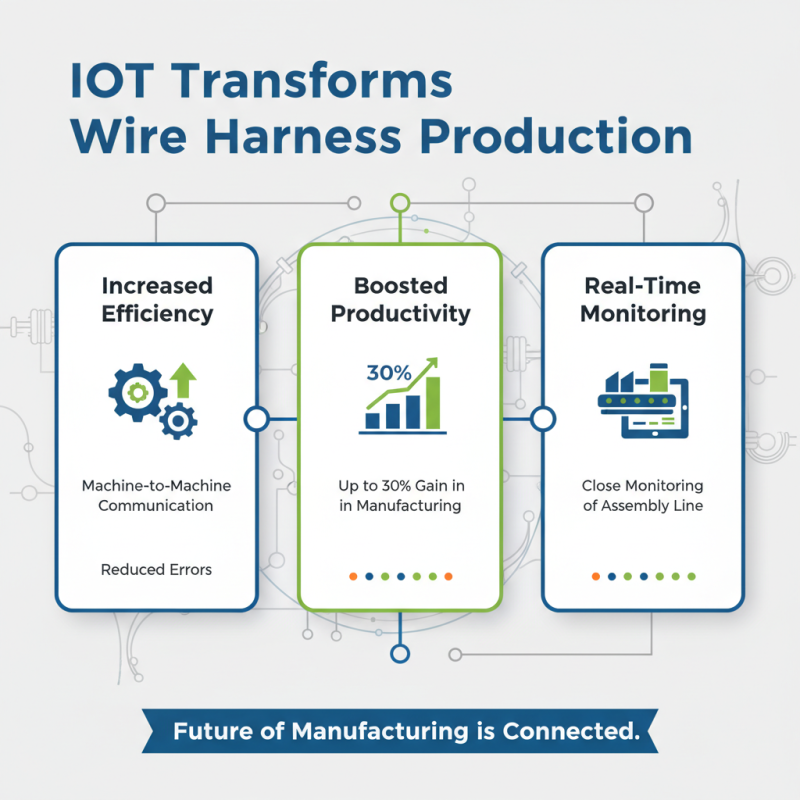
Integration of IoT and AI for real-time monitoring and quality control. |
Increased efficiency and reduced waste. |
2026 |
| Flexible Manufacturing Systems |
Systems that allow rapid changeovers for different wire harness designs. |
Improved adaptability to market demands. |
2026 |
| 5G Connectivity |
Utilization of 5G networks for enhanced device communication. |
Faster data transfer and improved operational efficiency. |
2026 |
| Robotics and Automation |
Increased use of robotic systems for assembly and inspection. |
Higher precision and reduced labor costs. |
2026 |
| Sustainable Materials |
Development of eco-friendly materials for wire harnesses. |
Reduced environmental impact and compliance with regulations. |
2026 |
Sustainability Trends Shaping the Future of Wire Harness Industries
Sustainability is more than a trend; it’s a necessity in wire harness manufacturing. The industry faces pressure to reduce waste. Innovative materials are being researched. Biodegradable plastics and recycled metals are gaining traction. These materials can cut environmental footprints significantly. Manufacturers are now prioritizing eco-friendly solutions.
The focus is not just on materials, but also on processes. Energy-efficient technologies are being implemented. For example, companies are adopting lean manufacturing techniques. These methods minimize waste and maximize efficiency. However, transitioning to sustainable practices isn't easy. Challenges remain in sourcing materials and redesigning processes. Old machinery often hinders progress.
Another important aspect is end-of-life management. Manufacturers need clear plans for disposal and recycling. Awareness is growing, but many companies struggle with execution. There's confusion about regulations and industry standards. It's crucial to engage in continuous learning. Innovations are not just about products; they also involve improving operational practices. Investing in sustainability can shape a better future for the industry.
Advanced Testing Methods Enhancing Quality Control in Manufacturing
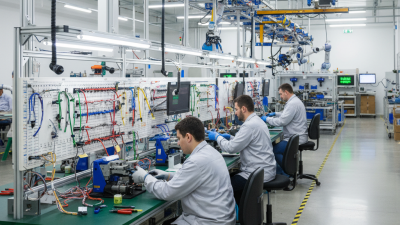
In the world of wire harness manufacturing, quality control remains a critical focus. Advanced testing methods play a key role in enhancing production standards. Real-time monitoring systems now provide actionable insights. These technologies check for defects as assemblies progress. This approach minimizes errors and reduces waste.
Automated visual inspections have gained popularity. They use cameras and AI to detect issues early. However, imperfections can still slip through. Human oversight often remains necessary. Balancing automation with human expertise is vital. It ensures that quality standards are truly met.
Another emerging method is electrical testing. This technique evaluates the performance and reliability of wire harnesses. It can identify flaws that affect functionality. Yet, the complexity of designs presents challenges. As technologies evolve, staying adaptable is crucial. Innovating testing methods can significantly improve quality control in manufacturing. This field may still need to address gaps in efficiency and precision.