2026 Top Chicken Layer Cage Types and Prices for Buyers
Choosing a Chicken Layer Cage in 2026 means balancing flock capacity, labor needs, durability, and the realities of daily care. Buyers will encounter conventional cage systems, enriched designs, and automated options, each with different space requirements and equipment features. Prices vary. A low quoted price may exclude installation, shipping, drinker lines, or manure handling. Those details can change the real investment.
Animal-welfare expert Temple Grandin has said, “I think using animals for food is an ethical thing to do, but we have to do it right.” Her words offer a useful reminder: equipment should be assessed not only by its price, but also by how it supports bird care and consistent management. A cage layout that looks efficient on a brochure may feel different when workers clean it, inspect birds, or respond to a fault. Small details matter.
This guide compares common Chicken Layer Cage types and explains the main factors shaping 2026 prices. It considers cage capacity, materials, automation, installation, and ongoing maintenance, so buyers can ask suppliers more precise questions. Exact costs depend on location, specifications, and project scale; without those details, a single price can mislead. And honestly, choosing the cheapest system is not always a mistake—but it deserves careful scrutiny.
What Layer Cages Are and How They Are Used
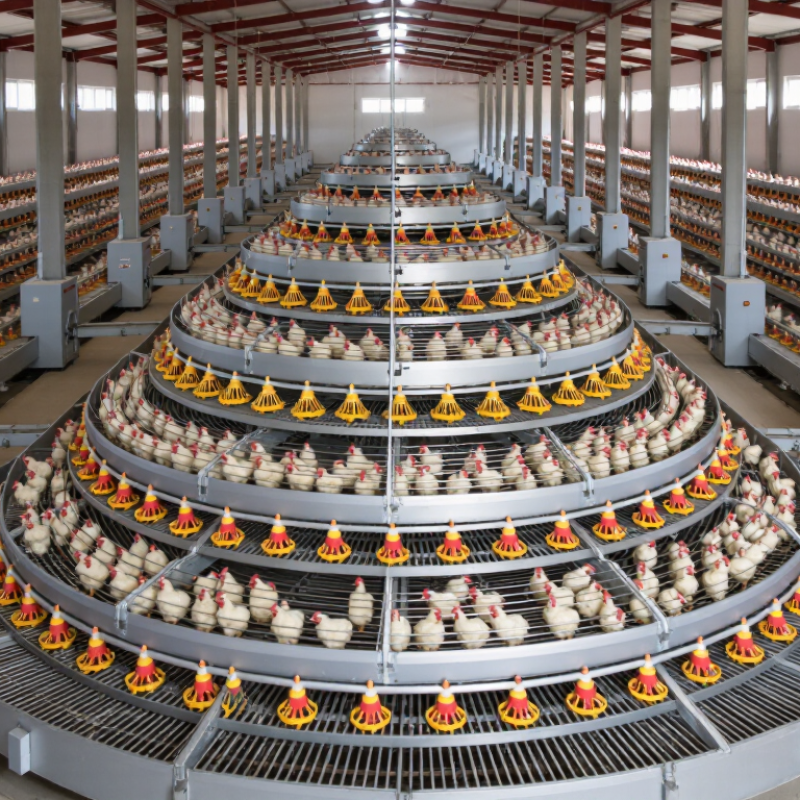
Layer cages are modular wire enclosures designed to house laying hens with access to feed, water, and egg collection. In many systems, sloped floors move eggs onto a belt, while manure belts help remove waste. Workers inspect drinker lines, remove cracked eggs, and monitor flock behavior daily. A cage is equipment, not a management plan.
Scale matters. FAOSTAT reports that more than 90 million tonnes of hen eggs in shell were produced worldwide in 2022. Reliable daily handling matters at that scale. Yet output also depends on ventilation, nutrition, hygiene, and attentive labor. EFSA’s 2023 scientific opinion on laying-hen welfare discusses restricted movement and nesting behavior in cage systems. Buyers should compare usable space, system features such as nest and perch provisions, and cleaning access. Check current local requirements with qualified advisers. A cheaper unit can become costly if belt alignment or water pressure is inconsistent.
Tips: Ask for a working demonstration before ordering. Watch eggs move along the belt, test drinker flow at the far end, and inspect corners where manure may collect. Not just price. Verify supplier capacity claims against your flock size and daily routines.
Main Types of Chicken Layer Cages in 2026
Layer cages generally fall into three groups: conventional cages, enriched cages, and colony cages. Conventional units use compact wire compartments, feed troughs, and drinker lines. They can simplify egg collection, but provide fewer opportunities for nesting, perching, and scratching. Enriched cages add nest areas, perches, and litter. Colony systems use similar features for larger groups, making feeder access and inspection routes especially important.
Specifications need careful checking. Council Directive 1999/74/EC sets an enriched-cage minimum of 750 square centimetres per hen, including at least 600 square centimetres of usable area. This is a regional standard, not a universal design rule. EFSA’s 2023 scientific opinion on laying-hen welfare also identifies restricted movement and limited behavioral opportunities as important concerns in cage systems. A useful comparison should include usable area, perch length, nest access, and litter provision—not only the advertised cage footprint.
A-frame and H-frame describe equipment layouts, rather than separate cage types. The distinction matters when estimating building space, manure-belt access, and labor routes. One caveat: a spacious drawing can still conceal crowded feeder positions or poor ventilation. Buyers should compare the installed layout with the flock size and daily inspection plan.
2026 Top Chicken Layer Cage Types and Prices for Buyers - Main Types of Chicken Layer Cages in 2026 | Layer Cage Type | Typical Configuration | Indicative 2026 Price (USD) | Typical Features | Best Suited For |
| A-Type, Manual | Usually 3–4 tiers; manual egg collection and manure removal. Module dimensions and bird capacity vary by design. | $3–$6 per bird place | Basic galvanized-wire cages, feed troughs, and drinker lines. Lower equipment complexity; more routine labor is needed. | Small or developing farms seeking a lower initial equipment cost. |
| A-Type, Semi-Automatic | Commonly 3–4 tiers, with selected tasks such as egg transfer or manure removal mechanized. | $5–$9 per bird place | Combines a relatively simple cage layout with some conveyor or belt equipment. Labor savings depend on the level of automation. | Medium-sized farms upgrading from manual handling. |
| A-Type, Fully Automatic | Typically multi-tier rows with automated feeding, egg collection, and manure belts. | $7–$12 per bird place | Automated equipment can reduce daily handling labor. Requires dependable power, regular maintenance, and suitable building layout. | Commercial farms that prefer an A-type layout and need higher throughput. |
| H-Type, 3-Tier Automatic | Vertical row system with three cage tiers; exact module size and capacity depend on the manufacturer’s design. | $8–$14 per bird place | Uses building height efficiently and commonly incorporates automatic feeding, egg belts, and manure belts. | Commercial farms balancing house capacity, access, and automation. |
| H-Type, 4–5-Tier Automatic | Higher-density vertical layout with four or five tiers, designed around the house structure and service access. | $10–$18 per bird place | Can provide more bird places within a given floor area, but requires careful attention to ventilation, inspection access, and manure handling. | Large-scale operations with suitable building height and experienced management. |
| Enriched Colony Cage | Group housing with added features such as nests, perches, and scratching areas; layout and group size vary. | $12–$22 per bird place | Designed to provide more behavioral features than conventional cages. Requirements differ by jurisdiction; EU rules specify at least 750 cm² of cage area per hen, including at least 600 cm² of usable area. | Buyers needing enriched housing or planning for applicable animal-welfare requirements. |
| Price guidance: These are indicative 2026 budget-planning ranges, not supplier quotations. Prices are shown per bird place and can vary with order size, steel and wire specifications, automation level, country, freight, taxes, installation, and included equipment. Building construction and site preparation are generally excluded. Confirm local housing regulations and obtain a written quotation with a complete equipment scope before purchasing. |
Key Features That Distinguish Each Cage Type
2026 Top Chicken Layer Cage Types and Prices for Buyers
Key Features That Distinguish Each Cage Type
Cage names can be confusing: A-frame and H-frame describe layouts, while “enriched” describes housing features. Conventional cages generally use less equipment and floor space, which can reduce initial costs where they are permitted. They typically lack built-in nests, perches, and scratching areas. Enriched cages add these features, plus egg belts and service equipment, so buyers should compare installed cost per hen, not only the cage price. Small details matter.
The European Commission’s Directive 1999/74/EC sets enriched-cage space at 750 cm² per hen, including at least 600 cm² of usable area. This is a useful specification benchmark, not a universal design rule. EFSA’s 2023 scientific opinion on laying-hen welfare also assesses access to nests, perches, and litter as important housing provisions. In practical terms, A-frame rows can offer straightforward inspection access; H-frame systems stack tiers vertically and can use building footprint more intensively. More tiers may mean more complex maintenance. Compare manure-belt access, ventilation around upper levels, drinker placement, and replacement-part availability. Ask suppliers for a layout drawing and a written equipment list. Prices vary with automation, building dimensions, and local installation costs. A quotation can look low until those items are added.
Typical Layer Cage Prices and Factors That Affect Cost
Typical layer cage prices are often quoted per bird place, not per complete farm. As a rough planning range, basic manual or semi-automatic systems may cost about US$8–15 per place. More automated, multi-tier systems can reach US$15–30 or more. Prices vary widely. These estimates may exclude freight, installation, building work, and electrical equipment, so compare the quotation scope before comparing totals.
Several details move the price. A heavier galvanized wire specification can raise the initial cost but may better withstand years of cleaning and use. Extra tiers, stronger frames, manure belts, automatic egg collection, feed distribution, and nipple drinkers also add cost. Small details matter. Ask for the cage dimensions, bird capacity, metal specifications, and included components in writing. Regional steel prices, order size, shipping distance, and currency changes can shift a quote noticeably.
I would not treat a low per-place figure as a final budget. A system with basic cages may need separate equipment or more labor, while automation can reduce daily handling but requires maintenance. That trade-off is easy to underestimate. Request an itemized quote and confirm whether taxes, spare parts, and on-site setup are included. Compare the expected service life, not only the purchase price.
2026 Top Chicken Layer Cage Types and Typical Prices
Indicative equipment-only budget ranges in USD per bird place
Conventional A-frame systems generally have the lowest equipment cost, while enriched and colony systems typically cost more because of their added space and features. Actual prices depend on cage capacity, materials, automation, order size, freight, local regulations, and installation. These planning estimates exclude shipping, installation, and other farm infrastructure.
How Buyers Can Compare Options and Choose a Suitable Cage
Compare cage types by usable capacity, access for inspection, and the work required to clean and maintain them. A-frame layouts can suit simpler buildings, while H-frame systems often support denser, automated installations. Enriched cages add features such as perches and nesting areas, but require careful checks of usable space and equipment access. Small details matter. Ask suppliers to quote the same capacity and scope: cage units, feeding and drinking lines, manure belts, installation, and transport. Compare the price per installed hen place, not just the price per cage.
Also assess operating costs. The FAO’s Poultry Development Review (2013) reports that feed commonly accounts for 60–70% of poultry production costs, although the share varies by context. Cage choice cannot reduce feed costs by itself, but reliable drinkers, easy inspection, and fewer interruptions can support day-to-day management. Request clear specifications for wire gauge, corrosion protection, warranty, and replacement parts. Then check the layout against the building’s actual width, ventilation, and service access. It is tempting to choose the lowest quote. That comparison can be misleading when installation or manure handling is excluded. Prices vary by region and project scope, so treat online figures as early estimates, not confirmed project costs.